Table of Contents
Beauty social media marketing is changing quickly.
In 2026, beauty brands are no longer competing simply for likes, followers, or polished Instagram feeds. Consumers are discovering products through creators, TikTok videos, Reddit conversations, social commerce, customer reviews, AI-powered search, and personalized recommendations.
The result is a major shift in how beauty brands need to approach content.
A product launch can start with a creator video, gain traction through user-generated content, move into social commerce, appear in AI-generated recommendations, and ultimately convert through an ecommerce product page.
That means social media is no longer just a brand-awareness channel.
For beauty brands, social media is becoming part of the entire customer journey—from discovery and education to trust and purchase.
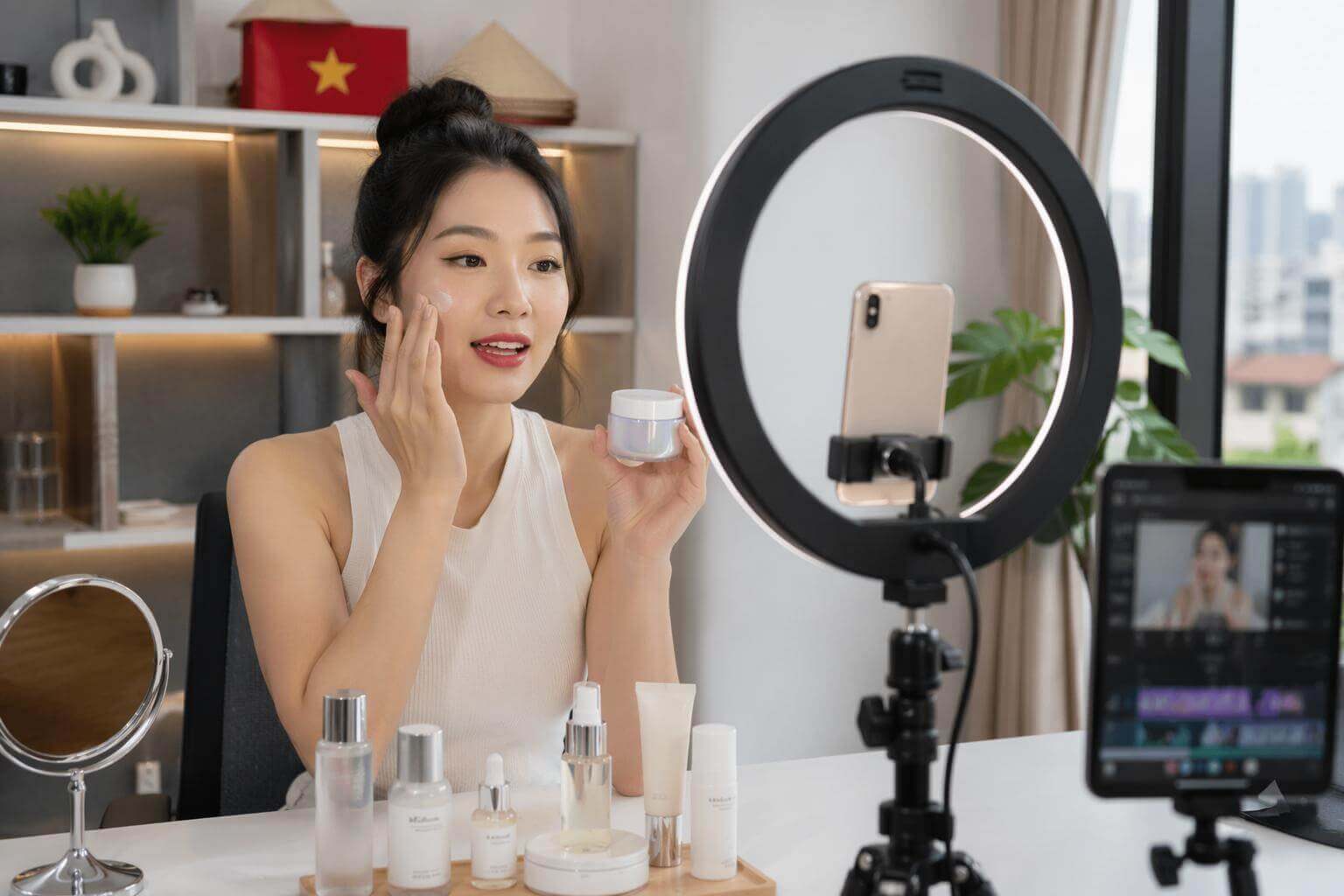
According to recent 2026 beauty-industry research, social commerce, creator content, AI-driven discovery, video, UGC, and richer product experiences are increasingly shaping how consumers discover and purchase beauty products.
For beauty and cosmetics companies looking to grow in 2026, the challenge is no longer simply creating more content.
The challenge is creating the right content, for the right audience, on the right platform, at the right stage of the buying journey.
Why Social Media Is So Important for Beauty Brands in 2026
Beauty is inherently visual.
Consumers want to see:
- How a product looks
- How it is applied
- How it performs
- How it works on different skin types
- What the texture looks like
- How shades appear on real people
- How customers use it in their routines
- Whether other people actually recommend it
That makes social media particularly powerful for beauty brands.
A traditional advertisement might tell someone that a foundation provides long-lasting coverage. A 20-second creator video can show the foundation being applied, demonstrate the finish, compare shades, and answer common questions.
That difference matters.
Beauty consumers increasingly expect brands to provide content that is useful, demonstrative, relatable, and authentic rather than relying exclusively on polished advertising.
Recent consumer research also indicates that customer reviews can be at least as influential as influencer content during beauty purchasing decisions, reinforcing the importance of combining creator discovery with genuine customer experiences.
The Biggest Beauty Social Media Trends for 2026
1. Social Commerce Is Becoming a Core Beauty Sales Channel
Social platforms are increasingly functioning as shopping environments rather than places to publish content. Consumers can discover a product, watch a demonstration, read reviews, interact with creators, and purchase without following the traditional path of:
Social media → Google → Website → Product page → Checkout
Instead, the journey can happen largely inside the social ecosystem.
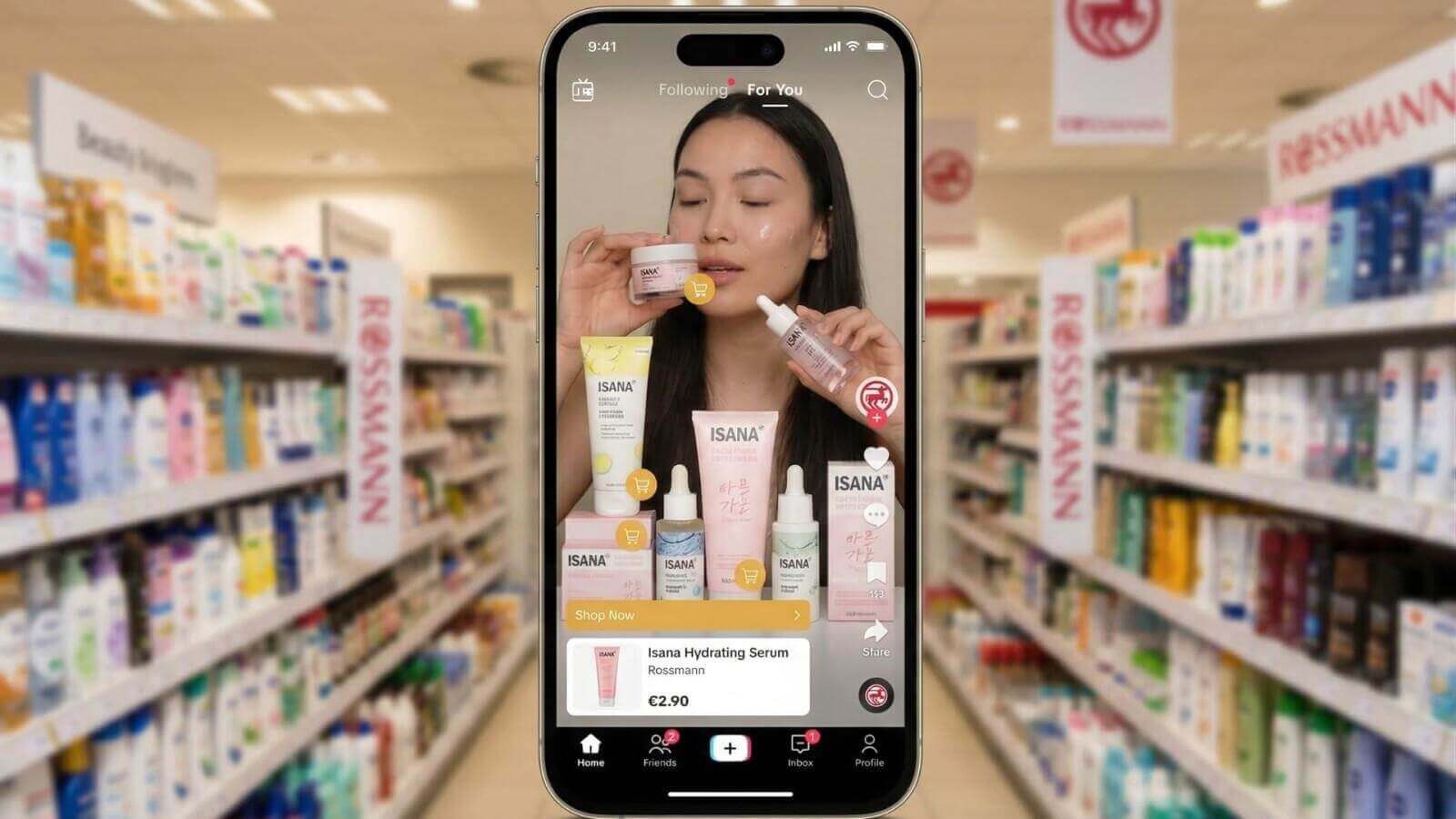
Ayatas own 2026 ecommerce research identifies social commerce as one of the major forces reshaping online buying behavior, with platforms such as Instagram, TikTok, Facebook, and WhatsApp increasingly connecting discovery and purchase.
For beauty brands, this creates an important opportunity. Your social content should not only generate engagement. It should also help customers make a purchase decision.
What should beauty brands do?
Build content around:
- Product demonstrations
- Tutorials
- Before-and-after content where appropriate
- Shade comparisons
- Ingredient education
- Customer testimonials
- Creator reviews
- Routine-based recommendations
- Product bundles
- Limited-time offers
The goal is to reduce the distance between “This looks interesting” and “I want to try it.”
For beauty brands selling directly online, social commerce should be connected to a broader Shopify eCommerce skincare products sales strategy, ensuring that social discovery leads to a fast, personalized shopping experience.
2. TikTok Is Moving From Discovery to Conversion
TikTok remains one of the most important platforms for beauty discovery and creator marketing. Recent 2026 industry data indicates that TikTok has overtaken Instagram in total earned media value for beauty influencer marketing, while YouTube continues to deliver strong value per post. This does not mean beauty brands should abandon Instagram.
It means each platform needs a different role.
TikTok
Use TikTok for:
- Product discovery
- Trends
- Tutorials
- Creator reviews
- Educational content
- Behind-the-scenes content
- Product demonstrations
- Problem/solution videos
- Community participation
Use Instagram for:
- Brand identity
- Reels
- Product education
- Creator partnerships
- Community engagement
- Stories
- Product launches
- Social proof
- Shopping
YouTube
Use YouTube for:
- Detailed product reviews
- Tutorials
- Long-form education
- Ingredient explanations
- Comparisons
- Skincare routines
- Expert interviews
Use Reddit differently.
Reddit is particularly valuable for understanding what consumers are actually discussing. Beauty conversations on Reddit in 2026 show growing interest in individual beauty journeys, experimentation, tutorials, and personal experiences rather than generic trend-driven content.
For brands, Reddit can therefore function as both a research platform and a community insight source.
3. Creator Marketing Is Becoming a Content Engine
Influencer marketing is evolving.
The old approach was:
Find a large influencer → Send product → Pay for post → Measure impressions.
The 2026 approach is increasingly:
Build a network of relevant creators → Generate authentic content → Test formats → Amplify winners → Turn content into a repeatable acquisition system.

Beauty brands are increasingly working with large numbers of creators rather than depending on a small group of celebrity influencers. One 2026 beauty creator report describes a shift toward large-scale creator seeding programs and long-term relationships with dermatologists and skincare experts.
This is important because different creators provide different forms of value.
A large creator may provide reach.
A micro-creator may provide trust.
A dermatologist may provide authority.
A customer may provide authenticity.
A makeup artist may provide expertise.
Your strategy should combine them.
4. Micro-Influencers Can Be More Valuable Than Follower Counts Suggest
A beauty creator with 20,000 highly relevant followers may be more valuable to a skincare brand than a celebrity with several million followers.
Why?
Because relevance matters.
A creator focused specifically on:
- Sensitive skin
- Acne-prone skin
- Mature skin
- Curly hair
- Clean beauty
- Korean skincare
- Makeup for deeper skin tones
- Fragrance
- Men’s grooming
May have an audience with a much stronger purchase intent.
Instead of asking:
“How many followers does this creator have?”
Ask:
“Does this creator influence the people who buy our product?”
That is a much better strategic question.
5. UGC Is Becoming Essential for Beauty Content Strategy
User-generated content has become one of the most valuable content formats for beauty brands.
Why?
Because consumers want evidence.
They want to see real people using real products.
UGC can include:
- Unboxing videos
- First impressions
- Tutorials
- Product reviews
- Routine videos
- Application demonstrations
- Results stories
- Customer testimonials
- “Get ready with me” videos
- Product comparisons
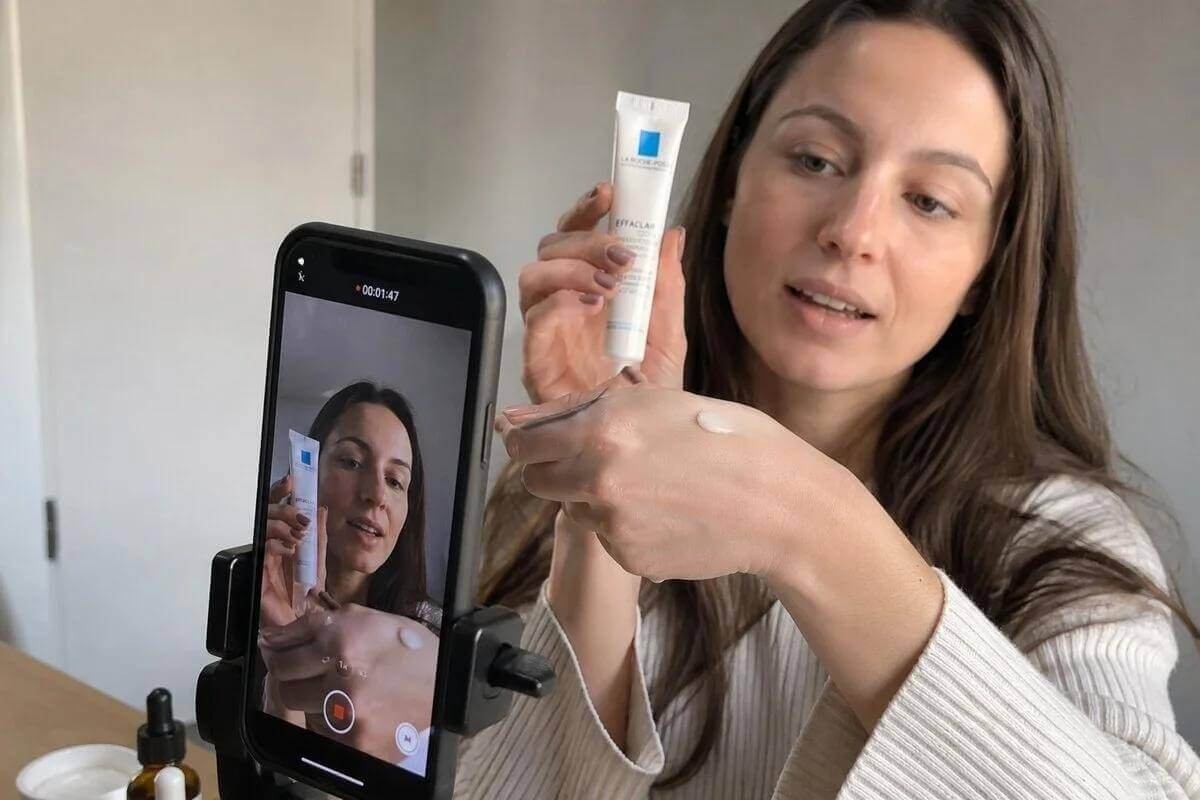
The strongest UGC often feels less like advertising and more like a recommendation from someone the viewer trusts. But brands should not confuse UGC with fabricated authenticity.
As AI-generated influencers and synthetic content become more common, transparency becomes increasingly important. Recent reporting has highlighted concerns around AI-generated beauty influencers and content that may appear to be genuine consumer experiences.
The lesson is simple:
Use AI to improve content production—but don’t sacrifice trust for scale.
6. Authenticity Is Becoming a Competitive Advantage
Highly polished content still has a place in beauty marketing. But consumers also want content that feels real.
That could mean showing:
- Product texture
- Imperfect application
- Real skin
- Real routines
- Customer experiences
- Product limitations
- Honest comparisons
- Behind-the-scenes development
- Founder stories
Beauty brands should not attempt to make every piece of content look like a luxury advertisement. Sometimes the video recorded on a phone performs better because it feels more natural. The objective isn’t to make your brand look less professional. It is to make your communication feel more human.
7. Educational Beauty Content Will Continue to Grow
Beauty consumers have more products and more information than ever.
That creates confusion.
What does an ingredient do?
Which product should someone use first?
Can two products be used together?
What is the difference between two formulations?
How much product should someone apply?
Educational content can answer these questions before the customer reaches checkout.
For example, a skincare brand could create a content series around:
“Skincare Ingredients Explained”
Episodes could cover:
- Retinol
- Vitamin C
- Niacinamide
- Hyaluronic acid
- Ceramides
- Salicylic acid
- Peptides
- AHAs
- BHAs
This type of content can build authority while creating a natural path toward relevant products.
8. Beauty Brands Need More Video, Not Just More Posts
Static product images still matter. But video gives beauty brands a major advantage because it can demonstrate products. A single product can generate dozens of video concepts.
For a foundation, for example:
Video 1: Shade comparison
Video 2: Application tutorial
Video 3: Coverage test
Video 4: Finish comparison
Video 5: Wear test
Video 6: Different lighting test
Video 7: Makeup artist review
Video 8: Customer review
Video 9: “Who is this foundation for?”
Video 10: “Three mistakes to avoid when applying foundation”
The opportunity isn’t simply to produce more videos.
It is to build a repeatable content system around every product.
9. Beauty Content Is Becoming More Personalized
Generic beauty marketing is becoming less effective. Consumers want recommendations that reflect their specific needs.
For example:
“Best moisturizer”
is less useful than:
“Best moisturizer for dry, sensitive skin during winter.”
Beauty brands can use personalization to organize both social content and ecommerce experiences.
Content can be organized around:
- Skin type
- Skin concern
- Age group
- Hair type
- Shade
- Lifestyle
- Climate
- Beauty goals
- Product preferences
This creates a stronger connection between content and purchase intent.
10. AI Is Changing Beauty Product Discovery
AI is becoming another layer in the beauty discovery journey. Consumers can increasingly ask AI systems questions such as:
“What’s a good moisturizer for sensitive skin?”
“What foundation works for dry skin?”
“What skincare routine should I use?”
“What are the best products for mature skin?”
That creates a new challenge for beauty brands.
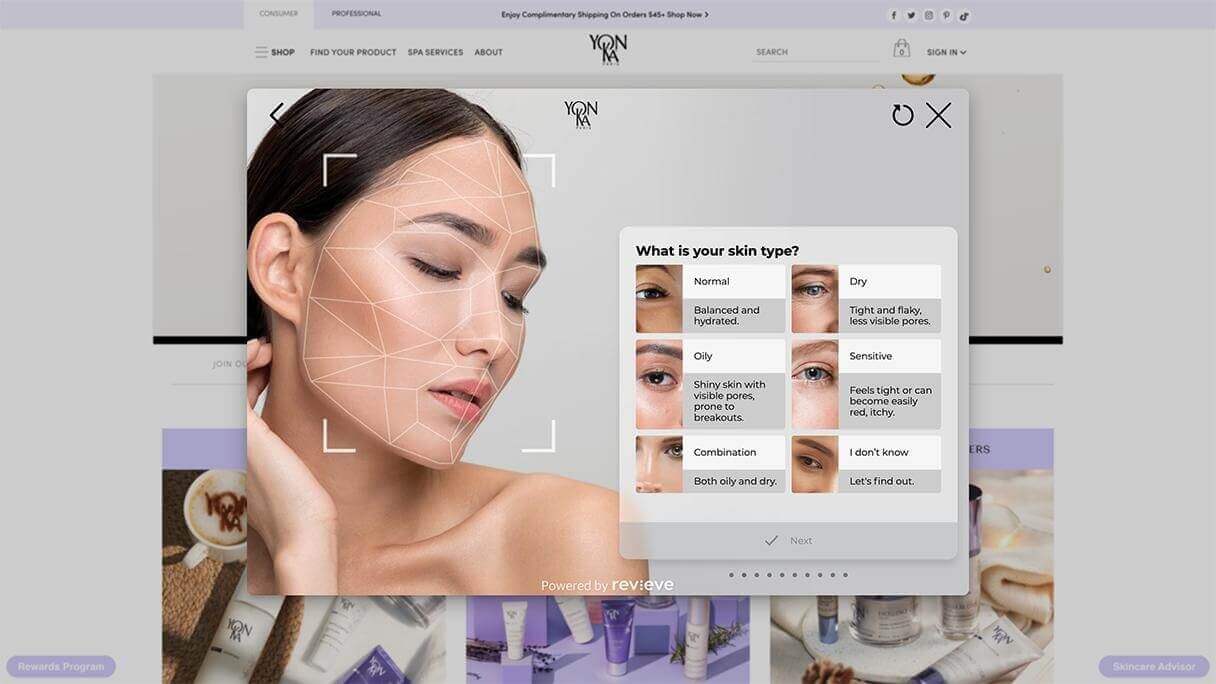
It is no longer enough to rank on traditional search engines. Brands increasingly need their product information and content to be discoverable across AI-powered experiences.
Current beauty-industry research identifies AI-driven product discovery and structured, machine-readable product information as important parts of the 2026 path to purchase.
This means beauty brands should think about building an AI-ready ecommerce store where social media content, product pages, reviews, expert content, and structured product information need to work together.
11. Social Content and Ecommerce Content Need to Work Together
One of the biggest mistakes beauty brands make is treating social media and ecommerce as separate marketing functions. They should work as one system.
Imagine someone sees a TikTok demonstrating your serum. They click through to your website. The product detail page should continue the same story. It should include:
- Product videos
- High-quality photography
- Ingredients
- Benefits
- Usage instructions
- Reviews
- FAQs
- UGC
- Related products
- Clear shipping information
- Easy checkout
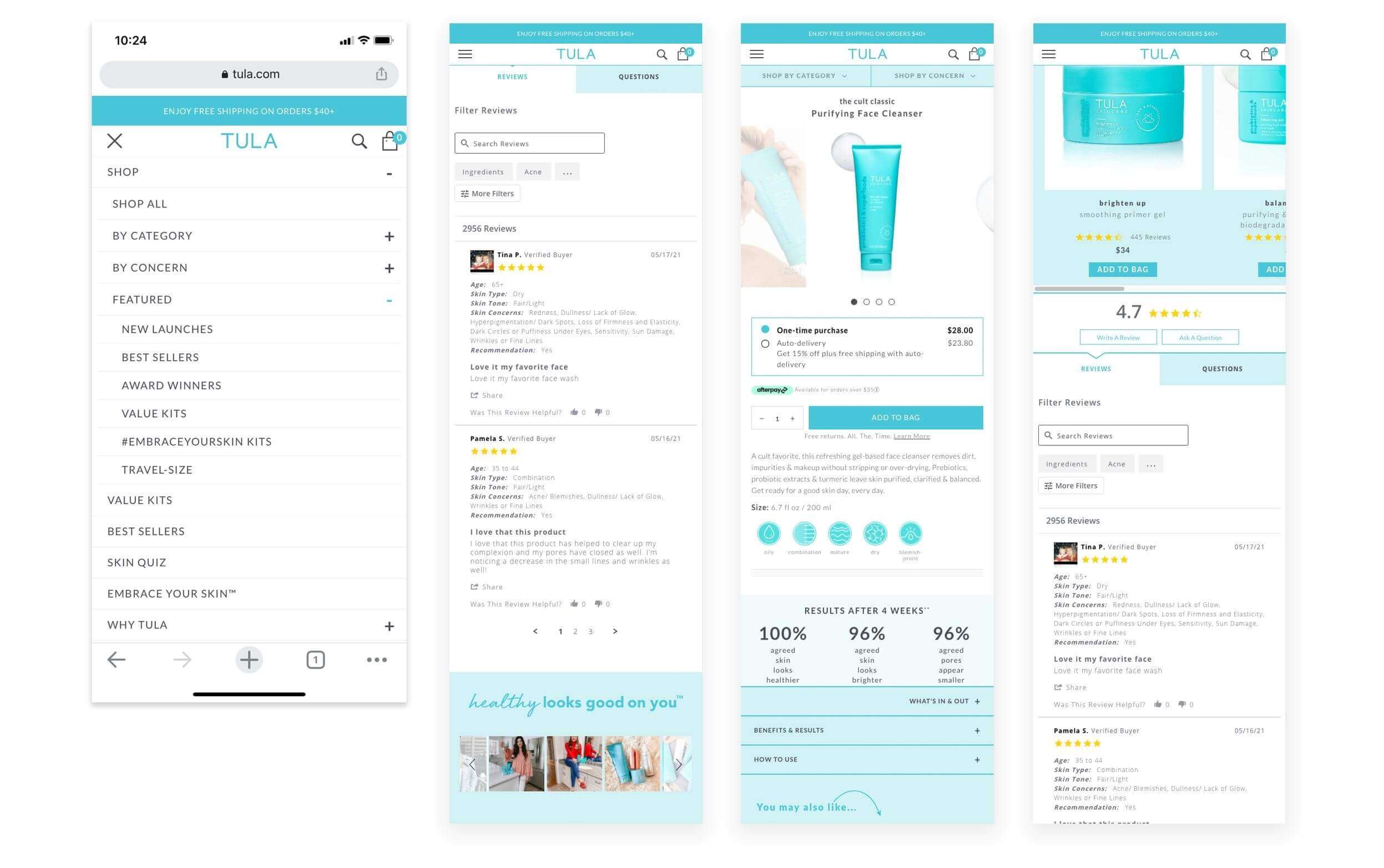
The transition from social media to ecommerce should feel seamless.
Ayatas’ ecommerce development capabilities specifically include beauty and cosmetics experiences with high-speed image loading, AI product quizzes, subscriptions, and social media shop integrations.
12. Reviews Are Becoming More Important Than Polished Influencer Content
Influencers are still highly valuable for discovery. But customer reviews can play a different role. Influencers may introduce a product. Customers help validate it. This creates a powerful sequence:
Creator discovers → Customer validates → Brand educates → Buyer converts.
A 2026 Allure survey of more than 142,000 readers found that customer reviews slightly outpaced influencer and celebrity video reviews as an influence on online beauty purchases.
Beauty brands should therefore actively encourage customers to share:
- Reviews
- Photos
- Videos
- Routines
- Results
- Application tips
And these assets should not remain buried in a review section.
Repurpose them across your social channels and product pages.
13. Beauty Communities Matter More Than Follower Counts
The strongest beauty brands are building communities—not just audiences. An audience consumes content. A community participates. That participation can include:
- Asking questions
- Sharing routines
- Posting results
- Reviewing products
- Recommending products
- Responding to other customers
- Participating in challenges
- Providing product feedback
This creates a feedback loop:
Content → Conversation → Community → UGC → Trust → Sales → More Content
That loop can become one of the strongest growth engines for a beauty brand.
14. Beauty Trends Are Moving Faster
Beauty trends can emerge and disappear quickly.
A trend may begin with:
- A creator
- A Reddit discussion
- A celebrity
- A makeup artist
- A cultural moment
- A product launch
- A new ingredient
- A viral routine
Brands therefore need an agile content strategy. Instead of planning every social post months in advance, leave room for reactive content.
A practical content mix could be:
60% evergreen educational content
20% community and UGC content
10% product-focused content
10% trend/reactive content
The exact percentages should vary by brand, but the principle is important: Don’t build your entire strategy around trends. Use trends to amplify an already strong content system.
How Beauty Brands Should Build Their 2026 Content Strategy
A strong beauty social media strategy should connect five elements:
Audience → Content → Platform → Commerce → Measurement

Step 1: Define Your Beauty Audience
Don’t simply target “women 18–45” or another broad demographic. Define audiences around actual beauty needs.
For example:
Audience: Women with sensitive skin
Problem: Difficulty finding gentle products
Content: Ingredient education + product demonstrations
Platform: TikTok + Instagram + Reddit
Conversion: Product quiz → personalized recommendation → ecommerce purchase
This is much more actionable than a broad demographic.
Step 2: Build Content Pillars
Beauty brands should establish a small number of repeatable content pillars.
A strong starting framework could include:
Education
Teach customers something useful.
Demonstration
Show how the product works.
Social Proof
Show customers and creators using the product.
Community
Encourage conversation and participation.
Brand Story
Show the people, values, and thinking behind the brand.
Product
Explain features, benefits, ingredients, and use cases.
Entertainment
Create content designed to capture attention and encourage sharing.
These pillars prevent the social feed from becoming a constant stream of product advertisements.
Step 3: Create a Content Engine Around Each Product
Instead of creating one launch campaign for a product, create an ongoing content ecosystem.
For every major product, develop:
Education
What problem does it solve?
Demonstration
How does it work?
Proof
What do customers say?
Comparison
How is it different?
Expertise
What do professionals say?
UGC
How are real customers using it?
FAQ
What questions do customers have?
Conversion
Why should someone buy it now?
This approach allows one product to generate content across TikTok, Instagram, YouTube, Pinterest, email, product pages, blogs, and AI-search-friendly content.
Step 4: Repurpose Content Across Platforms
A strong video shouldn’t live on only one platform.
For example:
One 10-minute expert interview
can become:
- 1 YouTube video
- 5 short-form videos
- 10 Instagram clips
- 5 TikTok videos
- 1 blog article
- 1 email
- 5 quote graphics
- Several FAQ answers
This significantly improves content efficiency.
Step 5: Connect Social Media to Your Ecommerce Strategy
Your social media strategy should have a clear path to commerce.
For example:
TikTok video
↓
Creator recommendation
↓
Product page
↓
Reviews + UGC
↓
Product quiz
↓
Personalized recommendation
↓
Checkout
The objective is not simply to generate views. It is to create a measurable customer journey.
What Beauty Brands Should Measure in 2026
Follower count is not enough.
Measure metrics that connect social activity to business outcomes.
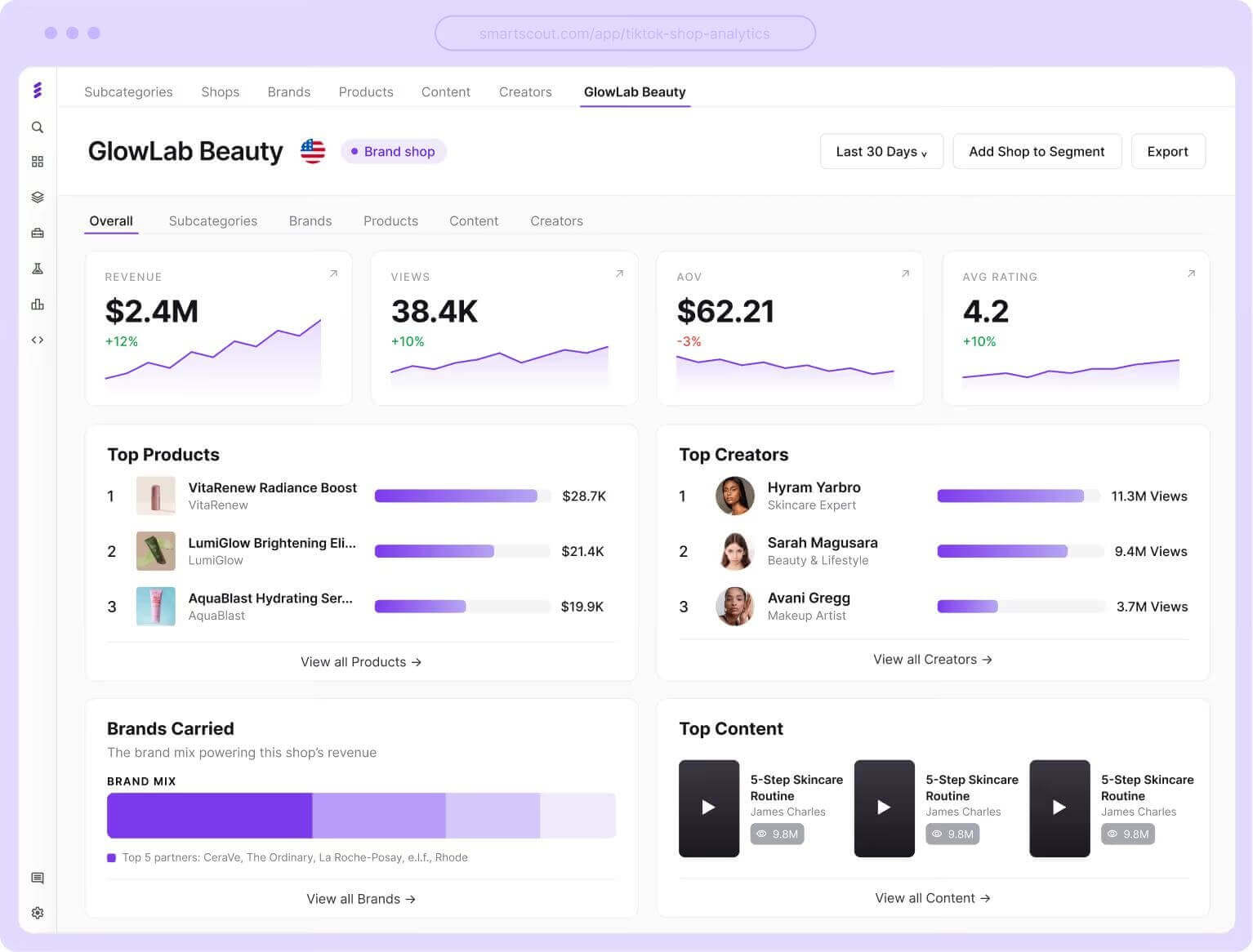
Awareness Metrics
Track:
- Reach
- Video views
- Impressions
- Brand mentions
Engagement
Track:
- Saves
- Shares
- Comments
- Engagement rate
- Community participation
Creator performance
Track:
- Content generated
- Engagement
- Click-through rate
- Conversion
- Revenue
- Cost per acquisition
Ecommerce
Track:
- Social traffic
- Product-page engagement
- Add-to-cart rate
- Conversion rate
- Average order value
- Repeat purchases
- Revenue from social
Customer value
Track:
- Repeat purchase rate
- Customer lifetime value
- Subscription retention
- Referral activity
The ultimate question should be: Which content is creating customers—not just attention?
Common Social Media Mistakes Beauty Brands Should Avoid
Posting Without a Strategy
Publishing every day does not automatically create growth. Every piece of content should have a purpose.
Making Everything an Advertisement
If every post says “Buy now,” audiences eventually tune out. Educate, entertain, demonstrate, and build trust before asking for the sale.
Depending on One Influencer
A single creator can generate a spike. A creator ecosystem can generate a growth engine.
Ignoring Customer Content
Your customers may already be creating your best marketing assets. Find them, request permission where needed, and amplify them appropriately.
Using AI Without a Human Strategy
AI can help brands produce content faster. But speed isn’t the same as relevance. AI-generated content should support your brand voice and strategy rather than replace authentic customer experiences.
Treating Every Platform the Same
A TikTok video should not simply be copied onto LinkedIn, Instagram, YouTube, and Reddit without adapting the format and context.
Each platform has different audience expectations.
How AI Can Improve Beauty Social Media Marketing
AI can help beauty brands move faster while maintaining a more personalized content strategy.
Potential applications include:
- Content ideation
- Audience segmentation
- Social listening
- Trend analysis
- Caption development
- Video scripting
- Product recommendations
- Customer-service automation
- Personalized product quizzes
- Content repurposing
- Performance analysis
- Predictive recommendations
But AI should be used carefully.
The most effective strategy is not:
AI instead of people.
It is:
AI + creators + customers + experts + brand strategy.
That combination can provide both efficiency and authenticity.
The Role of Your Ecommerce Website in Beauty Social Media Success
Social media may create the initial demand, but your ecommerce experience ultimately has to convert it. This is especially important for beauty brands because customers need extensive product information before purchasing.
Your ecommerce experience should make it easy to understand:
- What the product does
- Who it is for
- How to use it
- What it contains
- What it looks like
- What other customers think
- Which product to choose
- What to buy next
Brands exploring selling skincare, makeup, and cosmetics on Shopify can combine social discovery with, this could include personalized product quizzes, shade finders, subscription options, social proof, UGC, educational content, and social commerce integrations.
Beauty brands should also evaluate their eCommerce website requirements carefully, particularly around mobile experience, checkout speed, SEO, social integrations, and marketing tools.
Ayatas Technologies provides custom ecommerce development for beauty and cosmetics brands, including solutions designed around personalization, subscriptions, high-speed product experiences, and social integrations.
Why Beauty Brands Need a Social-First Ecommerce Strategy
The future of beauty commerce is increasingly connected. A customer may discover your product on TikTok, research it through Google or an AI assistant, watch a YouTube review, check Reddit discussions, visit your ecommerce website, read customer reviews, and finally purchase through a social or website channel.
The customer doesn’t think of these as separate marketing channels. They experience them as one brand. Your technology should work the same way. Your social content, ecommerce platform, product data, reviews, analytics, personalization, and customer experience should work together. Headless commerce can provide a more flexible architecture for delivering consistent shopping experiences.
How Ayatas Technologies Helps Beauty Brands Build Digital Commerce Experiences
Ayatas Technologies combines ecommerce development, digital marketing, AI, custom software, and digital transformation to help brands build scalable digital experiences.
For beauty and cosmetics businesses, this can include:
- Custom ecommerce development
- Shopify development
- WooCommerce development
- BigCommerce development
- Magento development
- Headless commerce
- AI-powered product recommendations
- Personalized product quizzes
- Subscription ecommerce
- Social commerce integrations
- SEO and ecommerce SEO
- Digital marketing
- Conversion optimization
- Custom software and integrations
Ayatas’ broader technology offering is built around scalable ecommerce, AI and automation, custom software, and digital marketing and growth.
For beauty brands, the opportunity is to connect your social strategy with the technology that turns attention into revenue.
Final Thoughts: Beauty Social Media in 2026 Is About More Than Going Viral
Beauty social media is becoming more sophisticated. The winning brands won’t necessarily be the brands that produce the most content. They will be the brands that understand how content moves consumers through the buying journey.
In 2026, that journey increasingly looks like:
Discover → Watch → Learn → Trust → Explore → Compare → Purchase → Share
Creators can drive discovery.
Educational content can build confidence.
UGC can create authenticity.
Reviews can validate the decision.
AI can improve discovery and personalization.
Social commerce can reduce friction.
And ecommerce technology can turn all of those interactions into measurable revenue.
The key is to stop thinking about social media as a collection of posts.
Think of it as a content-driven commerce system.
For beauty brands ready to compete in 2026, the opportunity isn’t simply to get more followers.
It’s to turn attention, trust, and community into sustainable ecommerce growth.
Ready to Build a Social-First Beauty Ecommerce Strategy?
Ayatas Technologies helps beauty and cosmetics brands connect social media, ecommerce, AI, personalization, SEO, and digital marketing into scalable digital growth systems.
If you’re planning a new beauty ecommerce store, redesigning an existing platform, integrating social commerce, or looking to turn more social traffic into customers, Ayatas Technologies can help you build the technology and digital strategy behind the next stage of your growth.