Table of Contents
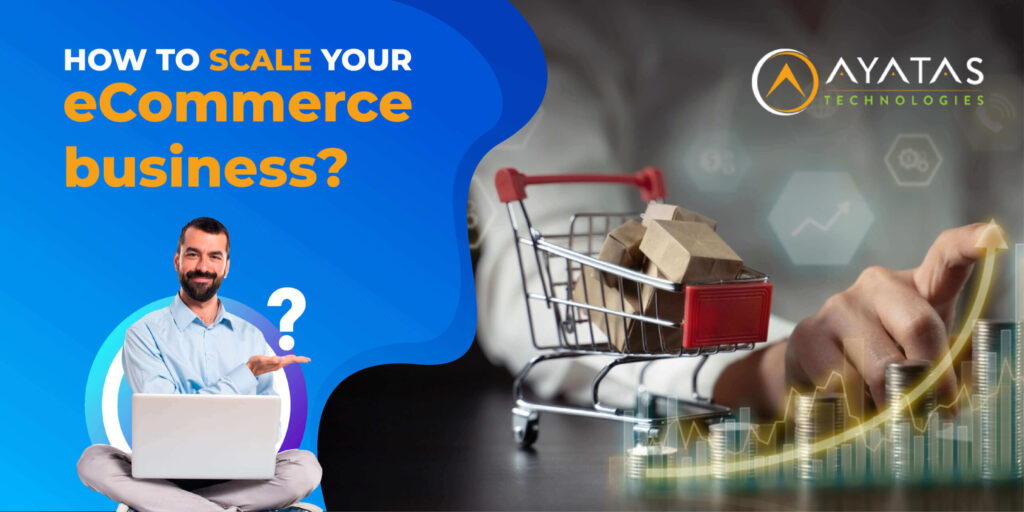
Starting an eCommerce business in 2026 is not the same as it was even two years ago. The landscape has changed dramatically. Strategies that once delivered results between 2022 and 2024—such as launching basic Shopify stores, relying heavily on paid social ads, or listing generic, undifferentiated products—are no longer enough to compete in today’s market.
Modern eCommerce is driven by intelligence, speed, and experience. Today’s consumers are more informed, more selective, and expect seamless, personalized interactions across every touchpoint. At the same time, rapid technological advancements—from AI-driven personalization to conversational commerce—are redefining what “good” looks like.
As a result, businesses that fail to adapt are not just falling behind—they’re being replaced.
If you’re planning to launch or scale an online store, understanding these shifts is no longer optional—it’s critical. This guide will help you avoid costly mistakes, identify real opportunities, and build a future-ready eCommerce business.
How to Scale Your Brand Using the Latest eCommerce Trends
Here are the must-know global eCommerce trends for 2026—insights you should understand before investing your time, money, or resources.
1. AI Is No Longer Optional — It’s the Core of eCommerce
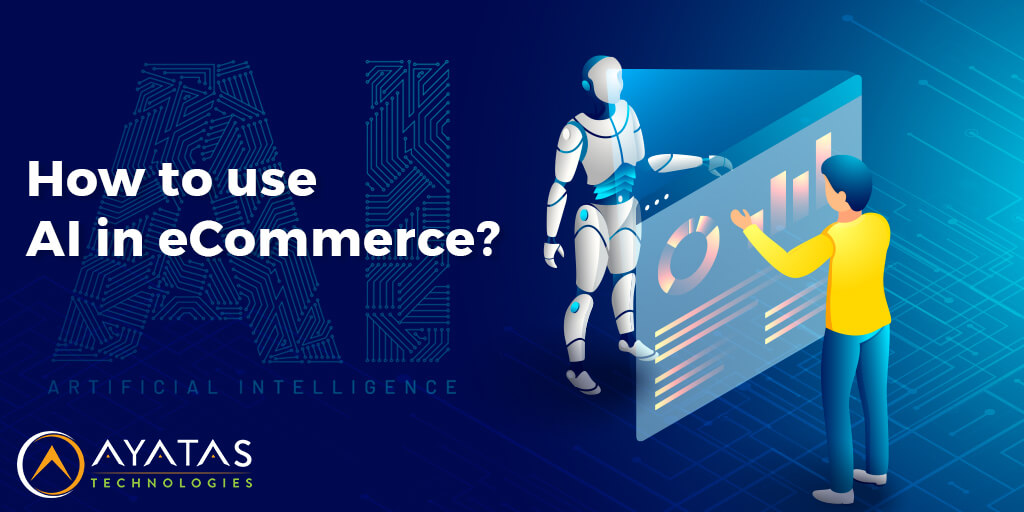
Artificial Intelligence has become the backbone of modern eCommerce in 2026. It is no longer limited to chatbots or basic automation—AI now powers the entire customer journey, from product discovery to post-purchase engagement. Advanced algorithms analyze user behaviour, preferences, and past interactions to deliver highly personalized shopping experiences in real time.
Artificial Intelligence has moved from a “nice-to-have” to a “must-have.”
In 2026, AI is not just powering chatbots—it’s running entire shopping experiences.
- AI recommends products
- AI writes product descriptions
- AI predicts customer behaviour
- AI even completes purchases autonomously
This shift is often called “agentic commerce”, where AI doesn’t just assist but actually acts on behalf of the user.
What This Means for You:
If your store doesn’t use AI:
- Your competitors will outperform you in personalization
- Your customer experience will feel outdated
- Your conversions will drop
Real Shift Happening:
Consumers are now expecting:
- Instant answers
- Smart recommendations
- Personalized shopping journeys
In fact, many shoppers already expect brands to use AI to improve their experience.
In a highly competitive global market, businesses that fail to integrate AI risk falling behind. Simply put, AI is no longer an advantage—it’s a necessity for survival and growth.
2. Conversational Commerce Is Replacing Traditional Websites
Conversational commerce is a new way of buying and selling in which customers interact with businesses via chat, voice, or messaging rather than browsing traditional websites. Rather than navigating multiple pages, filters, and product categories, users ask questions and get instant, personalized responses.
Example:
A customer says:
“I want a protein powder under $100 for weight loss.”
And instantly gets curated recommendations, reviews, and a direct purchase option.
- Best products
- Reviews
- Price comparison
- Buy button
Why This Matters:
- Reduces friction
- Increases conversions
- Saves time
This experience is powered by AI chatbots, virtual assistants, and messaging platforms such as WhatsApp and Instagram, as well as voice assistants. It reduces friction, saves time, and makes shopping more intuitive.
In 2026, consumers prefer quick, human-like interactions over complex navigation. Conversational commerce bridges that gap by combining convenience with personalization.
For businesses, this means higher engagement, faster decision-making, and improved conversion rates—making it a powerful replacement for traditional browsing experiences.
If your store is not conversational, it will feel outdated.
3. Social Commerce Is Exploding (Not Just Growing)
Social commerce has rapidly evolved from a marketing tactic into a powerful sales engine, and in 2026, it is reshaping how people discover and buy products globally. Unlike traditional eCommerce, where customers visit a website to shop, social commerce allows users to complete the entire buying journey—discovery, evaluation, and purchase—directly within social media platforms.
Apps like Instagram, Facebook, TikTok, and WhatsApp now function as full-scale marketplaces. Users can watch product videos, read reviews, engage with influencers, and make purchases without ever leaving the app. This seamless experience reduces friction and significantly increases conversion rates.
One of the biggest drivers of social commerce is trust. Consumers rely heavily on user-generated content, influencer recommendations, and real customer reviews rather than traditional advertisements. Short-form videos, live shopping, and interactive content make products feel more authentic and relatable.
Social commerce allows customers to:
- Discover products
- Read reviews
- Buy instantly all without leaving the app.
Key Insight:
People trust people more than brands.
User-generated content, influencers, and reviews now influence buying decisions more than ads.
What You Should Do:
- Build a strong social presence
- Collaborate with micro-influencers
- Focus on video content
If you ignore social commerce, you’re missing where customers actually shop.
4. Hyper-Personalization Is the New Standard
Means showing each customer a customized shopping experience based on their behaviour, interests, and preferences. Instead of showing the same products to everyone, eCommerce stores use data and AI to tailor what each person sees.
For example, if you search for fitness products, the website will show you protein powders, gym gear, and health tips—while another user might see skincare or fashion items.
It also includes personalized emails, offers, and recommendations. In simple terms, every customer feels like the store is made just for them, which increases trust, engagement, and sales.
Generic stores are dying. Customers now expect:
- Personalized product recommendations
- Customized homepages
- Tailored offers
AI enables stores to create a “store of one” experience for each user.
Example:
Two users visit the same store:
- One sees fitness products
- Another sees organic foods
- Same store → Different experience
Why It Matters:
- Increases conversion rates
- Improves customer satisfaction
- Builds loyalty
If your store looks the same to everyone, you’re already behind.
5. Omnichannel Is Now “Unified Commerce.”
Unified commerce is the next evolution of omnichannel, in which all sales channels and business systems are fully integrated into a single platform. Earlier, omnichannel meant selling across multiple platforms —such as websites, mobile apps, social media, and physical stores—but these often operated separately.
In 2026, unified commerce brings together inventory, customer data, orders, payments, and support into a single centralized system. This ensures a seamless and consistent experience for customers, no matter where they shop.
For example, a customer can discover a product on Instagram, add it to their cart on a mobile app, and complete the purchase on a website without any confusion or data loss.
This means:
- Inventory is synced everywhere
- Pricing is consistent
- Customer data is unified
This is becoming essential because customers now switch between:
- Mobile
- Website
- Social media
- Offline stores
A seamless experience is expected.
Example:
Customer:
- Adds product on Instagram
- Completes purchase on website
- No friction. No confusion.
This integration helps businesses avoid errors, manage operations efficiently, and deliver faster service.
In simple terms, unified commerce means one brand, one system, and one smooth experience everywhere, which is now essential for customer satisfaction and business growth.
If your systems are not connected, you will lose customers.
6. Zero-Click Commerce Is Changing Buying Behaviour
Zero-click commerce is a major shift in how people shop online, enabling customers to discover, evaluate, and purchase products without navigating multiple pages or steps. In traditional eCommerce, users go through a long journey—searching, comparing, reading reviews, adding to cart, and then checking out. This process is being compressed into just a few seconds.
Customers don’t want to:
- Visit multiple pages
- Compare endlessly
- Fill long forms
They want: Instant purchase decisions
AI now provides:
- Final recommendations
- Best deals
- One-click checkout
This reduces the entire buying journey to seconds.
Your goal is no longer traffic—it’s instant conversion.
7. Video Content Is Driving Sales (Not Just Engagement)
Video content has become one of the most powerful tools in eCommerce, going beyond engagement to drive sales directly. Short videos, such as reels, product demos, and unboxing clips, help customers understand products quickly and clearly.
Unlike images or text, videos show real use, benefits, and results, which build trust and reduce hesitation. Platforms like Instagram, TikTok, and YouTube are now key shopping channels where users discover and buy products through video.
Short-form videos are dominating:
- Product demos
- Reviews
- Tutorials
- Unboxings
Video content:
- Builds trust faster
- Explains products better
- Increases conversions
Many brands are now prioritizing video-first commerce strategies.
What You Should Do:
- Create reels for products
- Show real usage
- Highlight benefits clearly
Customers prefer watching before buying. Simply put, videos don’t just attract attention—they also influence decisions and significantly increase conversions.
8. Trust, Transparency & Authenticity Are Critical
Trust has become one of the most important factors in eCommerce success. Customers are more aware, cautious, and selective about where they spend their money. They don’t just buy products—they buy from brands they trust.
Transparency means clearly showing product details such as ingredients, sourcing, pricing, and policies. Customers want to know what they are buying and where it comes from. Authenticity means being real—honest branding, genuine reviews, and no exaggerated claims.
User-generated content, real customer feedback, and visible ratings play a huge role in building confidence. Brands that hide information or overpromise quickly lose credibility.
Trust also includes secure payments, easy return policies, and reliable customer support.
Customers are becoming more cautious.
They care about:
- Product origin
- Ingredients
- Sustainability
- Reviews
Technologies like Digital Product Passports are emerging to show:
- Where products are made
- How they are sourced
- Environmental impact
Why This Matters:
Trust = Conversion
No trust = No sales
In simple terms, if customers trust your brand, they will buy—and come back again. If they don’t, even the best product won’t sell.
9. Customer Acquisition Is Getting Expensive
Acquiring new customers has become significantly more expensive than before. Rising competition, increased advertising costs, and stricter data privacy rules have made it harder to reach and convert new audiences. Platforms like Google, Facebook, and Instagram are more crowded, driving up cost-per-click (CPC) and overall marketing spend.
At the same time, Customer Acquisition Cost (CAC) is rising, making tracking harder. Tracking user behaviour has become more challenging due to privacy updates, making ads less targeted and slightly less effective. As a result, businesses are no longer focusing only on bringing more traffic—they are focusing on getting better results from the traffic they already have.
This shift means improving conversion rates, enhancing customer experience, and increasing repeat purchases. So businesses are shifting focus from traffic to conversions.
New Focus:
- Increase lifetime value (LTV)
- Build loyalty programs
- Improve conversion rates
It’s no longer about spending more money to get customers—it’s about maximizing value from every visitor and building long-term relationships to reduce dependency on expensive ads.
10. Loyalty Programs Are Becoming Intelligent
Loyalty programs are no longer limited to simple points and discounts. They have evolved into intelligent, data-driven systems that focus on building long-term customer relationships. Instead of offering the same rewards to everyone, modern loyalty programs use customer data, purchase history, and behaviour to deliver personalized incentives.
For example, a frequent buyer might receive exclusive early access to new products, while a first-time customer may get a special discount to encourage a second purchase. These programs can also send timely reminders, customized offers, and recommendations based on individual preferences.
Old loyalty programs:
- Points
- Discounts
New loyalty programs:
- Personalized rewards
- Behaviour-based offers
- Emotional engagement
Brands are using data to:
- Predict repeat purchases
- Offer tailored incentives
The goal is not just to repeat purchases, but to create an emotional connection with the brand. Gamification, tier-based rewards, and personalized experiences make customers feel valued.
Conclusion
The eCommerce landscape in 2026 is more dynamic, competitive, and opportunity-rich than ever before—but it’s also far less forgiving. Success is no longer about simply launching a store and running ads. It’s about building a smart, connected, and customer-centric business that adapts to changing behaviours and technologies.
From AI-driven experiences and conversational commerce to social selling, hyper-personalization, and zero-click buying, the rules of the game have changed. Customers now expect speed, relevance, trust, and convenience at every step. Businesses that deliver on these expectations will thrive—while those that rely on outdated strategies will struggle to survive.
The key takeaway is simple: eCommerce success in 2026 is not about selling products, but about delivering seamless, intelligent experiences. If you’re planning to start or scale your eCommerce business, take the time to understand these trends, align your strategy, and build with the future in mind. Because in today’s digital world, those who adapt early don’t just compete—they lead. If you are looking for AI-powered expert eCommerce solutions, then get in touch with us for a free consultation and a no-obligation custom-tailored quote for your requirements.