Table of Contents
Understanding What Actually Moves the Needle
Increasing ecommerce sales is not about chasing every shiny tactic. It is about fixing the leaks in your buying journey and making it easier for people to say yes. The best-performing stores usually do a handful of things well: they attract the right visitors, build trust quickly, remove friction from the product page and checkout, and keep customers coming back after the first purchase.
That matters even more now because ecommerce is crowded and customers are selective. Recent industry research across major ecommerce and marketing sources points to the same core idea: strong product pages, a smooth checkout, personalized follow-up, reviews, and smart promotions consistently drive better results than random growth hacks. In other words, the stores that win are the ones that reduce hesitation at every step.
Top 10 Tips to Increase Sales on eCommerce
1. Start with the Right Metrics

Before you try to increase sales, you need to know where the drop-off is happening. A store with plenty of traffic but weak conversions faces a different problem than one with solid conversions but low traffic. Track conversion rate, average order value, cart abandonment, returning customer rate, and revenue by channel. Those numbers show whether your issue is discovery, trust, pricing, or checkout friction.
One of the most useful habits is to review performance by device. Mobile shoppers behave differently from desktop users, and many stores lose sales simply because mobile pages are slow, cluttered, or hard to tap. Analytics also helps you see which products attract attention but do not convert, which is often a clue that the price, photos, copy, or shipping message needs work.
2. Improve the Website Experience First
A confusing website is like a store with the lights off. People may walk in, but they will not stay long. Clean navigation, fast-loading pages, and a mobile-friendly design are the foundation of ecommerce growth. If shoppers cannot find what they want quickly, they leave before you ever get the chance to sell.
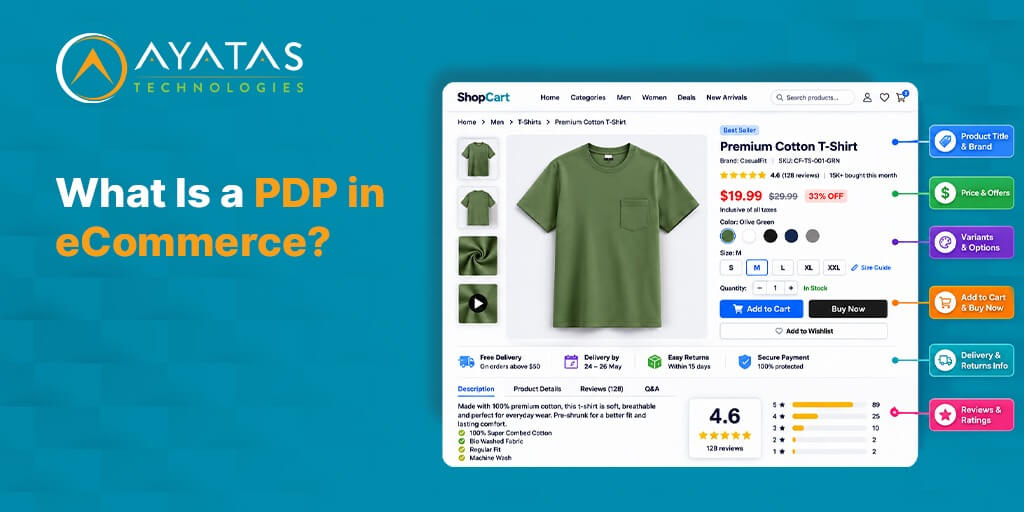
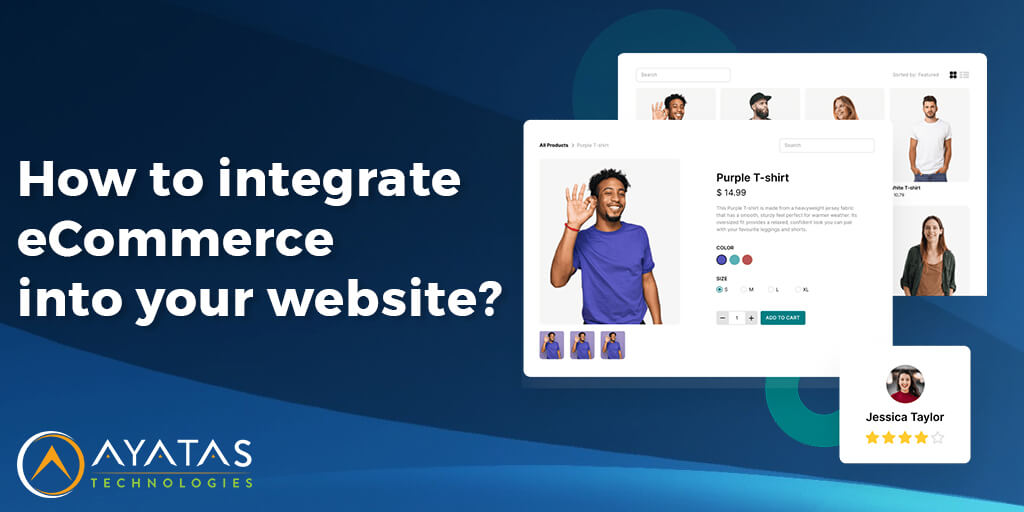
Product pages deserve special attention. They need high-quality images, clear descriptions, visible pricing, strong calls to action, and answers to the questions shoppers are likely to have. This is also the place to use social proof. Reviews, ratings, testimonials, and user-generated photos all reduce doubt and make the product feel real. When the page looks credible, sales become much easier to earn.
It also helps to think like a buyer, not a store owner. Ask yourself: Does this page clearly and quickly explain the benefit? Does it answer questions about shipping, returns, sizing, or compatibility? Does it make the next step obvious? A product page should not feel like a brochure. It should feel like a helpful salesperson who knows exactly what the customer needs.
3. Make Checkout Feel Effortless

Checkout is where many ecommerce sales die. A shopper can love the product and trust the brand yet still abandon the cart if the process feels too long or risky. The best fix is to simplify the flow as much as possible. Reduce the number of fields, enable guest checkout, and ensure the payment step is short and clear.
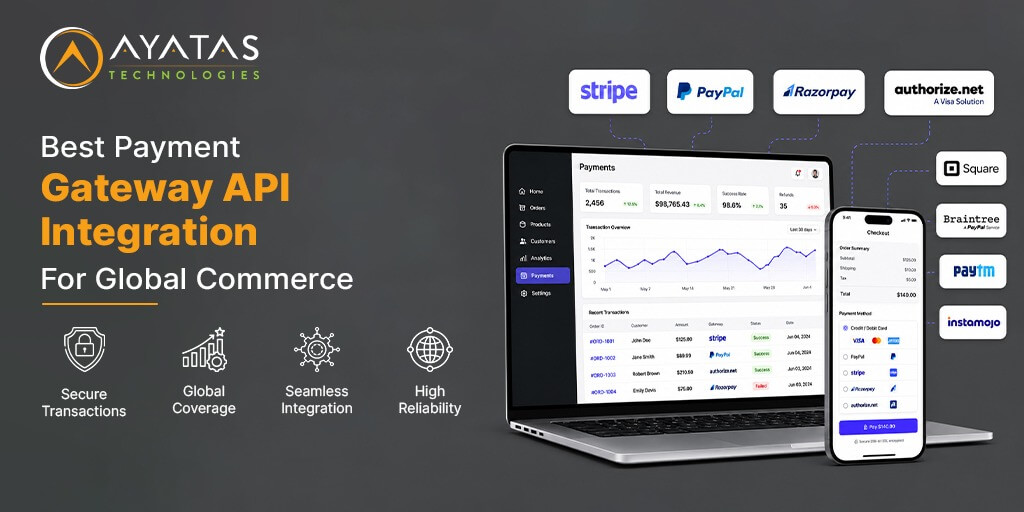
Multiple payment options also matter. Some customers want credit cards. Others prefer digital wallets, PayPal, or buy-now-pay-later options. When you limit payment choices, you create unnecessary friction. When you give people familiar options, you make the purchase feel safer and easier.
Shipping is another major factor. Free shipping, fast delivery, and transparent return policies can all improve conversion. Many stores use free shipping thresholds to increase order size while still making the offer attractive. That turns shipping from a cost center into a sales lever. If the message is clear and the threshold feels achievable, customers often add more to their cart rather than abandon it.
4. Use Email and SMS to Recover Lost Sales

A large part of ecommerce revenue is hidden in follow-up. Not every customer buys on the first visit. Some need a reminder. Others get distracted. Some leave because they were not ready yet. Email and SMS give you a second chance to close those sales without paying for new traffic.
Cart abandonment flows are one of the highest-return automations you can set up. A well-timed reminder can bring shoppers back with the exact product they left behind. You can also use email for welcome series, browse abandonment, post-purchase upsells, review requests, and win-back campaigns. Each message should feel helpful, not pushy.
SMS can be especially effective for short, urgent offers or order-related updates. It works best when it is used carefully and with clear permission. A text message feels personal, so it should be relevant. A good SMS flow can recover sales, announce flash deals, or push a time-sensitive promotion that motivates action.
5. Personalize the Shopping Journey

Personalization makes the store feel smarter. Instead of showing every visitor the same thing, you show them products and offers that fit their behavior. That might include recently viewed items, recommended accessories, category-specific promotions, or content based on what they already clicked.
This matters because shoppers do not always know exactly what they want. A relevant recommendation can move them from browsing to buying in seconds. Think of it like a helpful clerk who notices what you are looking at and brings over the perfect add-on. The experience feels natural, and that increases the chances of a larger order.
AI tools can support this process by suggesting products, answering common questions, and helping customers navigate choices. Used well, AI does not replace the shopping experience; it improves it. It removes uncertainty and speeds up decision-making, which is exactly what you want at the point of sale.
6. Increase Average Order Value
Sometimes the fastest way to increase ecommerce sales is not by getting more customers, but by getting more revenue from each customer. Upselling and cross-selling are simple but powerful. If someone is buying a phone, offer a case, charger, or screen protector. If they are buying skincare, suggest a bundle or a subscription refill.
Bundling is especially effective because it makes the offer feel smarter and more valuable. Customers like the feeling of getting a complete solution rather than a random list of items. Tiered discounts can work too. A small reward for spending a little more often nudges the customer to increase their cart size.
You can also use post-purchase offers and shipping package inserts to encourage repeat buying. A coupon inside the box, a loyalty reward, or a return incentive can bring customers back for another order. That second sale is often cheaper than acquiring a brand-new customer.
7. Build Trust Everywhere

Trust is the fuel behind ecommerce conversion. People cannot touch the product, so they rely on signals. Reviews, ratings, trust badges, secure payment icons, clear return policies, and strong customer service all help reduce fear. Even a great product can struggle if shoppers do not feel safe buying it.
Customer reviews are especially important. They add real-world context and help shoppers imagine how the product works in daily life. Negative reviews are not always bad either. A mix of reviews can make the page feel more authentic, as long as the overall sentiment is strong and the brand responds professionally.
Customer support also plays a major role. Live chat can answer objections before they turn into abandoned carts. If someone is stuck on sizing, shipping, or compatibility, a quick response can save the sale. The goal is to remove hesitation while the customer is still in buying mode.
8. Bring More Qualified Traffic
A stronger site will not help much if the wrong people are landing on it. Traffic quality matters as much as traffic volume. Search engine optimization, paid ads, content marketing, influencer partnerships, and social media all help, but they need to target the right audience with the right message.
SEO is especially valuable for ecommerce because it brings in people who are already searching for a solution. Product category pages, buying guides, comparison pages, and informational blog content can all attract high-intent visitors. Paid ads can work too, but they perform best when the landing page is sharp and the offer is clear.
Social media and influencer marketing can also drive sales when they are tied to a specific product or use case. A short video, a real customer demonstration, or a creator recommendation can do more than a polished ad because it feels familiar and believable. The more closely your traffic aligns with your offer, the higher your conversion rate will be.
9. Test Everything That Matters
Ecommerce growth is rarely one giant breakthrough. It is usually a series of small improvements that add up over time. That is why testing matters so much. Test headlines, product images, pricing, button text, page layout, shipping messages, and offers. Even a small lift in conversion rate can create a meaningful jump in revenue.
A/B testing helps you stop guessing. Instead of assuming a new design will work, you can compare it against the current version and let the numbers decide. This keeps your decisions grounded in what customers actually do, not what you hope they will do.
The same idea applies to promotions. Not every discount is profitable, and not every banner gets attention. Test flash sales, bundles, free shipping thresholds, and loyalty offers to see what your audience responds to best. The strongest ecommerce brands are usually the ones that keep learning instead of repeating the same playbook forever.
10. A Practical Priority Order
If you are trying to improve sales fast, start with the biggest leaks first. The highest-impact work usually looks like this: simplify checkout, improve product pages, add abandoned-cart recovery, strengthen trust signals, and make mobile shopping easier. Those are the areas that directly affect conversion and do not require a huge budget to improve.
After that, expand into upsells, personalized recommendations, loyalty programs, and stronger traffic generation. Those strategies compound over time and help you grow beyond quick wins. Think of it as fixing the pipes before increasing the water pressure. Once the system works smoothly, scaling becomes much easier.
Conclusion
Increasing ecommerce sales is really about creating a better buying experience. When shoppers can find products easily, trust your brand quickly, check out without friction, and receive smart follow-up after leaving, sales start to rise. The best approach is not to rely on one tactic, but to combine several small improvements that work together.
Focus first on conversion, then on retention, then on traffic quality. That sequence gives you the best chance of growing revenue without wasting effort. In ecommerce, clarity beats complexity every time.
If your eCommerce website is slow on sales and looking for help? Please get in touch with us for a free website audit and one-to-one consultation with our experts.