This article outlines essential Shopify website design best practices for 2026, positioning web design as a core revenue driver rather than just a visual task. It emphasizes a mobile-first, high-speed approach to meet modern consumer expectations and improve SEO rankings. Key practices include implementing conversion-focused layouts, leveraging AI personalization, and streamlining the checkout process to reduce friction. Ultimately, the guide highlights that combining data-driven UX with performance optimization is vital for scaling sales in a competitive market.
Table of Contents
Why Shopify Web Design is a Sales Engine in 2026
In 2026, the design of your Shopify website plays a crucial role in determining your store’s revenue. With rising competition, increasing advertising costs, and heightened customer expectations, merely having a Shopify store is no longer sufficient.
Modern consumers expect:
- Lightning-fast loading times
- Mobile-first experiences
- Personalized shopping journeys
- Trust, clarity, and ease at every step
As a result, conversion-focused Shopify web design is now seen as a core growth strategy rather than just a branding exercise.
Shopify Website Design Best Practices
This SEO-optimized guide outlines best practices for Shopify web design to boost sales in 2026, covering user experience (UX), conversion rate optimization (CRO), mobile optimization, page speed, AI personalization, checkout design, and SEO-friendly layouts.
1. Conversion-First Web Design
A conversion-first Shopify web design strategy prioritizes converting visitors into customers, rather than simply creating visually appealing pages. In 2026, successful Shopify stores are designed with user intent in mind, with each page having a clear objective—such as encouraging product discovery, adding items to the cart, or completing the checkout process. Key components include a strong value proposition above the fold, clear call-to-action buttons, simplified navigation, and minimal distractions. By naturally guiding users through the buying journey and removing friction points, conversion-focused Shopify design significantly enhances engagement, boosts conversion rates, and increases overall online sales.
The Goal: Prioritizing user intent by guiding visitors toward a specific objective, such as adding an item to the cart, rather than just focusing on aesthetics.
Example: Gymshark.com
Why: Gymshark uses a high-impact visual hierarchy and clear, contrasting Call to Action (CTA) buttons that stand out immediately against their product backgrounds, driving users toward “Shop Now” or “Add to Bag” with minimal friction.
Best Practices:
- Each page should have one primary goal.
- Maintain a clear visual hierarchy (headline → benefit → call-to-action).
- Limit choices to reduce cognitive overload.
- Use whitespace strategically to guide attention.
Conversion-Driven Design Elements:
- Clear value proposition above the fold
- Contrasting call-to-action buttons
- Directional cues (icons, arrows, imagery)
- Fewer distractions near call-to-action elements
SEO Impact: Lower bounce rates, higher dwell time
Sales Impact: More users taking action
2. Mobile-First Web Design
In 2026, over 75% of Shopify traffic originates from mobile devices.
Google employs mobile-first indexing, making mobile design a ranking factor. Therefore, mobile-first Shopify web design is essential, as the majority of eCommerce traffic comes from smartphones. A mobile-optimized Shopify store emphasizes fast loading times, simple navigation, and thumb-friendly interactions. Key elements include responsive layouts, readable typography, optimized images, sticky “Add to Cart” buttons, and a streamlined mobile checkout experience. Designing with mobile as a priority ensures users can browse and purchase effortlessly on smaller screens. This approach not only enhances user experience but also improves SEO rankings, reduces bounce rates, and drives higher mobile conversion rates.
The Goal: Ensuring the design is optimized for smartphones, featuring “thumb-friendly” navigation and fast-loading mobile layouts.
Example: Red Bull Shop
Why: Their store is built on a mobile-first philosophy, with a streamlined navigation menu and optimized media that scale perfectly for sports fans browsing on the go.
Best Practices:
- Thumb-friendly navigation
- Sticky “Add to Cart” buttons
- Mobile-optimized images
- One-handed checkout process
- Large, readable fonts (16px+)
Advanced Tip: Design mobile layouts first, then expand to desktop.
SEO Benefit: Better rankings
Sales Benefit: Higher mobile conversion rates

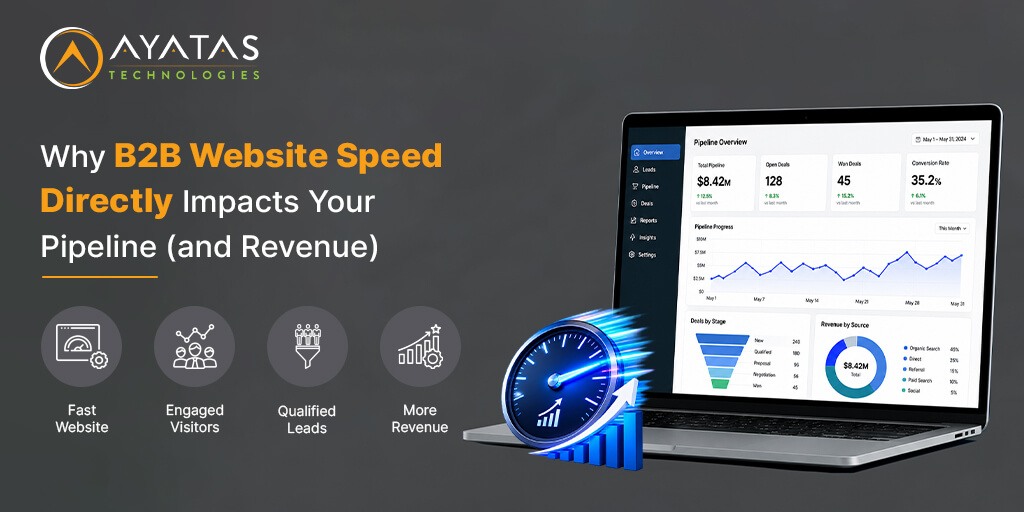
3. Website Speed Optimization Through Design
In 2026, speed is a critical factor for both SEO and conversions
Optimizing your Shopify website’s design is essential to achieving fast loading times. A well-designed Shopify store utilizes lightweight themes, clean layouts, and minimal animations to enhance performance. Optimizing image formats, reducing unnecessary visual elements, and limiting third-party apps can significantly improve site speed. Design decisions should prioritize clarity and efficiency over heavy effects. Faster Shopify websites contribute to smoother user experiences, meet Google Core Web Vitals requirements, and keep visitors engaged. Consequently, speed-optimized design reduces bounce rates, improves search rankings, and significantly increases completed purchases.
The Goal: Utilizing high-performance infrastructure like CDNs and minimizing heavy scripts to ensure lightning-fast load times.
Example: Kylie Cosmetics
Why: Known for massive “product drops” that generate extreme traffic spikes, this store uses Shopify’s advanced CDN and optimized theme architecture to handle high volumes without slowing down.
Design-Focused Speed Improvements:
- Lightweight Shopify themes
- Minimal animations
- Use of modern image formats like WebP and AVIF
- Lazy loading for images and videos
- Limit the use of third-party apps
Core Web Vitals Targets (2026):
- Largest Contentful Paint (LCP) < 2.5 seconds
- Cumulative Layout Shift (CLS) < 0.1
- Input Delay (INP) < 200 milliseconds
SEO Impact: Higher Google rankings
Sales Impact: Lower cart abandonment rates
By implementing these best practices, you can create a Shopify store that not only captures attention but also drives sales in 2026 and beyond.
4. High-Converting Shopify Homepage Design
Your homepage should guide users, not overwhelm them.
A high-converting Shopify homepage design in 2026 focuses on clarity, trust, and action. The homepage should immediately communicate what the brand offers, who it’s for, and why customers should choose it. A strong value proposition above the fold, supported by a clear call to action, helps guide visitors quickly. Effective Shopify homepages also include social proof such as reviews or testimonials, featured collections, and best-selling products. Clean layouts, strategic use of whitespace, and consistent branding reduce distractions. When designed correctly, the homepage serves as a gateway to conversion, guiding users deeper into the shopping journey.
The Goal: Building trust and clarity above the fold with a strong value proposition and social proof.
Example: Allbirds
Why: Their homepage immediately highlights their core value proposition—sustainability and comfort—using rich imagery and “social proof” logos to build instant credibility with new visitors.
Best Practices:
- Clear H1 with keyword + value
- Subheading with benefits
- Primary CTA
- Social proof (reviews, trust badges)
- Featured collections
- Best-selling products
- Brand credibility section
UX Tip:
- Avoid sliders. Use a single strong hero message.
- SEO Benefit: Better keyword relevance
- Sales Benefit: Higher homepage conversion
5. Collection Page UX for Faster Decisions
Collection pages help users compare and make quick decisions.
Shopify collection page UX is critical for helping customers make quick buying decisions in 2026. Well-designed collection pages present products in a clean, organized layout with consistent images, clear pricing, and visible ratings. Smart filtering options, such as size, colour, price, and popularity, let users easily narrow their choices. Sorting features, quick-view options, and delivery information further reduce decision fatigue. By minimizing clutter and improving product discoverability, optimized Shopify collection pages guide shoppers smoothly toward product pages, shorten the decision-making process, and significantly increase add-to-cart actions and overall conversions.
The Goal: Helping users find what they need quickly through advanced filtering, sorting, and “quick-add” features.
Example: Brooklinen
Why: Brooklinen’s collection pages allow users to filter by material, size, and color easily. They also utilize “bundle” offers directly within the collection view to increase average order value.
Best Practices:
- Clear category naming
- Product filters (price, size, colour)
- Sort by popularity and reviews
- Show ratings on product cards
- Consistent image sizes
UX Enhancements:
- Quick view
- Hover image swap
- Delivery info badges
SEO Impact: Better internal linking
Sales Impact: Faster path to product pages
6. Product Page Design That Sells
Your product page is your highest-value SEO and conversion asset.
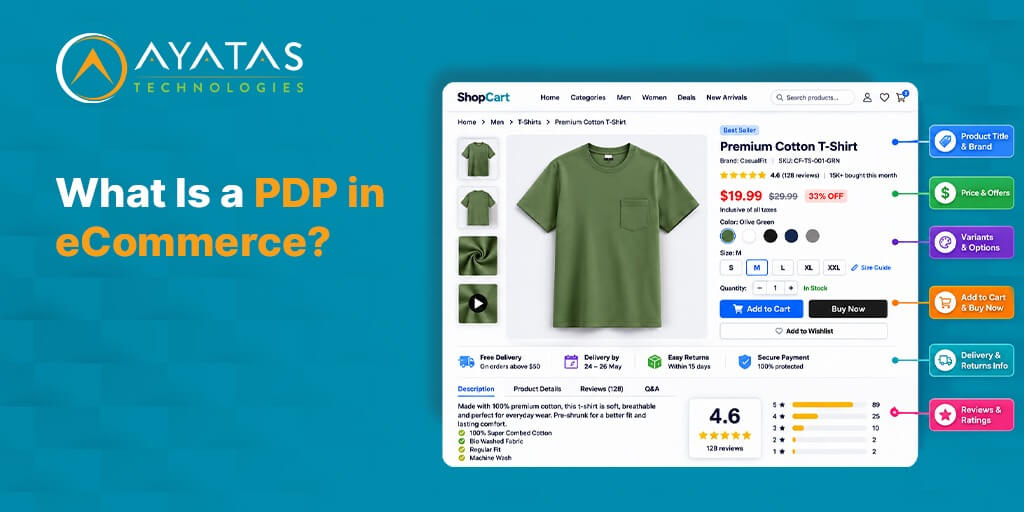
A Shopify product page design that sells focuses on removing doubt and building confidence at every step. High-converting product pages feature clear product titles, benefit-driven descriptions, high-quality images, and engaging videos that show real usage. Essential elements include visible pricing, variant selection, customer reviews, trust badges, and transparent shipping and return information. Sticky “Add to Cart” buttons and urgency indicators further improve conversions. When all key details are easy to find and visually organized, Shopify product pages create trust, encourage faster decisions, and significantly increase add-to-cart and purchase rates.
The Goal: Providing high-resolution visuals, detailed descriptions, and clear pricing to answer all customer questions at once.
Example: Master & Dynamic
Why: Their product pages feature anchor links to technical specs, relatable benefit-driven copy, and high-quality close-ups of product details, making it easy for customers to commit to a purchase.
Must-Have Elements:
- Keyword-optimized product title (H1)
- Benefit-focused description
- High-resolution images & videos
- Reviews and UGC
- Clear pricing and offers
- FAQs with schema markup
- Shipping & return info
Conversion Boosters:
- Sticky Add to Cart
- Low stock urgency
- AI size recommendations
- Personalized upsells
SEO Benefit: Rich snippets & rankings
Sales Benefit: Higher add-to-cart rate
7. AI-Powered Shopify Personalization Design
In 2026, static stores underperform.
AI-powered Shopify personalization design helps create more relevant shopping experiences in 2026. Instead of showing the same content to every visitor, AI-driven design adapts based on user behaviour, location, and purchase history. Personalized home banners, product recommendations, dynamic collections, and tailored offers make customers feel understood. From a design perspective, layouts must be flexible enough to support dynamic content without disrupting usability or brand consistency. When implemented correctly, AI-powered personalization increases engagement, improves average order value, and encourages repeat purchases by delivering the right products to the right customers at the right time.
The Goal: Delivering a tailored experience through dynamic content, such as “Recommended for You” or personalized landing pages.
Example: Huel
Why: Huel uses quiz-based recommendations to guide users to the right nutritional products, creating a personalized shopping journey based on individual health goals.
AI Personalization Examples:
- Dynamic home banners
- Personalized collections
- Product recommendations
- Returning visitor experiences
SEO Impact: Improved engagement metrics
Sales Impact: Higher AOV & repeat purchases
8. Checkout Page Optimization Design
Checkout is the highest abandonment point.
Shopify checkout optimization design is crucial for reducing cart abandonment and increasing sales. A high-converting checkout experience is simple, fast, and distraction-free. Best practices include a one-page checkout, guest checkout options, clear progress indicators, and minimal form fields. Supporting express payment methods like Apple Pay, Google Pay, and Buy Now, Pay Later options makes purchasing easier. Trust badges, transparent pricing, and clear error messages further build confidence. By reducing friction and streamlining the final steps, an optimized Shopify checkout design helps more customers complete their purchases.
The Goal: Reducing friction with one-page checkouts, guest options, and accelerated payment methods like Shop Pay.
Example: Snow At Home

High-Converting Checkout Design:
- One-page checkout
- Guest checkout
- Express payments
- Trust badges
- Clear error messages
2026 Essentials:
Apple Pay / Google Pay
BNPL options
Auto-address fill
Sales Impact: Reduced cart abandonment
9. Trust-Focused Shopify Web Design
Trust directly affects conversions.
Trust-focused Shopify web design is essential for converting visitors into buyers in 2026. Customers are more cautious than ever, especially when purchasing from new or unfamiliar brands. Effective trust-driven design includes visible customer reviews, testimonials, security badges, and clear return and refund policies. Displaying real contact information, transparent shipping details, and authentic user-generated content further increases credibility. Trust elements should be strategically placed near call-to-action buttons, product pages, and checkout areas. When shoppers feel safe and confident, they are far more likely to complete purchases and become repeat customers.
The Goal: Using security badges, transparent policies, and integrated reviews to reduce buyer hesitation.
Example: Pura Vida Bracelets
Why: They prominently display thousands of customer reviews and photos (UGC) across their site, using social proof as a core trust-building mechanic.
Visual Trust Signals:
- Customer reviews
- Secure checkout badges
- Real contact details
- Clear policies
SEO Impact: Better engagement
Sales Impact: Increased buyer confidence
10. Accessibility-Optimization
Accessibility improves SEO, UX, and legal safety
Accessibility-optimized Shopify design improves usability, SEO, and inclusivity in 2026. An accessible Shopify store ensures all users, including those with disabilities, can navigate and shop with ease. Key practices include high colour contrast, readable fonts, descriptive alt text for images, proper heading structure, and full keyboard navigation. These elements enhance user experience for everyone, not just assistive technology users. From an SEO perspective, accessibility improvements help search engines better understand content and improve engagement metrics. As a result, accessible Shopify design expands audience reach, boosts rankings, and drives more conversions.
The Goal: Designing for inclusivity with high color contrast, keyboard-friendly navigation, and proper alt-text.
Example: Partake Foods
Why: As a brand focused on food allergies and inclusivity, their website reflects these values through a highly accessible design that ensures all users can navigate and purchase easily.
Best Practices:
- High contrast colours
- Alt text for images
- Keyboard navigation
- Proper heading hierarchy
SEO Benefit: Wider audience reach
11. SEO-Friendly Shopify Design Structure
Design directly impacts SEO.
An SEO-friendly Shopify design structure is essential for higher rankings and long-term organic growth in 2026. Well-structured design uses clean HTML, proper heading hierarchy (H1 to H3), and logical page layouts that search engines can easily crawl and understand. Optimized images with descriptive alt text, fast-loading pages, and mobile-responsive layouts further strengthen SEO performance. Internal linking through clear navigation and collection pages improves indexation and user flow. When Shopify design aligns with SEO best practices, it increases visibility in search results, attracts qualified traffic, and drives consistent, high-intent visitors to your store.
The Goal: Creating a logical site hierarchy and optimized internal linking to help search engines crawl and index the store.
Example: Rebecca Minkoff
Why: This store uses a “navigation-first” design with a clear hierarchy and well-structured categories that improve both user experience and search engine rankings.
SEO Design Principles:
- Clean HTML
- Proper H1–H3 structure
- Internal linking UX
- Optimized images
- Schema-ready layouts
SEO Impact: Higher organic traffic
Sales Impact: Sustainable growth
12. Headless & Modular Design for Scalability
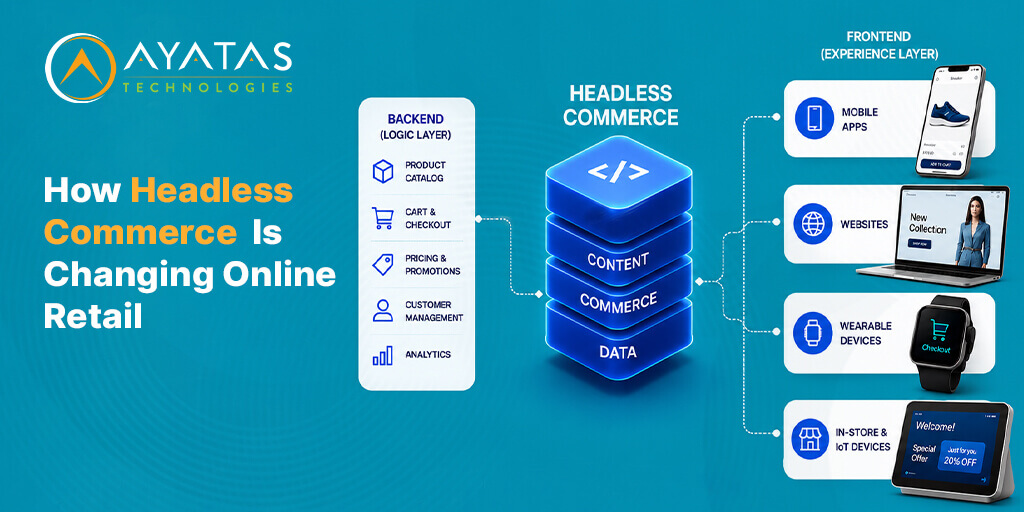
Headless and modular Shopify design enables businesses to scale faster and stay future-ready. By separating the frontend from the backend, headless Shopify allows complete design freedom, faster performance, and seamless omnichannel experiences. Modular design systems use reusable components, making it easy to update layouts, add new features, or launch campaigns without rebuilding the entire site. This approach supports growth across web, mobile, and emerging sales channels. For fast-growing brands, a headless, modular Shopify design delivers flexibility, improved speed, and long-term scalability without compromising user experience or conversions.
The Goal: Separating the front-end design from the back-end for total creative freedom and ultra-fast performance.
Example: Koala (Mattress Brand)
Why: By going “headless,” Koala created a highly customized, app-like experience on the front end while keeping Shopify’s powerful engine for the back end.
Headless Shopify enables:
- Faster performance
- Omnichannel selling
- Design flexibility
Best Practice:
Use modular components for future updates.
13. Data-Driven Shopify UX Optimization
Top brands optimize continuously.
Data-driven Shopify UX optimization focuses on improving user experience based on real customer behaviour. Instead of relying on assumptions, successful Shopify stores use tools such as heatmaps, session recordings, funnel analysis, and A/B testing to understand how users interact with their sites. These insights help identify friction points, optimize layouts, refine call-to-action placement, and improve navigation flow. Continuous testing and refinement allow brands to make informed design decisions that enhance usability and performance. By leveraging data, Shopify UX optimization leads to higher engagement, improved conversion rates, and sustained revenue growth.
The Goal: Continually refining the design based on real user data, heatmaps, and A/B testing.
Example: Bombas
Why: Bombas constantly tests different engagement opportunities on their homepage and product pages, adjusting their vibrant layouts based on what best drives their “one-for-one” mission and sales.
Tools:
- Heatmaps
- Session recordings
- A/B testing
- Funnel analytics
Why Shopify Design Matters More in 2026
In 2026, Shopify design matters more than ever because customer expectations, competition, and technology have evolved rapidly.
Shoppers demand fast, mobile-first, and personalized experiences, and they abandon stores that feel slow or confusing. With rising advertising costs, design plays a critical role in efficiently converting existing traffic. Modern Shopify design now combines UX, SEO, performance, accessibility, and AI-driven personalization into one cohesive experience.
A well-designed Shopify store builds trust, guides users effortlessly, and removes friction in the buying process. As a result, design has become a powerful revenue driver that directly impacts sales, retention, and long-term business growth.
Modern Shopify Web Design Combines:
- UX
- SEO
- CRO
- Performance
- Personalization
Design is no longer visual—it’s strategic revenue infrastructure.
About Ayatas Technologies – Shopify Web Design Experts
At Ayatas Technologies, we specialize in high-converting Shopify web design and development tailored for brands that want to scale faster and sell more. From UX/UI design and performance optimization to SEO-ready and headless Shopify solutions, we build stores that are engineered for results.
Our Expertise Includes:
- Shopify UX/UI design
- Shopify CRO & personalization
- Mobile-first Shopify development
- SEO-optimized Shopify architecture
- Headless & scalable Shopify solutions
We don’t just design Shopify stores—we engineer growth platforms powered by Shopify.