Table of Contents
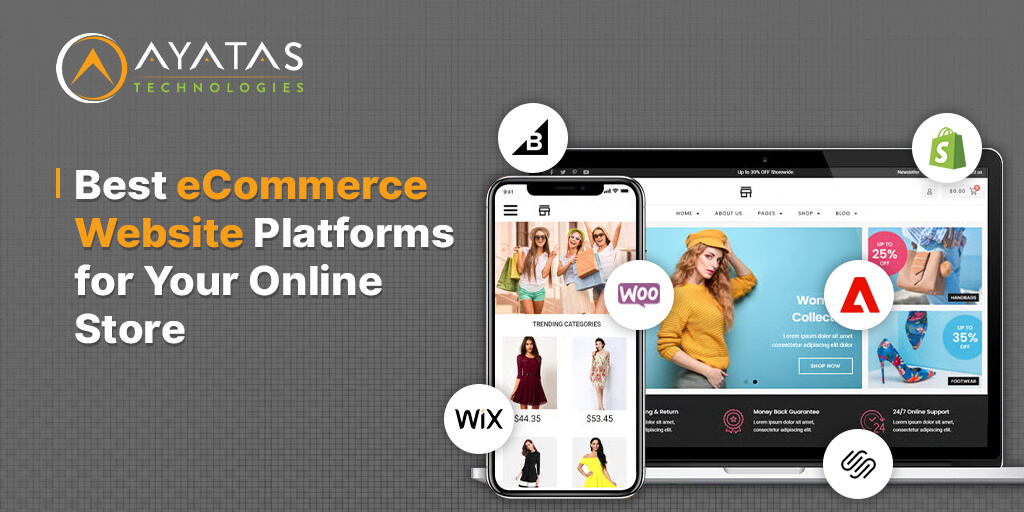
Choosing the right e-commerce platform is one of the most important decisions you will make for your online business. Your platform affects everything—from website speed and SEO rankings to customer experience, scalability, and long-term costs. In 2026, with so many options available, it’s easy to feel overwhelmed. But the best platform isn’t the most popular one—it’s the one that fits your business model, growth goals, and technical needs. This guide will walk you through evaluating, comparing, and confidently choosing the right e-commerce platform for your business.
Step 1: Understand Your Business Model First
Before choosing any platform, clearly define your business type—B2C, D2C, B2B, subscription, or hybrid. Identify your product type, pricing complexity, expected growth, and sales channels. A platform must support your business logic. Choosing without clarity often leads to expensive migrations and operational limitations later.
Before comparing features, you must clearly understand your own business.
Ask yourself:
- Are you selling B2C, D2C, B2B, or a hybrid?
- Are you selling physical, digital, subscription, or service-based products?
- Do you expect high traffic in the next 1–3 years?
- Will you sell internationally?
- Do you need complex pricing rules?
Your platform must support your business logic, not force you to change your model.
For example:
- A simple D2C fashion brand has very different needs than a wholesale B2B distributor.
- A content-driven brand depends heavily on SEO.
- A high-growth startup needs scalability from day one.
Understanding your business maturity and direction prevents expensive migrations later.
Step 2: Evaluate Scalability
Your platform should handle future growth in traffic, products, orders, and international expansion. Even if you start small, choose a solution that won’t limit you later. Scalability ensures performance stability during promotions, traffic spikes, and seasonal sales without compromising user experience or operational efficiency.
Scalability means your platform can handle:
- More products
- More visitors
- More orders
- More integrations
- International expansion
Some platforms work beautifully for small stores but struggle at scale. Others are built for enterprise complexity but may be too expensive or overwhelming early on.
Ask:
- Can it handle traffic spikes during campaigns?
- Can it support multi-currency and multi-language?
- Does it allow multi-store management?
- Will performance drop as catalog size grows?
Switching platforms later is possible—but costly. Think long term.
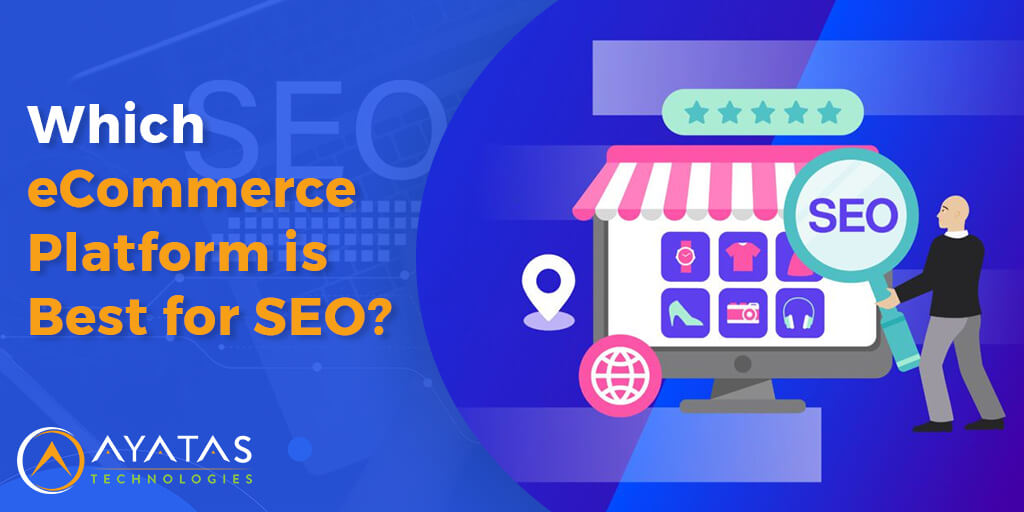
Step 3: Analyze SEO Capabilities
SEO drives long-term, cost-effective traffic. Your platform should support clean URLs, customizable meta tags, structured data, fast load times, and blogging features. Without proper SEO flexibility, ranking on Google becomes difficult. Strong SEO foundations help your store attract consistent organic traffic and reduce reliance on paid marketing.
In 2026, SEO is still one of the most profitable long-term acquisition channels.
Your platform should support:
- Clean URL structures
- Full control over meta titles and descriptions
- Structured schema markup
- Fast page load times
- Mobile-first architecture
- Blogging capabilities
If content marketing is part of your growth strategy, your platform must support strong content management.
For example:
Businesses relying on organic search should prioritize strong SEO flexibility.
Brands depending mainly on paid ads may prioritize conversion optimization and speed.
Step 4: Consider Customization & Flexibility
Every business evolves. You may need custom pricing, subscription systems, CRM integrations, or unique checkout flows. Some platforms restrict backend customization, while others allow full control. Choose a solution that supports future feature expansion without forcing complex workarounds or expensive platform changes.
- No business stays “standard” forever.
- Over time, you may need:
- Custom checkout flows
- Subscription logic
- Loyalty systems
- ERP or CRM integration
- Custom pricing rules
- Marketplace features
Some platforms limit backend customization. Others allow complete flexibility but require strong development expertise.
Ask yourself:
- Will I need advanced workflows later?
- Do I want full control over code?
- Am I comfortable depending on third-party apps?
Flexibility becomes increasingly important as your business grows.
Step 5: Compare Total Cost of Ownership
Don’t evaluate platforms based only on monthly fees. Consider development costs, hosting, maintenance, themes, plugins, security, and optimization. Calculate the projected three-year investment. A cheaper platform initially may become expensive due to add-ons or technical management requirements.
Many businesses compare platforms only by subscription cost.
But the real cost includes:
- Platform subscription
- Hosting (if applicable)
- Theme cost
- Apps or plugins
- Development
- Maintenance
- Performance optimization
- Security updates
For example:
SaaS platforms may have higher monthly fees but lower maintenance.
Open-source platforms may be cheaper upfront but require ongoing technical management.
Look at the 3-year total cost, not just the first month.
Step 6: Understand Hosting & Performance Responsibility
Some platforms manage hosting, security, and updates automatically, while others require you to handle infrastructure. If you lack technical resources, managed hosting reduces risk. Performance impacts SEO, conversions, and customer trust, so ensure your chosen platform supports fast, stable experiences.
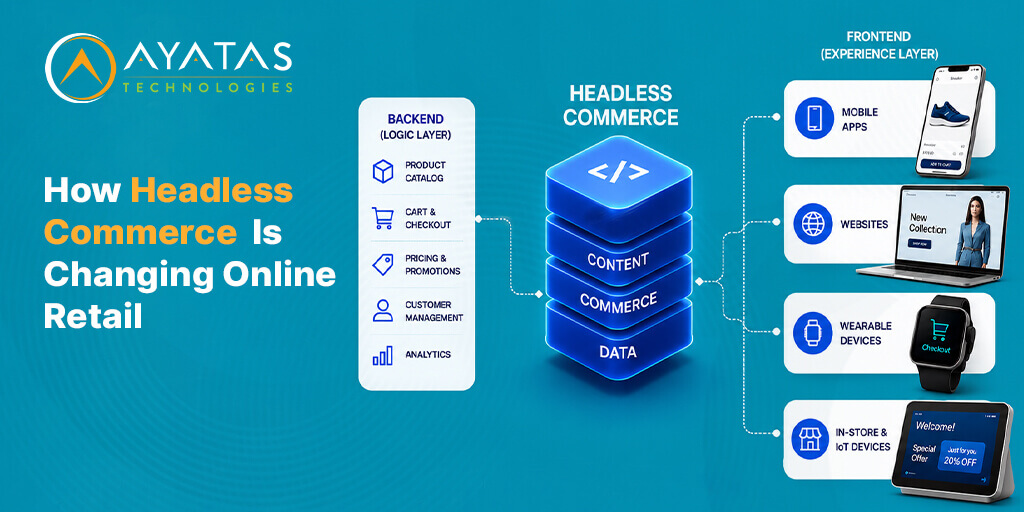
Some platforms are hosted (SaaS), meaning:
- Security handled for you
- Updates managed automatically
- Infrastructure optimized
- Choosing hosting providers
- Managing server performance
- Monitoring uptime
If you don’t have internal technical resources, managed platforms reduce operational risk.
Performance directly affects:
- SEO rankings
- Conversion rates
- Customer trust
Step 7: Assess Ecosystem & Integrations
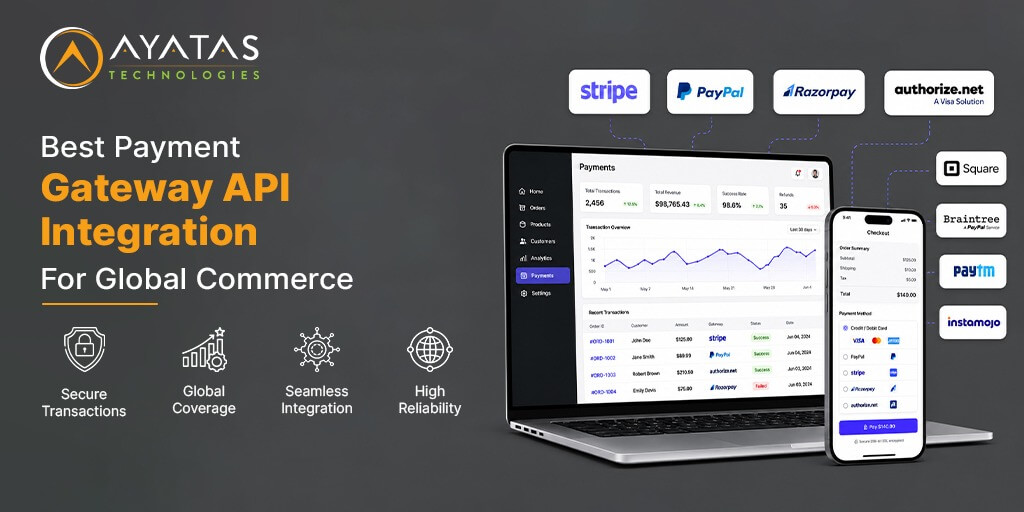
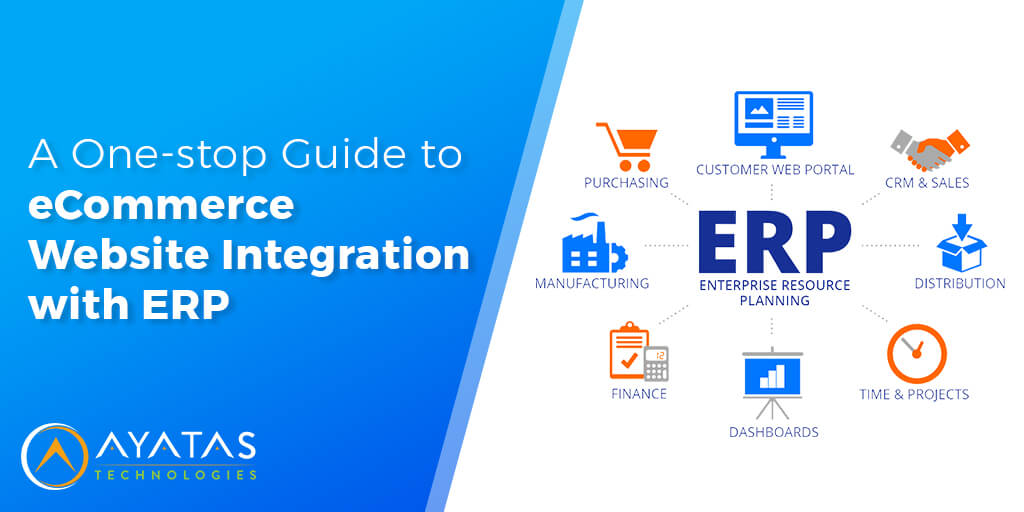
Your e-commerce store must integrate with payment gateways, shipping providers, CRM systems, ERP software, analytics tools, and marketing platforms. A strong ecosystem reduces development complexity and future costs. API flexibility and marketplace availability are critical for long-term operational efficiency.
Your e-commerce platform will not operate on its own.
It must integrate with:
- Payment gateways
- Shipping providers
- CRM systems
- ERP systems
- Marketing automation
- Email tools
- Analytics platforms
A strong ecosystem saves time and reduces development costs.
Ask:
- Does the platform support API integrations?
- Are integrations native or require custom development?
- Is there a strong marketplace of extensions?
Step 8: Consider User Experience (Admin + Customer)
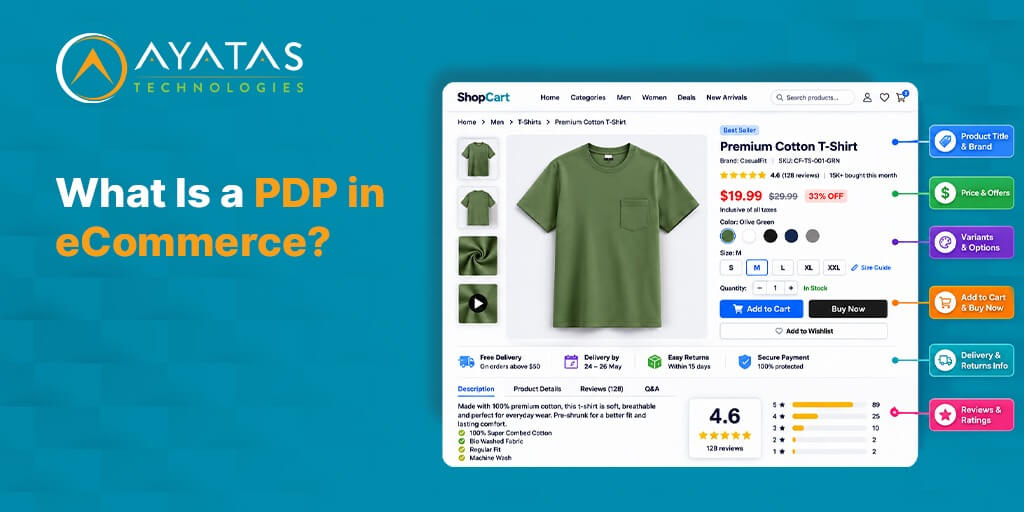
Your customers need fast checkout, mobile-friendly navigation, and secure payments. Meanwhile, your internal team needs simple product management, reporting, and order tracking. A complicated backend slows operations. Choose a platform that balances both customer satisfaction and administrative efficiency.
Two experiences matter:
1. Customer Experience
- Fast checkout
- Easy navigation
- Mobile-friendly
- Secure payments
2. Admin Experience
- Easy product management
- Clear order tracking
- Simple reporting
- Inventory management
If managing your store is complicated, operational efficiency suffers.
Step 9: Think About International Expansion
If global growth is part of your plan, ensure the platform supports multi-currency pricing, language localization, regional taxes, and international shipping rules. Planning for global readiness early prevents costly restructuring when expanding into new markets later.
If you plan to expand globally, your platform must support:
- Multi-currency pricing
- Language localization
- Regional tax rules
- International shipping logic
Expanding internationally later is much easier if your platform supports it from the beginning.
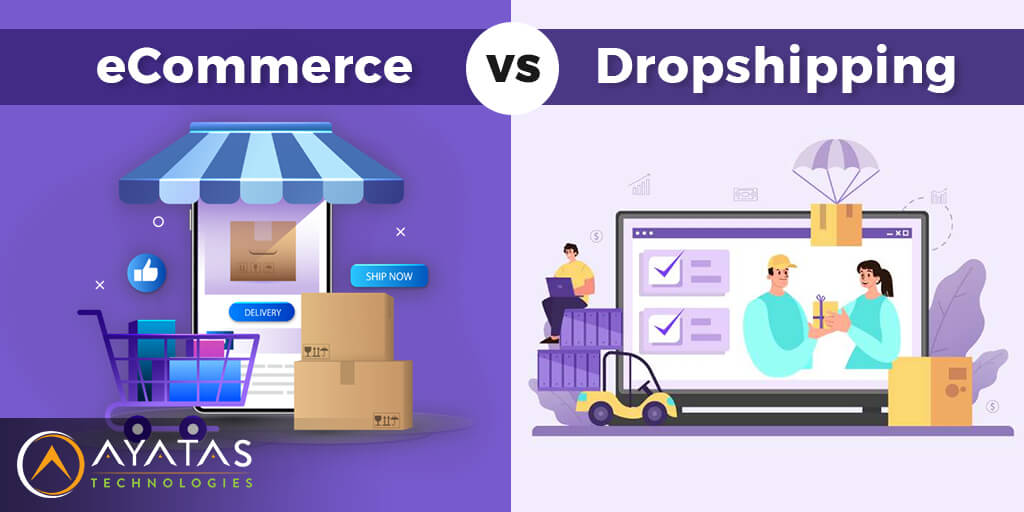
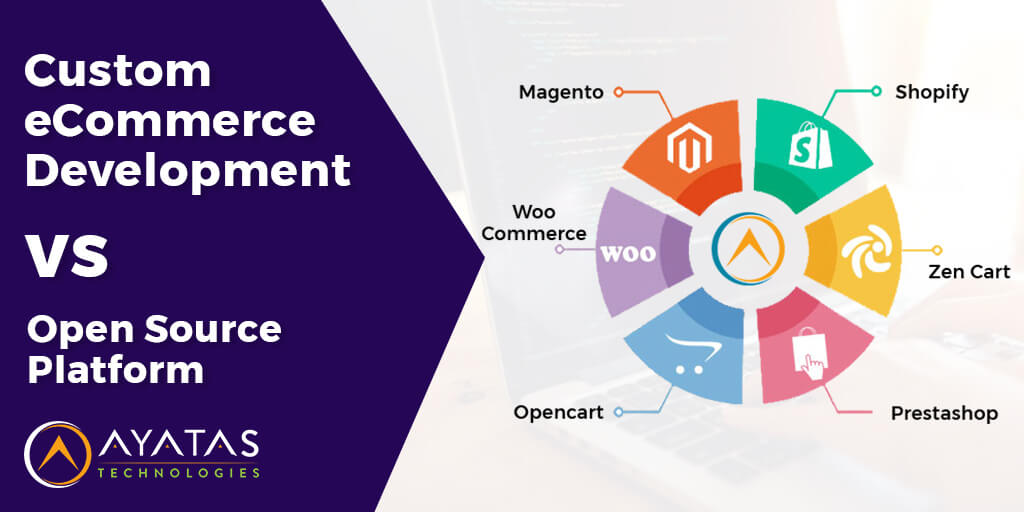
Step 10: Evaluate Platform Types (SaaS vs Open-Source vs Enterprise)
SaaS platforms offer simplicity and managed infrastructure. Open-source platforms provide full ownership and customization. Enterprise solutions handle complex workflows and scale. Choose based on your technical capacity, growth ambition, and operational complexity—not popularity.
Understanding platform types helps clarify decisions.
- SaaS Platforms
- Fully hosted
- Easy setup
- Lower technical burden
- Subscription-based
Best for:
- Startups
- D2C brands
- Businesses prioritizing simplicity
Open-Source Platforms
- Full ownership
- High customization
- Requires hosting and technical management
Best for:
- SEO-heavy businesses
- Complex business models
- Long-term customization needs
Enterprise Platforms
- Built for large-scale operations
- Advanced workflows
- Higher cost
Best for:
- Large B2B businesses
- Multi-brand global companies
- High-complexity commerce
Step 11: Evaluate Migration Risks
If you’re switching platforms, consider transferring product data, customer accounts, order history, and preserving SEO. Poor migration can damage rankings and revenue. A strategic migration plan ensures a smooth transition without losing traffic or business continuity.
If you already have an online store, migration is a major consideration.
Check:
- Product data transfer
- URL structure changes (SEO impact)
- Customer data migration
- Order history preservation
- Downtime risks
Migration planning must be strategic to avoid ranking and revenue loss.
Step 12: Create a Decision Framework
Instead of guessing, score each platform based on scalability, SEO strength, customization, cost, and ease of use. Prioritize factors aligned with your business goals. A structured comparison prevents emotional decisions and helps you confidently select the right platform.
Instead of guessing, score platforms based on:
- Scalability (1–5)
- SEO capabilities (1–5)
- Customization (1–5)
- Cost (1–5)
- Ease of management (1–5)
Choose the platform that aligns most closely with your business priorities—not the one with the highest overall score.
Conclusion
Choosing the right e-commerce platform is a critical decision—but implementing it correctly is what truly drives growth. That’s where Ayatas Technologies, established in 2006, makes the difference. With over 18 years of experience, Ayatas helps businesses evaluate, build, and scale the right e-commerce solutions based on strategy—not guesswork. From platform selection and custom development to SEO, performance optimization, and long-term support, we ensure your online store is built for scalability and profitability. Talk to our experts, request a demo, or share your requirements to receive a tailored proposal within 24 hours.
Our team helps you:
- Evaluate the best platform for your business goals
- Plan a scalable e-commerce architecture
- Ensure SEO-ready implementation
- Optimize performance and conversions
- Migrate safely without losing rankings or revenue
The right platform is important—but the right implementation partner makes the real difference. If you’re ready to move forward confidently, talk to our e-commerce experts, request a platform demo, or share your requirements to receive a tailored proposal within 24 hours. Let’s build an e-commerce solution that grows with your business.