Table of Contents
The skincare industry in North America is evolving faster than ever. Consumers in the US and Canada are no longer buying products based only on branding or packaging — they expect personalized experiences, ingredient transparency, fast delivery, mobile-first shopping, and social proof before making a purchase.
For skincare brands using Shopify, this creates a major opportunity. Shopify continues to dominate beauty and wellness eCommerce because of its flexibility, app ecosystem, AI-powered tools, and scalability for both startup and enterprise brands.
But launching a Shopify store is only the beginning.
To grow skincare sales consistently in 2026, brands need a strategy that combines conversion optimization, customer retention, social commerce, SEO, influencer marketing, automation, and trust-building.
In this guide, Ayatas Technologies breaks down the most effective Shopify eCommerce skin product sales strategies specifically for US and Canadian skincare brands.
Why Shopify Is the Preferred Platform for Skin Care Brands
The skincare industry requires far more than a basic online storefront. Beauty consumers expect visually engaging shopping experiences, educational content, seamless checkout systems, and personalized product recommendations. Shopify has become the preferred platform because it supports all these requirements while remaining scalable for growing businesses.
Beauty and skincare businesses need more than a simple online store.
They need a platform that supports:
- Subscription models
- Mobile shopping
- Influencer-driven traffic
- Product education
- Personalized recommendations
- Fast checkout experiences
- Multi-channel selling
- Customer retention automation
Shopify excels in all these areas.
One of Shopify’s biggest advantages is its simplicity. Skin care brands can manage products, inventory, payments, shipping, customer interactions, and marketing campaigns from a centralized dashboard. This allows founders and marketing teams to focus on growth rather than technical complexity.
Another major reason Shopify works so well for skincare businesses is its mobile-first infrastructure. Since a large percentage of beauty shoppers browse products through smartphones after discovering them on social media platforms like TikTok or Instagram, mobile optimization directly impacts conversions. Shopify themes are designed to provide responsive layouts, fast loading speeds, and frictionless mobile checkout experiences.
The platform also integrates with advanced marketing and customer retention tools. Popular Shopify integrations such as Klaviyo, Yotpo, Recharge, Judge.me, and Gorgias help skincare brands automate email marketing, collect reviews, manage subscriptions, and improve customer service.
For growing skincare businesses, Shopify’s scalability becomes particularly important. Whether a brand is launching a small organic skincare line or operating a large direct-to-consumer beauty business, Shopify can support increasing traffic, expanding inventories, and advanced marketing strategies without requiring a complete platform migration.
1. Build a Skin Care Brand Identity Before Selling Products
One of the most common mistakes skincare startups make is prioritizing products while neglecting brand identity. In the modern beauty market, consumers buy into stories, values, and emotional connections just as much as they buy products.
North American skincare consumers want to understand what a brand represents before they trust it with their skin. They want transparency regarding ingredients, ethical sourcing, sustainability practices, scientific backing, and brand philosophy.
A successful Shopify skincare store should clearly communicate:
- the mission behind the brand,
- the problems the products solve,
- the target audience,
- the ingredient philosophy,
- and the long-term vision of the company.
Strong branding creates emotional trust, which is essential in skincare marketing because customers are often cautious about trying new products.
Your “About Us” page should not feel like an afterthought. Instead, it should explain why the brand exists, what inspired its creation, and how it aims to improve customers’ skincare experiences. Storytelling plays a critical role in building long-term loyalty.
Visual consistency is equally important. High-performing skincare brands maintain a cohesive visual identity across their Shopify store, social media channels, packaging, and advertising campaigns. Minimalist layouts, soft neutral colors, clean typography, and premium photography are especially effective in the beauty industry because they create a sense of professionalism and trust.
2. Optimize Your Shopify Store for Mobile Shopping
Mobile commerce dominates the skincare industry. Most consumers discover beauty products while scrolling through social media content on their phones, and many complete purchases directly from mobile devices.
If your Shopify skincare store is not fully optimized for mobile users, you risk losing a significant percentage of potential customers.
Website speed is one of the most important factors affecting mobile conversions. Slow-loading stores frustrate users and increase bounce rates dramatically. Even small delays in page loading can reduce conversion rates and negatively affect SEO rankings.
To improve speed performance, skincare brands should compress images, reduce unnecessary scripts, optimize apps, and use lightweight themes. Fast-loading stores not only create better customer experiences but also improve advertising efficiency and search engine visibility.
Navigation should also remain simple and intuitive. Mobile users should be able to browse products by concern, skin type, ingredient, or category without confusion. Overcrowded menus create friction and reduce engagement.
Product pages should include sticky add-to-cart buttons, simplified checkout systems, and mobile payment options such as Apple Pay, Google Pay, PayPal, and Shop Pay. These features reduce purchasing friction and increase completed transactions.
3. Create High-Converting Product Pages
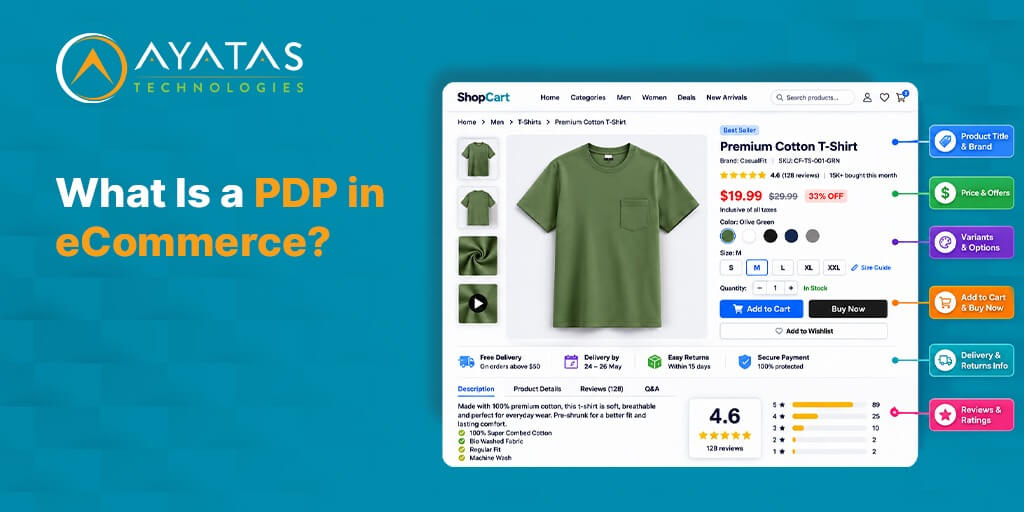
Product pages are the core revenue-generating pages of every skincare Shopify store. Unlike physical retail stores, where customers can test products directly, online shoppers rely entirely on digital information to make decisions.
For this reason, skincare product pages must focus heavily on trust-building and education.
Ingredient Transparency
Ingredient transparency has become essential in modern skincare eCommerce. Consumers actively research ingredients and expect brands to explain how formulations work. Rather than using vague descriptions such as “hydrating cream,” successful brands clearly explain the active ingredients, their functions, and their benefits.
Before-and-After Images
For example, instead of saying a product “improves hydration,” it is far more effective to explain that the product contains hyaluronic acid and ceramides designed to strengthen the skin barrier and retain moisture.
Visual proof is equally important. Before-and-after images help customers visualize realistic results and reduce hesitation. Authentic customer-submitted photos often perform better than heavily edited promotional imagery because they appear more trustworthy.
Product Education
Educational videos also significantly improve product page engagement. Demonstration videos, ingredient breakdowns, skincare routine tutorials, and texture close-ups help customers understand products more effectively and increase purchase confidence.
Customer Reviews
Customer reviews remain one of the strongest conversion drivers in skincare eCommerce. Detailed reviews that describe skin type, usage experience, texture, and visible results provide valuable reassurance for new buyers.
An FAQ section should also address common concerns such as compatibility with sensitive skin, usage frequency, expected results timelines, and ingredient safety. This reduces customer uncertainty while lowering support inquiries.
4. Use Content Marketing to Drive Organic Traffic
Content marketing remains one of the most profitable long-term growth strategies for Shopify skincare brands. Consumers constantly search online for skincare advice, ingredient education, and product recommendations.
This creates enormous opportunities for beauty brands to attract organic traffic through SEO-focused content.
Educational blog articles help skincare brands establish authority while targeting high-intent search keywords. Topics such as acne treatment routines, anti-aging skincare guides, retinol usage, skin barrier repair, and ingredient comparisons attract users actively seeking solutions.
Ingredient-focused content performs especially well because modern consumers want to understand what they apply to their skin. Detailed educational content about niacinamide, vitamin C, hyaluronic acid, peptides, ceramides, and retinol can drive consistent organic traffic while positioning the brand as a trusted source of skincare knowledge.
Seasonal content is particularly effective in North America. Canadian winters, dry climates, summer UV exposure, and seasonal skincare adjustments create recurring search demand throughout the year. Brands that publish relevant seasonal content can consistently capture highly targeted traffic.
Strong content marketing not only improves SEO rankings but also supports email marketing, social media campaigns, and customer retention by continuously educating consumers.
5. Invest in Influencer & Creator Marketing
The skincare industry has become one of the most creator-driven sectors in digital commerce. Platforms such as TikTok, Instagram, YouTube, and Pinterest heavily influence beauty purchasing decisions.
Consumers trust creators because skincare demonstrations feel more authentic and relatable than traditional advertising.
Micro-influencers are particularly effective for skincare marketing because they often maintain stronger audience engagement and credibility than large celebrity influencers. Their communities tend to trust their recommendations more deeply, especially within niche skincare categories.
Brands should focus on building long-term creator relationships instead of one-time sponsored posts. Ongoing partnerships generate more authentic content and stronger audience familiarity over time.
User-generated content has also become one of the highest-converting forms of skincare marketing. Customers posting routine videos, transformation journeys, unboxing clips, and honest reviews create valuable social proof that can be repurposed across Shopify product pages, paid ads, email campaigns, and social media channels.
Affiliate marketing programs provide another scalable strategy. By rewarding creators for conversions, skincare brands can expand reach while maintaining performance-based marketing costs.
TikTok Shop integration is becoming increasingly important for beauty brands because short-form video commerce is driving major purchasing behavior among younger consumers.
6. Implement Advanced Email and SMS Marketing Automation
Most skincare shoppers do not purchase products during their first visit. Without retention systems, brands lose substantial revenue opportunities. Email and SMS marketing automation help nurture visitors, educate potential buyers, and encourage repeat purchases.
A strong welcome email sequence should introduce subscribers to the brand story, explain best-selling products, provide social proof, and educate customers about skincare solutions. This initial onboarding process plays a critical role in building trust.
Abandoned cart automation is essential because many skincare shoppers browse extensively before purchasing. Effective cart recovery emails should combine reminders, customer reviews, educational messaging, and urgency-driven incentives.
Post-purchase email flows are equally important. Customers often need guidance on product application, routine integration, and expected results timelines. Educational post-purchase communication improves satisfaction while reducing refund rates and negative reviews.
Replenishment reminders work especially well in skincare because products require regular repurchasing. Automated reminders for moisturizers, serums, cleansers, and sunscreen products help increase repeat purchase rates significantly.
SMS marketing complements email campaigns by delivering immediate engagement for flash sales, restock alerts, VIP launches, and limited-time promotions.
7. Focus on Customer Retention Instead of Only Customer Acquisition
Many skincare brands spend heavily on advertising while neglecting retention strategies. However, retaining existing customers is far more profitable than continuously acquiring new ones.
Skincare naturally supports repeat purchases because products are consumed regularly. This makes retention-focused business models particularly valuable.
Subscription programs provide predictable recurring revenue while improving customer lifetime value. “Subscribe and save” offers encourage automatic replenishment while reducing churn.
Routine bundles are another effective retention strategy. Instead of selling individual products separately, skincare brands can package complete routines for hydration, acne treatment, anti-aging, or sensitive skin care. Bundles increase average order value while simplifying the customer decision-making process.
Loyalty programs also strengthen retention by rewarding repeat purchases, referrals, reviews, and social engagement. Customers who feel appreciated are significantly more likely to remain loyal over time. Personalization plays an increasingly important role in retention as well. AI-powered product recommendations, skin quizzes, and personalized routines help customers feel understood while increasing satisfaction and conversion rates.
8. Invest in SEO for Sustainable Long-Term Growth
Paid advertising costs continue rising across Meta, Google, and TikTok platforms. While paid campaigns remain important, sustainable skincare brands must also invest heavily in SEO.
SEO allows Shopify skincare stores to attract organic traffic from consumers actively searching for skincare solutions.
Product pages should target search-friendly keywords naturally while maintaining readability. Collection pages should focus on broader commercial keywords such as “anti-aging skincare,” “acne treatment products,” or “sensitive skin moisturizers.”
Internal linking between blog content, collection pages, and product pages strengthens website authority while improving navigation. Structured data markup is also important because it helps search engines understand product pricing, ratings, reviews, and availability. This improves search visibility and click-through rates.
Unlike paid advertising, SEO creates long-term compounding growth. Well-optimized skincare content can continue generating traffic and sales for years after publication.
9. Expand Into Omnichannel Selling
Modern skincare customers interact with brands across multiple digital touchpoints before making a purchase. A customer may discover a product through TikTok, research ingredients on Google, read Instagram reviews, and eventually purchase through Shopify.
Successful skincare brands maintain consistent messaging and experiences across every channel.
TikTok Shop has become especially important for viral skincare trends and impulse-driven purchases. Instagram remains highly valuable for visual storytelling and community engagement. Amazon supports search-driven discovery and subscription scaling, while retail partnerships can strengthen brand credibility further.
An omnichannel strategy allows skincare brands to meet customers wherever they prefer to shop while increasing visibility and trust.
10. Use Analytics and Data to Improve Performance
The most successful Shopify skincare brands rely heavily on analytics to optimize growth strategies.
Data helps identify:
- which products convert best,
- where customers drop off,
- What marketing campaigns generate the highest ROI?
- and which retention strategies improve customer lifetime value.
Important metrics include conversion rate, average order value, repeat purchase rate, customer acquisition cost, customer lifetime value, and return on ad spend.
Brands that consistently analyze and optimize these metrics scale more efficiently than businesses relying solely on assumptions.
11. Use AI Personalization to Increase Conversions
AI personalization is becoming a major growth driver for Shopify skincare brands. Modern consumers expect personalized shopping experiences rather than generic product recommendations.
One of the most effective AI tools for skincare stores is the skin quiz. These quizzes ask users about:
- skin type,
- concerns,
- sensitivity,
- lifestyle,
- and skincare goals
before recommending suitable products and routines.
This improves customer confidence and reduces decision fatigue.
AI can also analyze browsing behavior and purchase history to recommend complementary products, personalized bundles, and replenishment reminders. These smart recommendations increase average order value and improve retention.
Many skincare brands are also using AI chatbots to answer customer questions instantly regarding ingredients, routine compatibility, shipping, and product usage. Faster responses improve customer experience while reducing support workload.
As personalization becomes a standard expectation in beauty eCommerce, AI-driven shopping experiences will play an increasingly important role in improving conversions and long-term customer loyalty.
12. Build Trust Through Reviews & Social Proof
Trust is essential in skincare eCommerce because customers are cautious about trying new products on their skin. Reviews and social proof help reduce hesitation and improve purchase confidence.
Detailed customer reviews that mention:
- skin type,
- visible results,
- product texture,
- and usage experience
perform far better than short generic testimonials.
Photo reviews and video testimonials are especially effective because they provide authentic visual proof.
User-generated content should be displayed throughout the Shopify store, including:
- product pages,
- homepage sections,
- social media,
- and email campaigns.
Influencer reviews also strengthen credibility by showing real product usage and honest feedback.
Brands should additionally highlight certifications such as:
- cruelty-free,
- vegan,
- dermatologist tested,
- and clinically tested
to reassure buyers.
Strong social proof creates trust, increases conversions, and improves long-term customer loyalty.
13. Prioritize Authenticity & Transparency
Modern skincare consumers value honesty and transparency more than aggressive marketing claims. Customers now research ingredients, compare formulations, and evaluate brand ethics before purchasing.
Successful skincare brands clearly explain:
- ingredient benefits,
- product usage,
- expected results,
- and formulation details.
Instead of making unrealistic promises, brands should focus on educating customers and setting realistic expectations. Authentic customer photos, genuine testimonials, and unfiltered before-and-after results help build credibility.
Transparency should also extend to:
- pricing,
- shipping policies,
- sustainability practices,
- and cruelty-free commitments.
Consumers are more likely to trust brands that communicate openly and prioritize education over hype-driven marketing. In the long run, authenticity strengthens brand reputation and customer retention.
14. Offer Faster Shipping & Better Customer Experience
Customer experience plays a major role in skincare eCommerce success. Even high-quality products can struggle if shipping and support experiences are poor.
Modern customers expect:
- fast shipping,
- easy returns,
- order tracking,
- and responsive customer support.
Clear communication regarding delivery timelines helps reduce frustration and build trust. Offering multiple shipping options allows customers to choose between affordability and faster delivery.
Customer support should remain accessible through:
- live chat,
- email,
- FAQs,
- and AI chatbots.
Post-purchase communication is equally important. Brands should continue engaging customers through:
- skincare tips,
- usage guides,
- replenishment reminders,
- and loyalty rewards.
A smooth customer experience increases satisfaction, repeat purchases, referrals, and long-term brand loyalty.
Future Trends Shaping Shopify Skin Care Commerce in 2026
The skincare industry continues evolving rapidly, and brands that adapt early will gain major competitive advantages.
AI-powered personalization is becoming standard in beauty eCommerce. Customers increasingly expect tailored recommendations based on skin concerns, climate, lifestyle, and purchasing behavior.
Community-driven brands are also outperforming purely transactional businesses. Consumers want connection, education, and interaction rather than simple product catalogs.
Ingredient transparency, sustainability, and ethical sourcing continue growing in importance among North American consumers. Brands that communicate these values authentically build stronger long-term loyalty.
Personalized skincare routines, subscription commerce, and creator-led social commerce are expected to dominate the next phase of beauty eCommerce growth.
Final Thoughts
The Shopify skincare market is becoming increasingly competitive. Still, the growth opportunities remain enormous for brands that build trust and deliver exceptional customer experiences.
Modern consumers in the US and Canada are actively searching for skincare brands that provide:
- educational value,
- ingredient transparency,
- personalized recommendations,
- authentic customer experiences,
- and seamless digital shopping journeys.
Success in 2026 will not come from simply launching products online. It will come from building a brand ecosystem that combines storytelling, trust-building, mobile optimization, influencer partnerships, SEO, automation, and long-term customer retention.
At Ayatas Technologies, we help skincare and beauty brands build high-performing Shopify eCommerce experiences tailored specifically for the North American market. From Shopify development and SEO to automation, conversion optimization, and growth marketing, our team helps beauty businesses scale sustainably in today’s competitive digital landscape.