Table of Contents
The eCommerce industry in 2026 is evolving faster than ever. Businesses are no longer competing solely on product pricing or marketing campaigns. Today, success depends heavily on delivering exceptional digital experiences, fast-loading storefronts, frictionless checkout journeys, and seamless omnichannel interactions.
As consumer expectations continue to rise, many businesses are realizing that their existing eCommerce platforms are holding them back. Slow websites, plugin conflicts, expensive maintenance costs, poor scalability, and outdated user experiences are becoming major barriers to growth.
This is why thousands of businesses across the United States are migrating to Shopify.
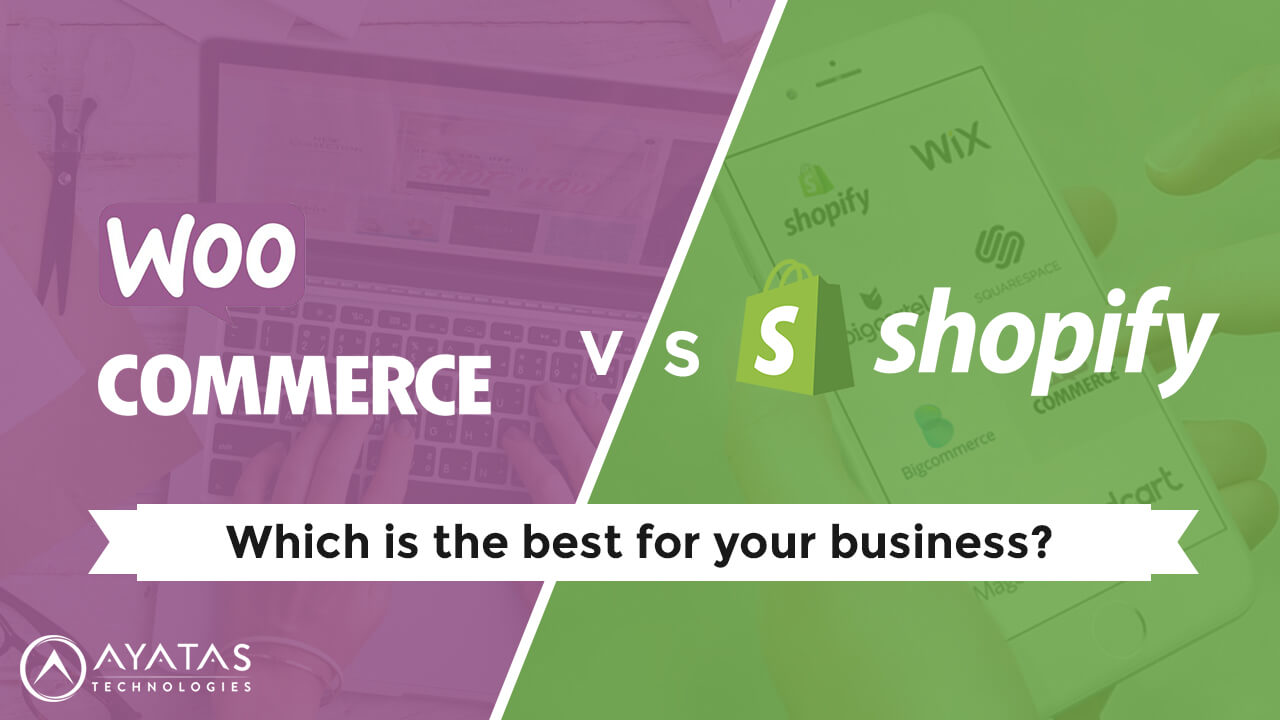
At Ayatas Technologies, we help brands successfully migrate from Magento, WooCommerce, BigCommerce, Wix, Squarespace, and custom-built systems to high-performing Shopify ecosystems designed for long-term scalability.
This guide explores the most important strategies, best practices, and migration tips businesses should follow when moving to Shopify in 2026.
Why Businesses Are Migrating to Shopify in 2026
Modern commerce requires flexibility, speed, and operational efficiency. Businesses need platforms capable of supporting personalization, AI-driven shopping experiences, subscription commerce, mobile-first browsing, and advanced automation. Businesses that fail to meet these expectations often struggle with declining conversion rates, poor customer retention, and rising operational inefficiencies.
Many traditional eCommerce platforms were not built to support the speed and flexibility required in today’s market. Businesses operating on outdated systems often face ongoing maintenance issues, plugin conflicts, security vulnerabilities, and expensive development cycles. These problems not only affect internal operations but also create friction for customers.
Shopify Has Become a Complete Commerce Ecosystem
Unlike older systems that require constant maintenance and technical management, Shopify simplifies eCommerce operations through a fully managed infrastructure.
Key Advantages of Shopify
| Feature | Traditional Platforms | Shopify |
|---|---|---|
| Hosting Management | Manual | Fully Managed |
| Security Updates | Ongoing Maintenance Required | Automatic |
| Scalability | Complex | Built for Growth |
| Mobile Optimization | Often Requires Custom Work | Native Mobile-First |
| Checkout Optimization | Limited | High-Converting Checkout |
| App Ecosystem | Fragmented | Extensive Integration Marketplace |
| Performance Optimization | Server Dependent | Optimized Infrastructure |
Signs Your Existing Website Needs Migration
Many businesses continue using outdated systems long after those platforms stop supporting growth effectively. Here are some of the most common indicators that it may be time to migrate to Shopify.
1. Slow Website Performance
Modern consumers expect websites to load within seconds. Slow-loading pages increase bounce rates, reduce engagement, and negatively affect search rankings.
2. Rising Maintenance Costs
Legacy platforms often require continuous developer involvement, plugin management, and server maintenance.
3. Poor Mobile Experience
Mobile commerce dominates the U.S. market in 2026. If your current website does not deliver a seamless mobile experience, conversions will suffer.
4. Security and Stability Issues
Outdated plugins and unsupported systems can create serious security vulnerabilities.
5. Limited Scalability
Many businesses outgrow their original platforms as product catalogs, traffic, and operational complexity increase.
The Real Challenges of Shopify Migration
Website migration is much more complex than simply transferring products from one platform to another.
An eCommerce website contains years of accumulated SEO authority, indexed URLs, customer data, analytics history, content assets, and operational integrations. Mishandling any of these elements can lead to traffic loss, broken functionality, or customer experience issues.
Search engines may struggle to recognize newly migrated pages if redirects are not implemented properly. Product URLs may change unexpectedly. Metadata can disappear. Internal linking structures may break. Customer login experiences can become inconsistent. Even minor checkout issues can create measurable revenue loss.
Common Migration Risks
| Migration Area | Potential Risk |
|---|---|
| SEO | Ranking drops and traffic loss |
| URLs | Broken pages and indexing issues |
| Customer Accounts | Login and account access problems |
| Product Data | Missing variants or inaccurate inventory |
| Checkout | Payment or shipping errors |
| Integrations | CRM and ERP connection failures |
| Analytics | Broken tracking and attribution |
A successful migration requires strategic planning, technical expertise, and rigorous testing.
The Importance of Pre-Migration Planning
Defining business goals is equally important. Some companies migrate to improve conversions. Others prioritize mobile usability, operational scalability, SEO improvements, or international expansion. Understanding these objectives helps shape the migration strategy and ensures the new Shopify environment supports long-term growth.
A structured migration plan should include
- Website auditing
- SEO analysis
- Data cleanup
- Design planning
- Integration mapping
- QA testing
- Redirect implementation
- Performance optimization
One of the biggest differences between successful and failed migrations is the quality of the planning phase. Businesses that rush into migration without a detailed roadmap often encounter avoidable issues after launch.
A comprehensive pre-migration strategy should begin with a full audit of the existing website. This includes reviewing the product catalog, URL structures, indexed pages, customer accounts, order history, blog content, integrations, analytics configurations, and SEO performance. Understanding the current ecosystem allows businesses to identify critical assets that must be preserved during migration.
Pre-migration planning is also the ideal time to evaluate what is no longer serving the business effectively. Many websites accumulate outdated products, duplicate pages, weak content, broken images, and unused applications over time. Migration creates an opportunity to streamline operations and improve the overall quality of the digital storefront.
Protecting SEO During Shopify Migration
SEO preservation is one of the most critical aspects of any migration project. Organic traffic often represents a significant percentage of eCommerce revenue, especially for established brands that have invested in long-term content and search visibility strategies.
When migrating to Shopify, businesses must carefully preserve the SEO equity associated with their existing website. Search engines rely on URL structures, metadata, internal links, content consistency, and crawlability to understand and rank pages. Sudden disruptions to these elements can negatively affect rankings.
Some of the most common SEO migration mistakes include:
- Missing redirects
- Broken internal links
- Duplicate content
- Missing metadata
- Incorrect canonical tags
- Lost schema markup
Best Practices for SEO-Safe Shopify Migration
- Maintain Existing URL Structures
- Whenever possible, preserve your current URLs to minimize indexing disruptions.
- Implement Proper 301 Redirects
- Every old page should redirect to its new equivalent page.
- Preserve Metadata
Ensure all critical SEO elements are transferred correctly, including:
- Meta titles
- Meta descriptions
- Alt text
- Canonical tags
- Structured data
- Header hierarchy
Monitor Search Performance Post-Launch
After launch, businesses should actively monitor performance using:
- Google Search Console
- Google Analytics
Product Data Migration Requires More Than Simple Imports
Product migration is often one of the most time-intensive aspects of moving to Shopify. Large product catalogs may contain thousands of SKUs, multiple variants, complex collections, customer reviews, custom attributes, and
inventory relationships.
Simply importing raw product data into Shopify rarely delivers optimal results. Migration should also be viewed as an opportunity to improve product presentation, organization, and discoverability.
Many businesses use migration as a chance to rewrite product descriptions, optimize SEO content, improve product imagery, and standardize category structures. This can significantly enhance both user experience and search engine visibility.
Product organization also plays an important role in conversion optimization. Clear navigation structures, logical collections, advanced filtering systems, and intelligent search functionality all contribute to improved customer experiences. Shopify’s ecosystem makes it easier to implement these modern merchandising strategies compared to many older platforms.
Variant management must also be handled carefully during migration. Sizes, colors, materials, SKUs, pricing rules, and inventory synchronization should be tested thoroughly before launch to ensure operational accuracy.
Customer Experience Should Drive Every Migration Decision
The most successful Shopify migrations focus not only on technical accuracy but also on improving customer experience. Modern consumers have very little patience for slow websites, confusing navigation, or complicated checkout processes.
A migration project presents an opportunity to redesign the customer journey from the ground up. Businesses can simplify navigation structures, improve product discovery, optimize mobile interactions, and create more intuitive checkout flows.
In 2026, mobile-first design is no longer optional. A significant majority of eCommerce traffic in the United States originates from smartphones and tablets.
Shopify’s responsive architecture allows businesses to deliver consistent mobile experiences with:
- Faster loading speeds
- Simplified navigation
- Mobile-friendly checkout
- Responsive product pages
- Improved accessibility
Checkout optimization is another major advantage of migrating to Shopify. Streamlined checkout experiences can significantly improve conversion rates by reducing friction during the purchase process.
Shopify supports
| Shopify Checkout Feature | Business Benefit |
|---|---|
| Shop Pay | Faster Checkout |
| Guest Checkout | Reduced Friction |
| Multiple Payment Methods | Improved Convenience |
| Mobile Wallets | Better Mobile Conversions |
| Dynamic Shipping Options | Improved User Experience |
Trust-building elements also play an increasingly important role in conversion optimization. Modern Shopify stores often incorporate customer reviews, social proof, user-generated content, transparent shipping policies, and personalized recommendations to improve purchase confidence.
Integrations are Essential to Modern eCommerce Operations
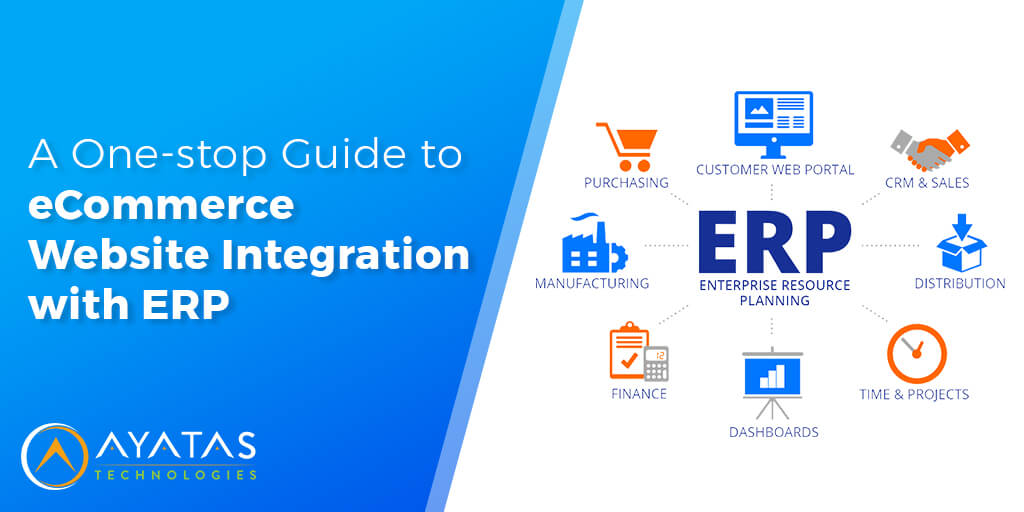
Today’s eCommerce businesses operate within interconnected technology ecosystems. Migration planning must account for all third-party systems that support day-to-day operations. This includes integrations for inventory management, accounting, CRM platforms, marketing automation, shipping systems, subscription services, analytics tools, and customer support software.
For example, many businesses integrate Shopify with platforms such as Klaviyo for email marketing automation, Mailchimp for audience engagement, or ERP systems for operational management. Ensuring these integrations function correctly after migration is essential for business continuity.
Analytics configurations must also be validated carefully. Businesses should confirm that conversion tracking, attribution models, advertising pixels, and event tracking systems are implemented correctly before launch. Accurate analytics data is critical for measuring performance and optimizing marketing campaigns.
Common Shopify Migration Mistakes Businesses Still Make
Launching Without Proper QA Testing
Despite the growing popularity of Shopify migrations, many businesses continue to make avoidable mistakes that negatively affect performance.
One of the most common problems is launching without proper quality assurance testing. Every aspect of the new store should be tested extensively, including checkout flows, mobile responsiveness, payment processing, navigation, search functionality, shipping calculations, and customer account experiences.
Another major mistake is neglecting technical SEO validation. Missing redirects, broken canonical tags, indexing issues, duplicate content, and incorrect structured data can severely impact search visibility after launch.
Overloading the Store With Apps
Businesses also sometimes overload their new Shopify stores with unnecessary applications. While Shopify’s ecosystem is highly flexible, excessive apps can reduce website speed and create operational complexity. A carefully curated technology stack usually delivers better long-term performance.
Copying Old Problems Into the New Store
Some companies also fail to optimize content during migration. Simply copying outdated content into a new platform misses an important opportunity to improve SEO, strengthen brand positioning, and enhance customer engagement.
Why Professional Shopify Migration Services Matter
While Shopify is known for its ease of use, large-scale migrations are highly technical projects that require experience across multiple disciplines, including SEO, UX design, development, data architecture, and eCommerce strategy.
Professional migration specialists help businesses avoid costly mistakes while accelerating the transition process. An experienced Shopify migration team can identify hidden risks, preserve SEO authority, optimize performance, and ensure operational continuity throughout the project lifecycle.
At Ayatas Technologies, our Shopify migration services are designed to help businesses transition confidently from legacy systems to scalable modern commerce ecosystems.
Our Migration Solutions Include
| Service Area | Included Solutions |
|---|---|
| Shopify Migration Strategy | Platform Transition Planning |
| SEO Preservation | Redirects, Metadata, URL Mapping |
| Custom Shopify Development | Tailored Storefront Experiences |
| Shopify Plus Solutions | Enterprise-Level Commerce |
| Integration Services | CRM, ERP, Marketing Automation |
| Conversion Optimization | UX and Checkout Improvements |
| Performance Optimization | Core Web Vitals Enhancement |
| Post-Launch Support | Monitoring and Optimization |
We work closely with brands across the United States to create migration strategies that prioritize long-term growth, conversion optimization, and technical stability. We provide end-to-end Shopify migration services tailored for growing U.S. businesses.
Final Thoughts
Migrating an existing website to Shopify in 2026 is not simply a technology upgrade. It is a strategic investment in the future of your business. As consumer expectations continue to evolve, businesses need eCommerce platforms that can support personalization, scalability, operational efficiency, and seamless customer experiences. Shopify provides the infrastructure and flexibility required to compete effectively in today’s digital commerce environment.
However, the success of a Shopify migration depends heavily on planning, technical execution, SEO preservation, and customer-focused design. Businesses that approach migration strategically can improve website performance, strengthen search visibility, simplify operations, and increase revenue potential.
Whether you are migrating from WooCommerce, Magento, BigCommerce, Wix, or a custom-built platform, partnering with experienced Shopify migration experts can help ensure a smooth transition while protecting your rankings, customers, and business continuity.
If your business is preparing for a Shopify migration in 2026, Ayatas Technologies can help you build a scalable, high-performing eCommerce ecosystem designed for long-term growth in the competitive U.S. market.