Table of Contents
In the competitive world of online shopping, your product pages can make or break a sale. Customers no longer rely on in-store sales associates to explain product benefits or answer questions. Instead, they depend entirely on the information, visuals, reviews, and experience provided on your website. That’s why the Product Detail Page (PDP) has become one of the most important elements of any successful eCommerce business.
A well-designed and optimized PDP helps shoppers make informed buying decisions quickly and confidently. It can significantly improve conversions, reduce cart abandonment, increase search visibility, and strengthen customer trust.
In this guide, we’ll explain what a PDP is, why it matters, the key elements of a high-converting product page, and how businesses can optimize PDPs for better SEO and higher revenue.
What is a PDP in eCommerce?
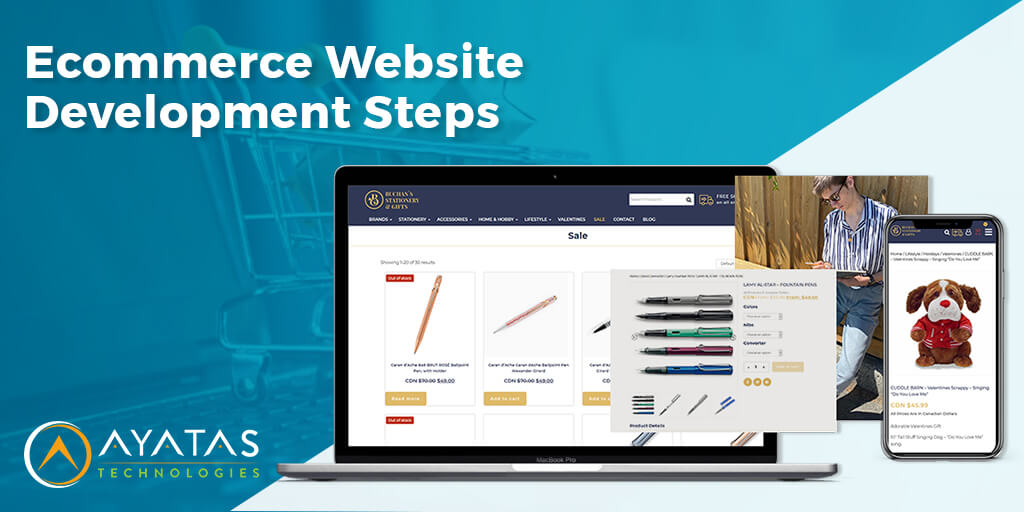
A Product Detail Page (PDP) is the dedicated webpage on an eCommerce website that provides complete information about a specific product. It is the page customers land on after clicking a product from category pages, search results, social media ads, email campaigns, or recommendation sections.
A PDP serves as the digital equivalent of an in-store product experience. Since online shoppers cannot physically touch, test, or inspect products, the PDP must provide everything needed to help users confidently complete a purchase.
A standard PDP typically includes:
- Product title
- Product images and videos
- Pricing information
- Product descriptions
- Specifications
- Customer reviews
- Shipping and return information
- Inventory status
- Product variants such as size or color
- Add-to-cart and checkout buttons
The main goal of a PDP is to move customers from product interest to purchase.
Why PDPs Matter in eCommerce
Your product detail page is where purchasing decisions are made. Even if your marketing campaigns successfully drive traffic to your website, poorly optimized PDPs can cause users to leave without buying.
An effective PDP helps businesses:
Increase Conversion Rates
A well-structured PDP reduces uncertainty and provides customers with the confidence they need to complete purchases. Clear product information, trust signals, and compelling visuals all contribute to higher conversions.
Improve Customer Trust
Detailed descriptions, reviews, transparent policies, and high-quality images create credibility. Customers are more likely to buy from brands that provide complete and accurate information.
Reduce Bounce Rates
Engaging PDPs encourages users to spend more time exploring products rather than leaving the site quickly. Better engagement signals also positively impact SEO performance.
Lower Product Return Rates
Incomplete or misleading product information often results in returns. Detailed specifications, accurate sizing, and realistic visuals help customers know exactly what they are purchasing.
Improve SEO Performance
Optimized PDPs can rank in Google search results for product-related queries, helping businesses attract organic traffic and reduce dependence on paid advertising.
Increase Average Order Value
Cross-selling and upselling opportunities on PDPs encourage customers to purchase related products, bundles, or upgrades.
Key Elements of a High-Converting PDP
1. High-Quality Product Images
Product visuals are one of the most important conversion factors in eCommerce. Customers want to see exactly what they are purchasing before making a decision.
Best Practices for Product Images
Multiple Product Angles
Show products from different perspectives, including front, side, back, and close-up views.
Zoom Functionality
Allow customers to zoom in and inspect textures, materials, and finer details.
Lifestyle Images
Display products in real-world scenarios to help customers visualize usage.
360-Degree Product Views
Interactive product rotations provide a more immersive shopping experience.
Product Videos
Videos demonstrate how products work, fit, or look in motion.
Consistent Image Quality
Maintain consistent lighting, sizing, and formatting across all product images.
High-quality visuals reduce uncertainty and significantly improve purchase confidence.
2. Clear and Optimized Product Titles
Your product title should instantly communicate what the product is and include important searchable keywords.
Strong Product Titles Typically Include:
- Brand name
- Product category
- Key feature
- Product variation
- Size or model information
Example:
Men’s Waterproof Hiking Jacket – Lightweight Outdoor Raincoat
Why Product Titles Matter
- Improve SEO rankings
- Enhance internal search accuracy
- Help users quickly understand products
- Improve accessibility and usability
Avoid vague or overly short product titles that fail to provide enough context.
3. Detailed Product Descriptions
Product descriptions should do more than list specifications. They should explain the value and benefits customers receive from the product.
Effective Product Descriptions Should Include:
Product Features
Explain materials, dimensions, technical specifications, and included components.
Customer Benefits
Focus on how the product solves problems or improves the user’s experience.
Usage Instructions
Provide clear guidance on how to use or maintain the product.
Compatibility Information
Mention devices, accessories, or systems the product works with.
Warranty and Care Details
Offer information about durability, maintenance, and support.
Example:
Instead of:
“Made with breathable fabric.”
Use:
“The lightweight moisture-wicking fabric keeps you cool and comfortable during long outdoor activities, making it ideal for hiking and travel.”
Detailed and benefit-driven descriptions improve both SEO and conversions.
4. Transparent Pricing and Discounts
Pricing information should be immediately visible and easy to understand.
Pricing Elements to Include
Original and Discounted Prices
Show savings clearly to encourage purchasing decisions.
Percentage Discounts
Highlight limited-time promotions or offers.
Subscription Pricing
If applicable, show recurring savings for subscription-based purchases.
Financing Options
Offer installment plans or buy-now-pay-later options to improve affordability.
Shipping Costs
Be transparent about shipping fees to avoid surprises during checkout.
Clear pricing builds trust and reduces cart abandonment.
5. Strong Call-to-Action (CTA)
Your CTA buttons guide customers toward the next step in the buying process.
Effective CTA Best Practices
Use Contrasting Colors
Make the button visually stand out from the page design.
Place CTAs Above the Fold
Customers should see the add-to-cart option without excessive scrolling.
Use Action-Oriented Text
Examples include:
- Add to Cart
- Buy Now
- Get Yours Today
- Shop Now
Optimize for Mobile Devices
Ensure buttons are large enough and easy to tap on smaller screens.
Add Sticky CTAs on Mobile
Persistent mobile add-to-cart buttons improve usability and conversions.
A strong CTA can significantly impact purchase completion rates.
6. Product Variants and Customization Options
Many products come in multiple variations, such as sizes, colors, styles, or configurations.
PDP Variant Optimization Tips
Use Color Swatches
Visual color selectors improve usability.
Show Variant-Specific Images
Update product images dynamically based on selected variants.
Display Inventory Status
Inform customers if certain variants are low in stock or unavailable.
Simplify Selection Processes
Avoid confusing dropdowns or excessive steps.
Poor variant experiences are one of the most common causes of abandoned purchases.
7. Customer Reviews and Ratings
Customer reviews act as social proof and help users feel more confident about purchasing.
Benefits of Product Reviews
- Build trust and credibility
- Provide real-world insights
- Improve SEO with user-generated content
- Answer common customer concerns
Features of Effective Review Sections
Star Ratings
Provide quick visual summaries of customer satisfaction.
Written Reviews
Detailed reviews offer valuable purchase insights.
Customer Photos and Videos
Authentic user-generated content increases trust.
Verified Purchase Labels
Help validate review authenticity.
Review Filtering Options
Allow users to sort reviews by rating, keyword, or relevance.
Products with strong review sections often convert significantly better.
8. Shipping, Delivery, and Return Information
Customers expect clarity before purchasing online.
Important Shipping Information to Include
Estimated Delivery Dates
Provide realistic shipping timelines.
Shipping Costs
Clearly state free shipping thresholds or delivery fees.
Return Policies
Explain return windows and conditions.
Exchange Information
Provide details on product replacements or exchanges.
International Shipping Availability
Clarify supported regions and countries.
Transparent fulfillment policies reduce hesitation and improve customer confidence.
9. Inventory and Availability Indicators
Scarcity and urgency can encourage faster purchasing decisions when used honestly.
Examples Include:
- Only 2 Left in Stock
- Selling Fast
- Limited Availability
- Ships Within 24 Hours
Benefits of Availability Messaging
- Encourages quicker decisions
- Reduces procrastination
- Improves conversion rates
Avoid fake urgency tactics that can damage customer trust.
10. Mobile Optimization
Most online shoppers now browse and purchase products through mobile devices. A poor mobile experience can severely impact sales and SEO performance.
Mobile PDP Optimization Best Practices
Fast Loading Speeds
Mobile users expect pages to load quickly.
Simplified Navigation
Reduce clutter and improve scrolling experiences.
Responsive Layouts
Ensure designs adapt seamlessly to different screen sizes.
Touch-Friendly Buttons
Buttons and forms should be easy to interact with.
Optimized Images
Compress images without sacrificing quality.
Sticky Add-to-Cart Buttons
Persistent CTAs improve mobile conversions.
Mobile-first optimization is now essential for modern eCommerce success.
How to Optimize PDPs for SEO
Product Detail Pages also play a major role in organic search visibility.
1. Optimize Product Keywords
Use relevant keywords naturally throughout the page.
Important Areas for Keywords
- Product titles
- Meta titles
- Meta descriptions
- URLs
- Headings
- Product descriptions
- Image alt text
Example Keywords
- Wireless Bluetooth headphones
- Organic skincare products
- Waterproof camping tents
Avoid keyword stuffing and prioritize readability.
2. Create Unique Product Descriptions
Using duplicate manufacturer descriptions can negatively affect SEO rankings.
Benefits of Unique Content
- Improves search engine visibility
- Helps pages rank for long-tail keywords
- Differentiates products from competitors
- Enhances customer engagement
Adding FAQs, comparisons, and usage examples further strengthens content quality.
3. Implement Structured Data (Schema Markup)
Structured data helps search engines better understand product information.
Product Schema Can Display:
- Product ratings
- Price
- Availability
- Reviews
- Discounts
Rich snippets improve visibility and click-through rates in search results.
4. Improve Page Speed
Slow-loading pages harm both SEO and user experience.
Ways to Improve PDP Speed
Compress Images
Reduce file sizes without losing quality.
Use a Content Delivery Network (CDN)
Improve loading performance across different regions.
Minimize Scripts
Remove unnecessary JavaScript and third-party apps.
Enable Lazy Loading
Load images only when needed.
Optimize Themes and Templates
Especially important for Shopify and headless commerce stores.
Faster pages lead to better engagement and higher conversions.
5. Optimize Product Images for SEO
Image optimization helps attract traffic through image search results.
Image SEO Best Practices
Use Descriptive File Names
Example:
waterproof-hiking-jacket-black.jpg
Add Alt Text
Describe images clearly using relevant keywords.
Compress Large Files
Improve loading speed.
Use Modern Image Formats
Formats like WebP improve performance.
Image SEO contributes to overall search visibility and accessibility.
Advanced PDP Optimization Strategies
AI-Powered Personalization
Modern eCommerce stores increasingly use AI to deliver personalized shopping experiences.
Personalization Features Include:
- Recommended products
- Recently viewed products
- Personalized bundles
- Dynamic pricing offers
- Smart search suggestions
AI-driven PDP experiences improve engagement and increase sales.
Upselling and Cross-Selling
Suggesting related products directly on PDPs helps increase order value.
Examples Include:
- Frequently Bought Together
- Complete the Look
- Recommended Accessories
- Product Bundles
Strategic upselling improves revenue without increasing advertising spend.
Product Videos and Interactive Content
Interactive content improves customer understanding and engagement.
Effective Product Video Types
Product Demonstrations
Show how the product works.
Unboxing Videos
Provide a realistic customer experience.
Tutorials
Teach customers how to use products effectively.
Lifestyle Videos
Show products in real-world settings.
Video content often leads to higher conversions and lower return rates.
Common PDP Mistakes to Avoid
Many businesses lose sales because of avoidable product page mistakes.
Low-Quality Images
Blurry or insufficient images reduce trust and confidence.
Missing Product Information
Incomplete descriptions create uncertainty and increase return rates.
Slow Loading Pages
Customers expect fast browsing experiences.
Weak CTAs
Poorly designed buttons reduce conversion opportunities.
Hidden Shipping Costs
Unexpected fees cause cart abandonment.
Poor Mobile Experience
Mobile shoppers need seamless browsing and purchasing.
Duplicate Content
Copied descriptions hurt SEO performance.
Lack of Trust Signals
Missing reviews, guarantees, or security badges reduce credibility.
Fixing these common problems can dramatically improve sales performance.
PDP vs PLP: Understanding the Difference
Businesses often confuse Product Detail Pages (PDPs) with Product Listing Pages (PLPs).
Product Listing Page (PLP)
A PLP displays multiple products within a category or collection.
Examples:
- Men’s Shoes
- Smartphones
- Kitchen Appliances
PLPs help customers browse and compare products.
Product Detail Page (PDP)
A PDP focuses on one specific product and provides complete information.
Example:
Nike Air Max Running Shoes Product Page
PDPs are where customers evaluate products and make final purchasing decisions.
Both PLPs and PDPs are critical for a successful eCommerce experience.
How Ayatas Technologies Helps Optimize eCommerce PDPs
At Ayatas Technologies, we help eCommerce businesses create high-performing product experiences designed to increase conversions, improve SEO visibility, and enhance customer engagement.
Our eCommerce development services include:
Custom PDP Design and Development
We build conversion-focused product pages tailored to your brand and customer journey.
Shopify and Headless Commerce Solutions
Our team develops scalable eCommerce experiences using Shopify, headless commerce architectures, and modern frontend technologies.
Mobile-First Optimization
We ensure PDPs perform flawlessly across smartphones, tablets, and desktops.
SEO-Focused Product Architecture
Our SEO strategies help product pages rank higher in search engines and attract organic traffic.
Performance Optimization
We improve loading speeds, Core Web Vitals, and overall user experience.
AI-Powered Personalization
We implement intelligent recommendation systems and personalized shopping experiences.
Conversion Rate Optimization (CRO)
Our team continuously improves PDP design, content, and functionality to maximize conversions.
Whether you operate a Shopify store, a headless commerce platform, or a custom-built eCommerce website, Ayatas Technologies can help optimize your product detail pages for long-term growth.
Conclusion
A Product Detail Page is far more than a simple product showcase. It is one of the most important conversion tools in modern eCommerce.
An optimized PDP helps businesses:
- Build customer trust
- Improve search visibility
- Increase conversions
- Reduce cart abandonment
- Enhance user experience
- Increase average order value
As online competition continues to grow, businesses that invest in high-quality product page experiences will gain a significant competitive advantage.
If your current PDPs are underperforming, now is the ideal time to optimize them for both users and search engines.