Table of Contents
A successful ecommerce website is more than a digital storefront. It is the complete environment where customers discover products, compare options, evaluate information, make purchasing decisions, complete transactions, and decide whether they want to return.
That means having a large product catalog or attractive design is not enough.
A user-friendly online shopping website should make every stage of the customer journey simple:
Find → Explore → Understand → Trust → Buy → Receive → Return
When shoppers have to work too hard to find products, understand pricing, create an account, complete checkout, or get answers to their questions, they have more reasons to leave.
Modern ecommerce experiences therefore need to combine user experience, performance, search, product information, personalization, security, payments, mobile usability, and customer support.
Industry research and ecommerce development guidance consistently identify navigation, search, product information, reviews, secure payments, streamlined checkout, mobile responsiveness, and performance as foundational elements of a successful online store.
In 2026, however, the expectations are expanding. Customers increasingly interact with ecommerce through mobile devices, AI-powered discovery, personalized recommendations, social commerce, and other digital touchpoints.
For businesses planning a new ecommerce website—or improving an existing one—the question is no longer simply:
“What features should our ecommerce website have?”
The better question is:
“Which features make it easier for customers to find, trust, and purchase our products?”
This guide explores the key features that can help create a user-friendly online shopping website.
Why User Experience Matters in Ecommerce
Customers expect online shopping to be convenient. They want to find products quickly, understand their options, complete purchases with minimal friction, and receive clear information throughout the buying journey.
A complicated website can create unnecessary obstacles at almost every stage of the customer journey. Difficult navigation can prevent product discovery. Slow pages can increase abandonment. A confusing checkout process can cause cart abandonment. Limited payment options can prevent customers from completing an order.
A user-friendly ecommerce experience, on the other hand, helps customers move naturally from discovery to purchase.
Good UX can contribute to:
- Better product discovery
- Higher engagement
- Lower friction during checkout
- Greater customer confidence
- Improved conversion rates
- More repeat purchases
- Stronger brand perception
The objective is not simply to add more features. It is to build an ecommerce experience where every feature has a clear purpose.
Essential Website Features for a Better Shopping Experience
1. Mobile-First Responsive Design
A modern ecommerce website needs to work seamlessly across smartphones, tablets, laptops, and desktop computers.
Mobile-first design means creating the shopping experience around smaller screens and touch-based interactions before expanding it to larger devices. Product images, navigation menus, buttons, filters, forms, and checkout screens should all remain easy to use on mobile devices.

A mobile-first website should provide:
- Responsive layouts
- Easy-to-tap buttons
- Readable typography
- Simple navigation
- Fast-loading images
- Mobile-friendly filters
- Accessible search
- Easy cart management
- Short checkout forms
- Mobile payment options
Mobile optimization is particularly important because customers may discover products through social media, search engines, advertisements, or messaging platforms and immediately visit the store from their phones.
2. Simple and Intuitive Navigation
Customers should be able to understand how your website is organized within seconds.
A clear navigation structure helps shoppers move between product categories, collections, product pages, account areas, and support resources without confusion.
For larger ecommerce stores, navigation can include:
- Clearly defined product categories
- Subcategories
- Breadcrumb navigation
- Mega menus
- Featured collections
- Popular product links
- Recently viewed products
The goal is to reduce the number of unnecessary steps between a customer and the product they want.
3. Powerful Ecommerce Search
Search is one of the most important tools for shoppers who already know what they are looking for.
An effective ecommerce search function should go beyond exact keyword matching. It should understand variations, spelling mistakes, product attributes, categories, and relevant product terminology.
Useful search functionality can include autocomplete, search suggestions, typo tolerance, product thumbnails, category suggestions, and filters within search results.
For large product catalogs, AI-powered search can make discovery even more useful by interpreting conversational or intent-based queries instead of relying solely on exact keywords.
4. Advanced Filters and Sorting
Filters help customers narrow large product catalogs quickly.

Depending on the type of ecommerce business, useful filters may include:
- Price
- Brand
- Size
- Color
- Material
- Rating
- Availability
- Product type
- Features
- Compatibility
Sorting options such as price, popularity, newest products, customer ratings, and relevance can also help customers make faster decisions. Filters should be especially easy to use on mobile devices. Poorly designed filtering can create just as much friction as having no filtering at all.
A B2B industrial ecommerce website may need filters for:
- Part number
- Manufacturer
- Specifications
- Material
- Dimensions
- Industry
- Compatibility
Good filtering isn’t about adding as many options as possible. It’s about helping customers narrow their choices efficiently.
5. High-Quality Product Images and Videos
Customers cannot physically touch or examine products online, so visual content plays an important role in replacing the in-store experience.
Product pages should use clear, high-resolution images that show the product from multiple angles. Where appropriate, businesses can also use videos, demonstrations, 360-degree views, zoom functionality, lifestyle images, and user-generated content.
For products such as fashion, beauty, furniture, electronics, and home goods, visual content can significantly influence purchasing decisions.
However, high-quality media should not come at the expense of website performance. Images and videos should be properly compressed and optimized for fast loading.
6. Detailed Product Information
Customers need enough information to determine whether a product meets their requirements.
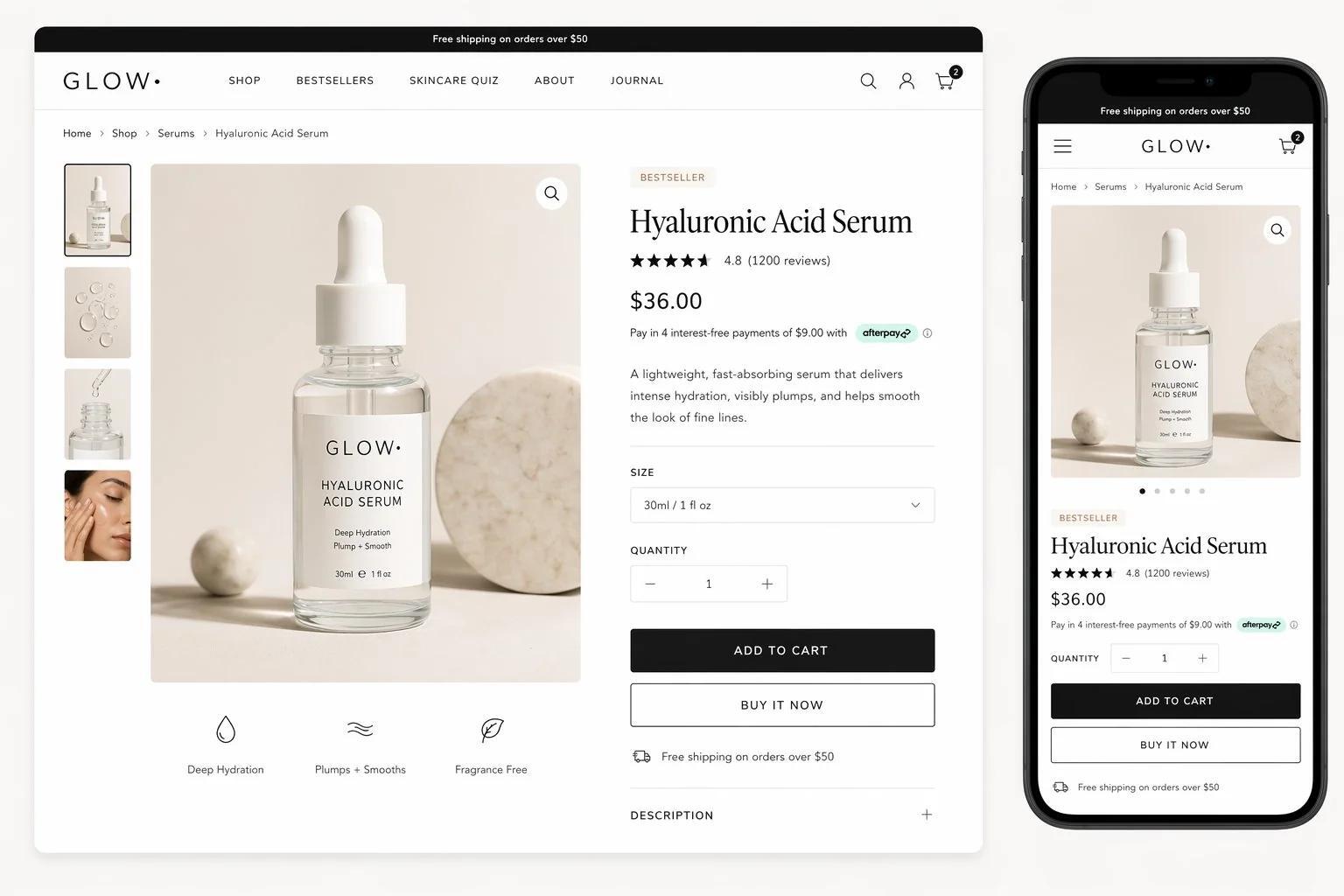
Depending on the product, useful information can include:
- Product specifications
- Dimensions and measurements
- Materials
- Features and benefits
- Available sizes or variations
- Compatibility information
- Care instructions
- Shipping information
- Warranty details
- Availability
Product descriptions should focus on both what the product is and why it matters to the customer. For technical or high-consideration products, structured specifications and comparison information can make the purchasing decision easier.
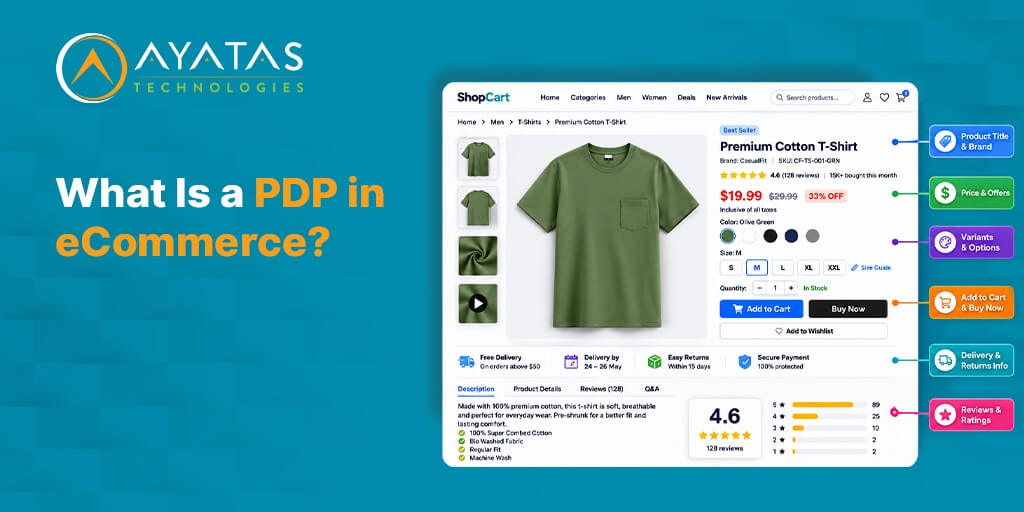
Your product detail page should answer the customer’s key questions before they need to contact the business. For a deeper look at how product detail pages work, see our guide to PDPs in eCommerce.
7. Customer Reviews and Ratings
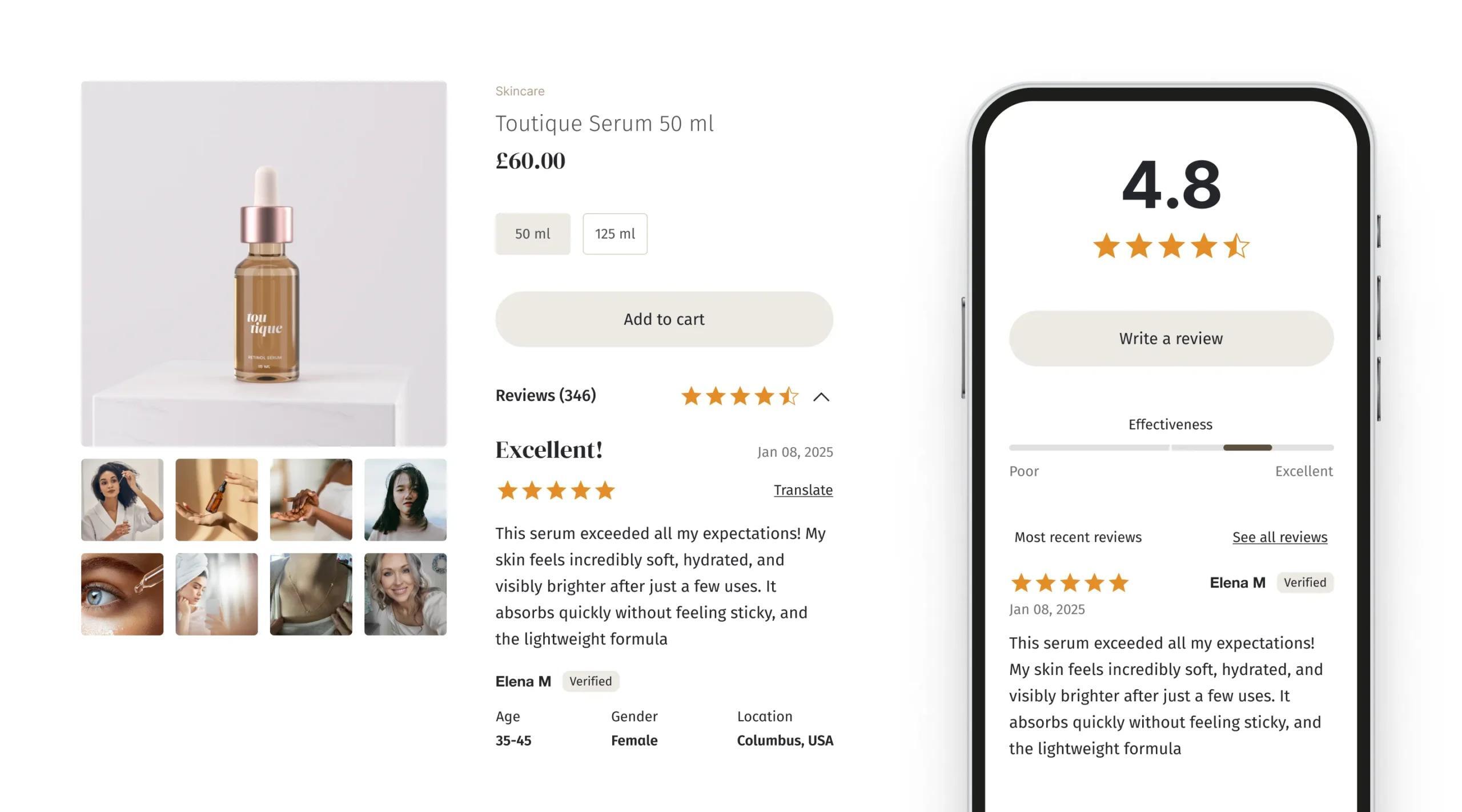
Reviews provide social proof and help customers understand how products perform in real-world situations.
A useful review system can include ratings, written reviews, customer photographs, verified-purchase indicators, review filtering, and product-specific questions and answers.
Businesses should make reviews easy to find rather than hiding them at the bottom of a long page.
Authentic customer feedback can also reveal common questions and objections that businesses can address in their product content.
8. Personalized Product Recommendations
Personalization can help customers discover relevant products without requiring them to search manually.
An ecommerce website can recommend products based on signals such as:
- Previous purchases
- Browsing behavior
- Products viewed
- Cart activity
- Product category
- Similar customer behavior
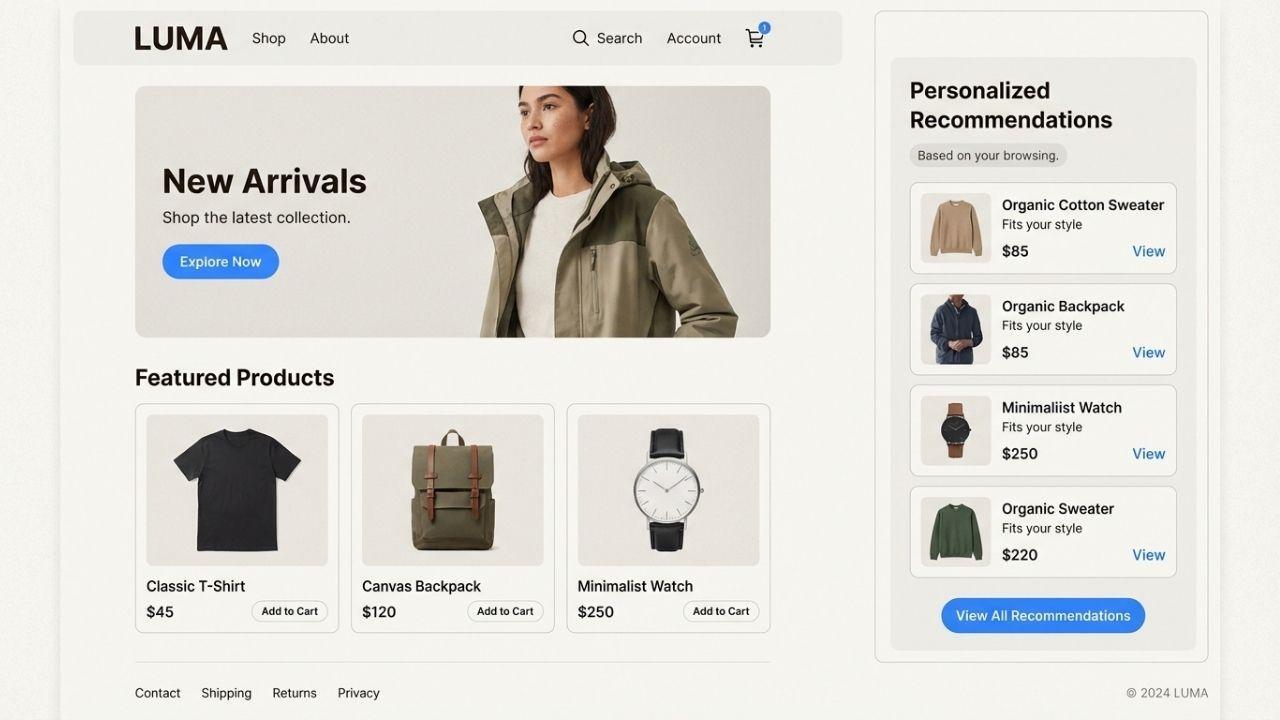
Recommendations can appear on product pages, category pages, the shopping cart, and after purchase. The most effective recommendations should feel useful rather than intrusive.
9. AI-Powered Product Search and Discovery
AI is becoming increasingly important in ecommerce discovery and personalization. For a deeper look at this topic, see our guide on building an AI-ready eCommerce store.
Instead of requiring customers to search for a precise product name, AI-assisted search can interpret natural-language queries such as:
“Show me lightweight running shoes under $100.”
or:
“I need a skincare product for dry skin.”
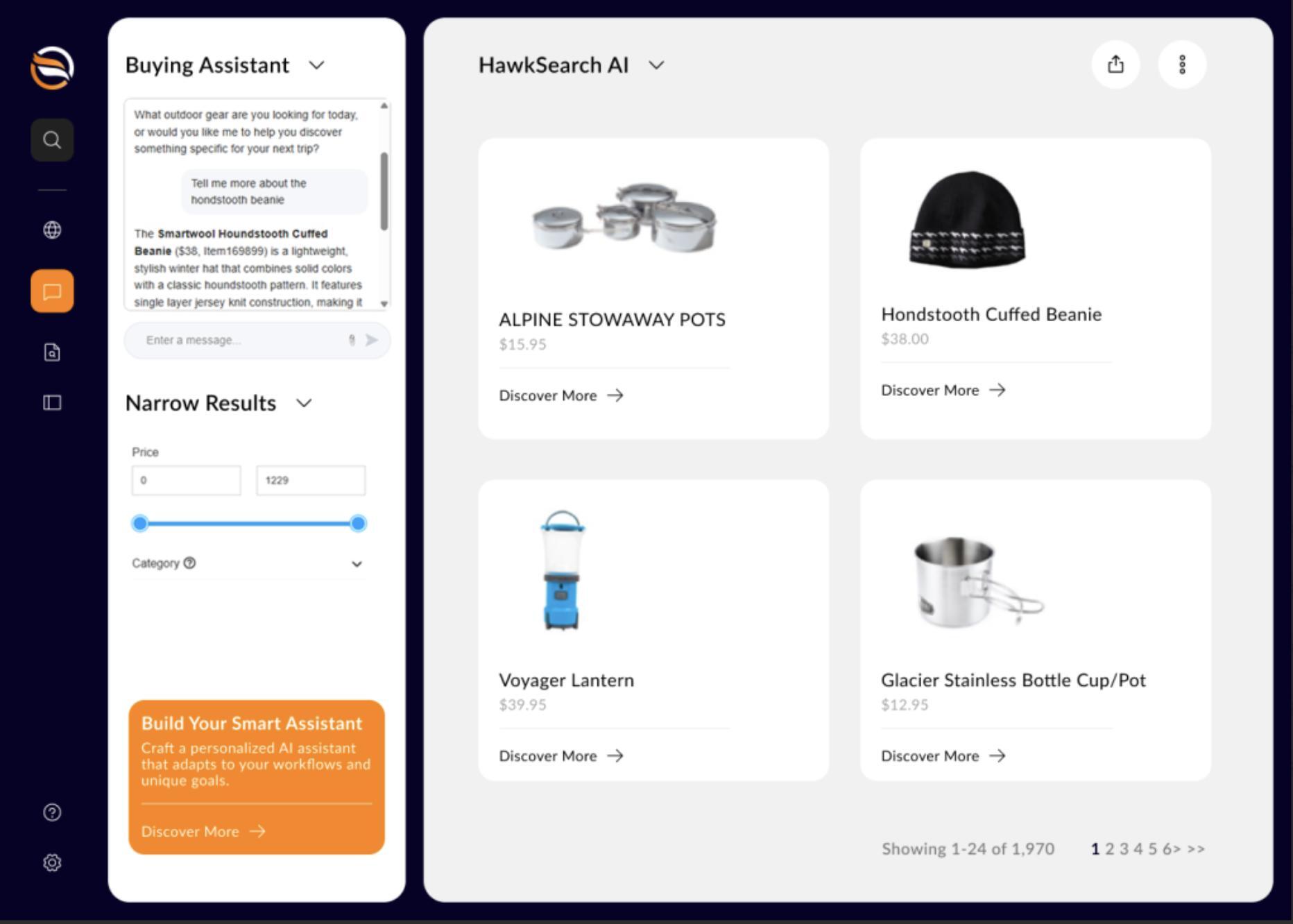
The technology can interpret the customer’s intent and return products based on relevant attributes. AI can also support product recommendations, conversational shopping assistants, personalized merchandising, and automated customer support.
Cart, Checkout, and Payment Features
Finding a product is only part of the shopping experience. The checkout process must make it easy for customers to complete their purchase.
10. Flexible Shopping Cart
A shopping cart should clearly display the products selected, quantities, prices, discounts, shipping information, and estimated totals.
Customers should be able to easily:
- Change quantities
- Remove products
- Save products for later
- Apply promotional codes
- Review shipping costs
- Continue shopping
The cart should also make important information visible before checkout so customers are not surprised by unexpected costs.
11. Streamlined Checkout
A complicated checkout process can create unnecessary friction. A streamlined checkout should minimize the amount of information customers need to enter and provide clear progress indicators where multiple steps are required.
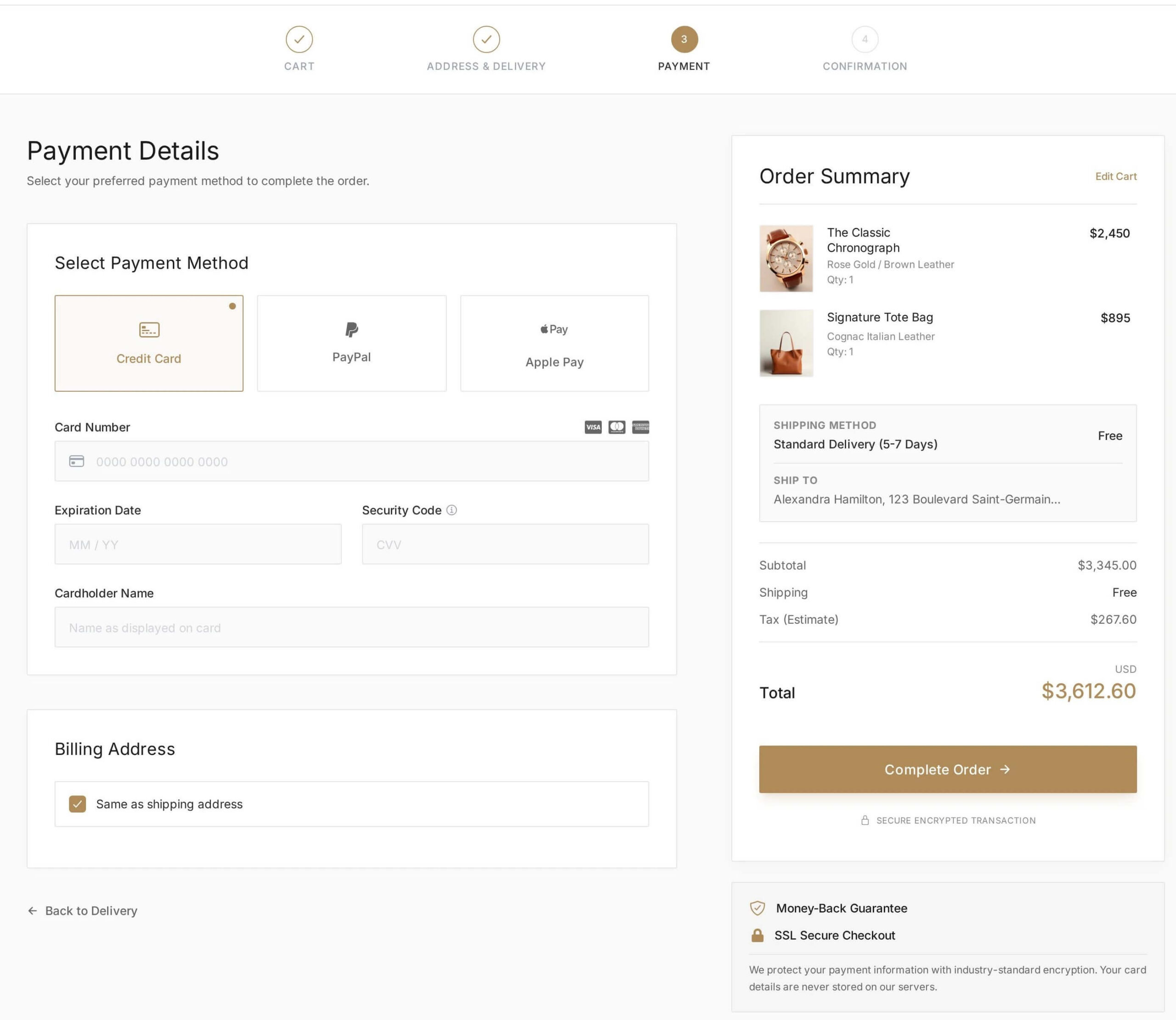
Depending on the business model, useful options may include guest checkout, address autofill, saved customer information, express checkout, and mobile-friendly payment forms. The customer should always understand what happens next.
12. Multiple Secure Payment Options
Different customers prefer different payment methods. Ecommerce businesses should consider payment options based on their target markets, product type, transaction value, and geographic reach.
Common options may include:
- Credit and debit cards
- Digital wallets
- Bank transfers
- Buy now, pay later services
- Local payment methods
- Mobile payments
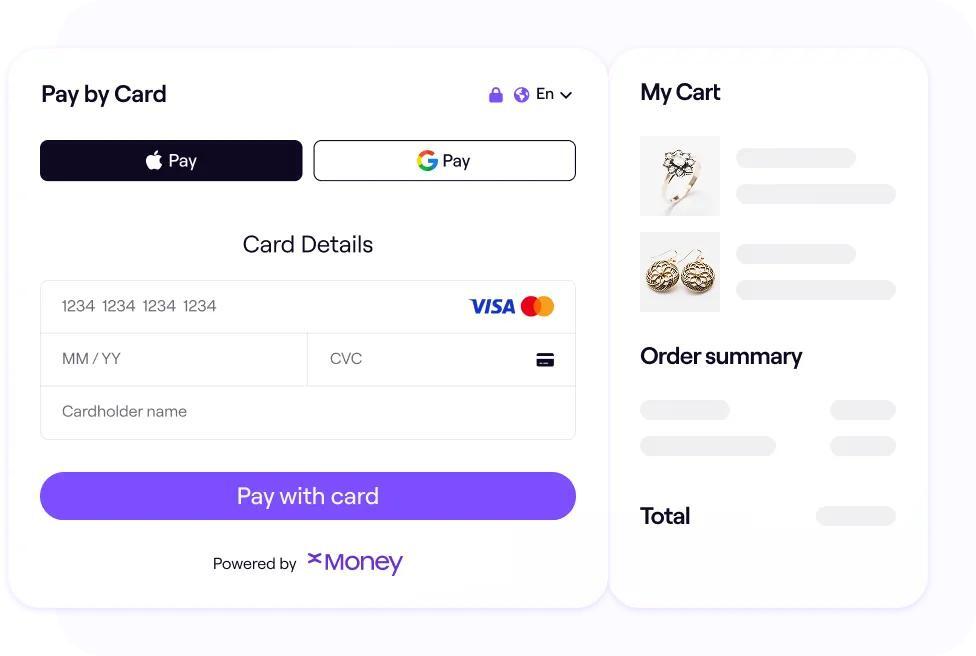
Payment pages should also clearly communicate security and provide appropriate confirmation after a transaction.
13. Wishlist and Save-for-Later
Not every visitor is ready to purchase immediately. A wishlist or save-for-later feature allows customers to bookmark products they are considering. This is particularly useful for higher-priced products, fashion, furniture, electronics, and products that customers compare over time.
Wishlists can also support future marketing activities such as price-drop notifications, restock alerts, and personalized recommendations.
14. Easy Returns and Refunds
A clear return policy can reduce uncertainty before purchase.
Customers should be able to understand easily:
- Whether an item can be returned
- The return timeframe
- Eligibility requirements
- Return shipping responsibilities
- Refund timelines
- How to initiate a return
For ecommerce businesses, return functionality can also be integrated with order management systems to make the process more efficient.
Trust, Security, and Customer Support
A user-friendly website must also make customers feel confident about purchasing.
15. Ecommerce Security
Customers expect businesses to protect their personal and payment information.
Security should be considered throughout the ecommerce architecture, including secure connections, appropriate authentication, payment security, access controls, software updates, and protection against common web vulnerabilities.
Businesses should also avoid collecting unnecessary customer information. Security is not only a technical requirement. It is part of the overall customer experience.
16. Order Tracking and Delivery Updates
After checkout, customers want visibility into their order. An ecommerce website can provide order tracking information directly through the customer account or a dedicated tracking page.
Useful information can include:
- Order confirmation
- Processing status
- Shipment status
- Tracking information
- Estimated delivery date
- Delivery confirmation
Integrating ecommerce platforms with shipping and logistics systems can automate much of this communication.
17. Live Chat and FAQs
Customers often need quick answers before or after purchasing.
Live chat, AI-powered chat assistants, knowledge bases, FAQs, and support forms can help address common questions without forcing customers to search through multiple pages.
FAQs should focus on genuine customer concerns such as shipping, returns, payments, product usage, sizing, availability, and warranties.
18. Accessibility-First Design
An ecommerce website should be usable by as many people as possible, including customers who use assistive technologies.
Accessibility considerations can include:
- Keyboard navigation
- Sufficient color contrast
- Descriptive alternative text
- Accessible forms
- Clear focus states
- Proper heading structures
- Descriptive link and button labels
- Captions for relevant video content
Accessibility should be incorporated into the design and development process rather than treated as an afterthought.
Performance, SEO, and AI Features
User experience, search visibility, and website performance are closely connected.
19. Fast Website Performance
Customers expect ecommerce websites to load quickly, particularly on mobile devices.
Performance optimization can involve:
- Image compression
- Modern image formats
- Browser caching
- Content delivery networks
- Code optimization
- Reduced JavaScript
- Efficient hosting
- Database optimization
- Lazy loading where appropriate
Businesses should monitor important performance metrics rather than relying only on a single speed score. For ecommerce stores, performance should be measured across important pages such as category pages, product detail pages, cart pages, and checkout flows.
20. SEO-Friendly Ecommerce Architecture
Search engine optimization should be considered when the ecommerce website architecture is planned.
A search-friendly ecommerce structure can include logical category hierarchies, descriptive URLs, optimized product content, internal linking, crawlable navigation, canonicalization, and appropriate handling of product variations.
Technical SEO also needs to account for duplicate content, faceted navigation, pagination, indexing, redirects, and discontinued products.
A well-structured ecommerce site makes it easier for both customers and search engines to understand the relationship between products, categories, and content.
21. Product Structured Data and AI Search Visibility
Structured data can help search engines understand important information about ecommerce products.
Depending on the website, structured product information can communicate details such as product name, price, availability, ratings, and reviews.
As customers increasingly use AI-powered search and answer engines to research products, ecommerce brands should also think beyond traditional search rankings.
Clear product information, authoritative content, consistent brand information, structured data, customer reviews, and strong technical foundations can support broader search and discovery visibility.
22. Social Commerce Integration
Social media is increasingly connected to ecommerce discovery.
Customers may encounter a product through an Instagram post, TikTok video, YouTube content, creator recommendation, or another social channel and then move directly toward purchase.
An ecommerce strategy can connect social content with product pages through:
- Shoppable content
- Product tagging
- Social storefronts
- Creator content
- User-generated content
- Social sharing
- Campaign landing pages
The objective is to reduce the gap between product discovery and purchase.
Personalization and Customer Retention Features
Acquiring a customer is only one part of ecommerce growth. Businesses also need to create reasons for customers to return.
23. Customer Accounts
Customer accounts can provide practical value when they make repeat shopping easier.
Useful account features include order history, saved addresses, saved payment methods where appropriate, wishlists, returns management, subscriptions, and personalized recommendations.
However, businesses should avoid forcing customers to create an account to complete a purchase when guest checkout is more appropriate.
24. Loyalty and Promotional Features
Loyalty programs can encourage repeat purchases by giving customers a reason to continue engaging with a brand.
Depending on the business, this might include:
- Reward points
- Member-only offers
- Referral programs
- Personalized discounts
- Early access
- Birthday or anniversary offers
- Subscription benefits
Promotions should be transparent and easy to understand. Complex discounts can create confusion rather than increasing conversions.
Analytics and Ecommerce Optimization
Building an ecommerce website is not the end of the process. Businesses need data to understand how customers interact with the store.
25. Conversion Tracking
Businesses should track important ecommerce events across the customer journey.
Examples include product views, searches, add-to-cart actions, checkout starts, purchases, refunds, and repeat purchases.
These events can help identify where customers are dropping out of the buying process.
26. Customer Behavior Analytics
Analytics can reveal patterns that are difficult to identify through assumptions alone.
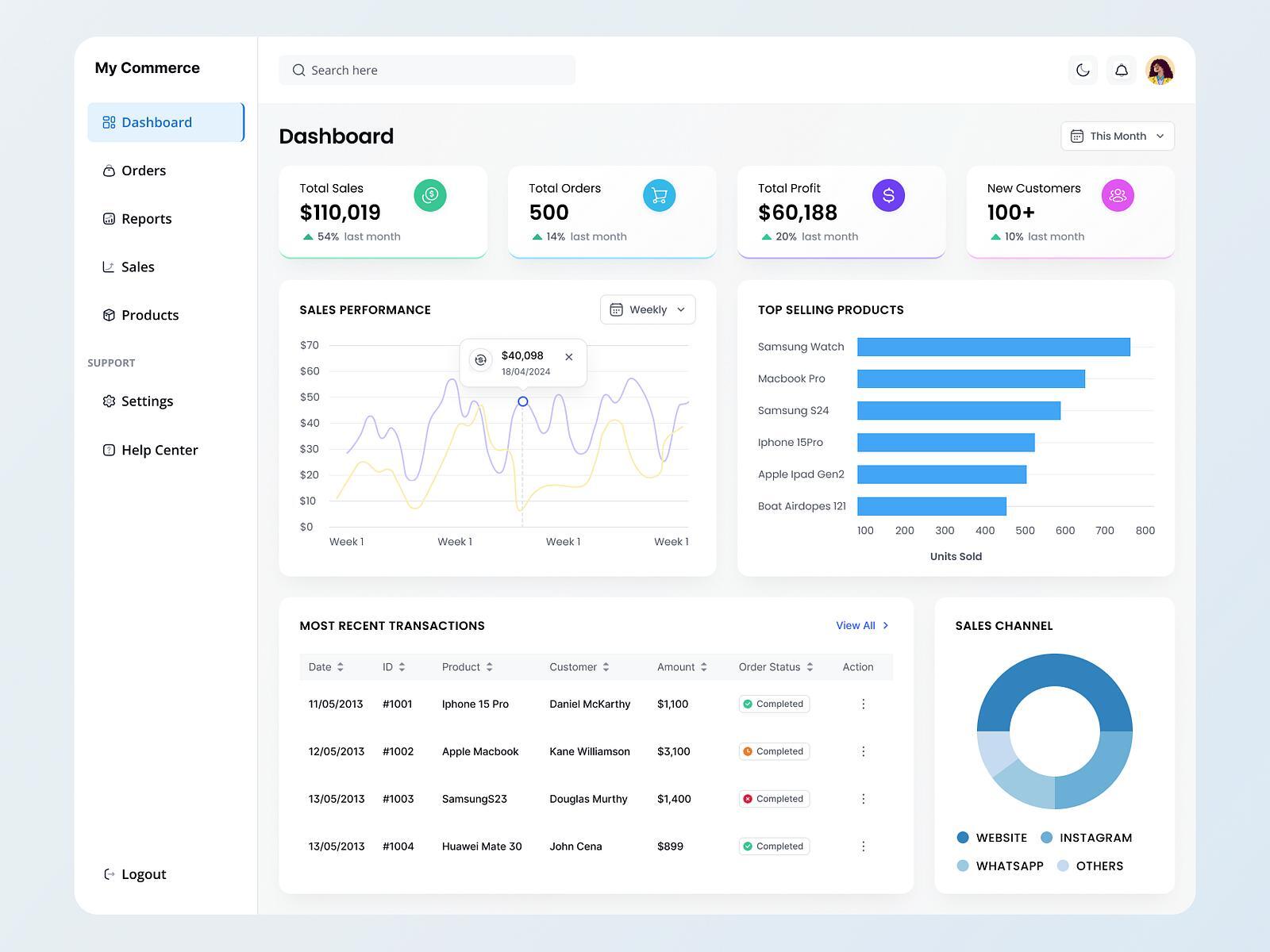
Businesses can analyze:
- Popular products
- Internal search terms
- High-exit pages
- Cart abandonment
- Conversion rates
- Traffic sources
- Device performance
- Returning customers
- Customer lifetime value
Heatmaps, session analysis, surveys, and other research methods can complement traditional analytics.
27. Measuring Ecommerce Performance
A useful ecommerce measurement framework should connect website activity with business outcomes.
Important metrics may include:
- Conversion rate
- Average order value
- Revenue per visitor
- Cart abandonment rate
- Customer acquisition cost
- Customer lifetime value
- Repeat purchase rate
- Return rate
The exact metrics should depend on the business model and growth objectives.
Scalability and Ecommerce Integrations
An ecommerce website needs to support the business not only today but as it grows.
28. Scalable Ecommerce Architecture
A scalable architecture allows businesses to expand product catalogs, traffic, functionality, markets, and integrations without rebuilding the entire platform.
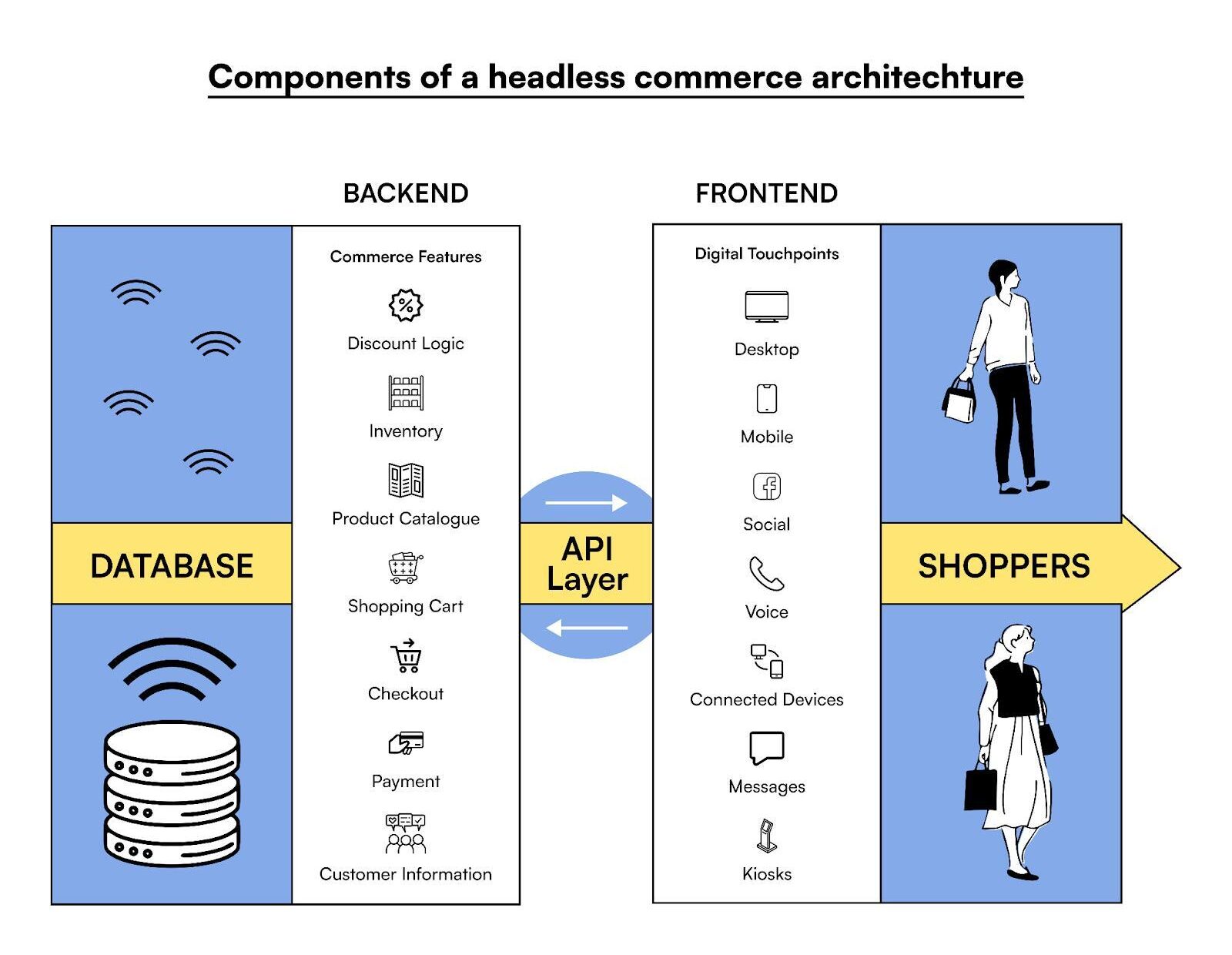
Businesses should consider scalability when selecting technologies, hosting infrastructure, databases, APIs, third-party services, and ecommerce platforms.
For growing businesses, architecture decisions made during the initial development stage can have a significant impact on future development costs.
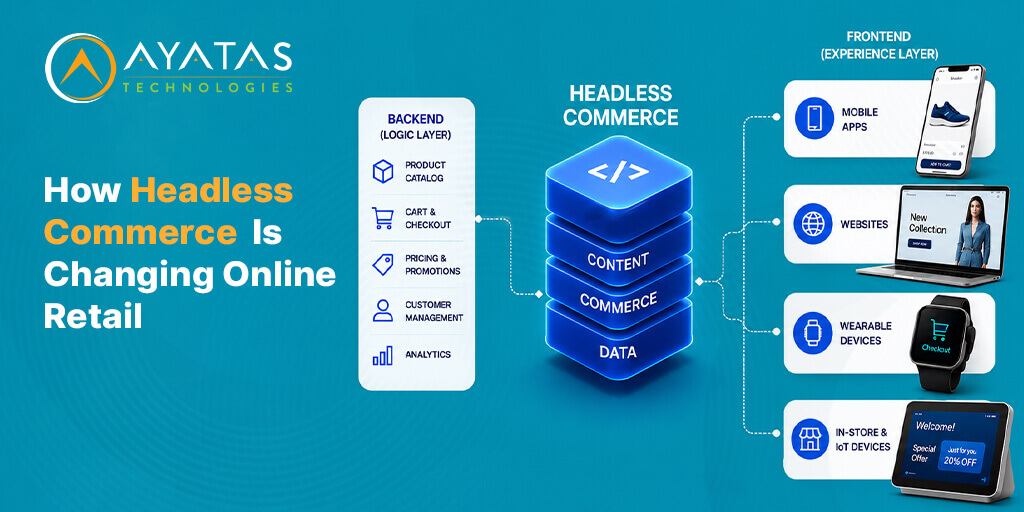
Businesses with more complex requirements may also consider headless commerce, which separates the customer-facing frontend from the underlying commerce infrastructure and can provide greater flexibility across digital channels. Learn more about how headless commerce is changing online retail.
29. CRM, ERP, and Business System Integrations
An ecommerce website rarely operates in isolation.
It may need to connect with systems such as:
- CRM platforms
- ERP systems
- Inventory management
- Accounting software
- Payment gateways
- Shipping platforms
- Marketing automation
- Customer support tools
- Analytics platforms
API-based integrations can help synchronize information and reduce repetitive manual processes.
30. Multilingual and Multi-Currency Ecommerce
Businesses serving international customers may need multilingual content and multiple currencies.
International ecommerce can require localized:
- Product information
- Pricing
- Currency
- Payment methods
- Shipping options
- Tax information
- Customer support
- Legal and policy content
Localization should be planned as part of the ecommerce architecture rather than added after the website has already been built.
31. Omnichannel Shopping Experiences
Customers may interact with a brand through multiple channels before making a purchase.
For example, a customer might discover a product through social media, research it through Google, visit the ecommerce website, purchase through mobile, and contact customer support afterward.
An omnichannel strategy aims to provide a consistent experience across these touchpoints.
The Future of User-Friendly Ecommerce Websites
Ecommerce is moving toward increasingly personalized, intelligent, and connected shopping experiences.
AI-powered discovery, conversational shopping, personalized recommendations, social commerce, visual search, automated support, and more sophisticated customer data platforms are likely to become increasingly important.
However, technology should support the customer journey rather than distract from it.
The fundamental principles remain consistent: customers want to find what they need, understand what they are buying, trust the business, pay securely, and receive their orders with minimal friction.
The best ecommerce strategies combine these fundamentals with technology that solves real customer and business problems.
Why Choose Ayatas Technologies for Ecommerce Website Development?
Building a user-friendly ecommerce website requires more than selecting an ecommerce platform and installing a theme. It requires thoughtful UX design, technical development, integrations, performance optimization, SEO, analytics, and ongoing improvement.
Ayatas Technologies helps businesses build and improve ecommerce experiences around their specific business requirements.
Our ecommerce capabilities can support:
- Custom ecommerce website development
- Shopify development
- WooCommerce development
- Magento development
- Custom ecommerce development
- Ecommerce API integrations
- Ecommerce SEO
- Performance optimization
- Custom web application development
- AI-powered ecommerce solutions
- Third-party business system integrations
The technology stack can be selected based on factors such as product complexity, catalog size, business model, integrations, scalability requirements, and long-term growth plans.
Conclusion
A user-friendly online shopping website is built around the customer journey.
From the moment a visitor lands on the website to the moment they receive their order, every interaction can influence their experience with the brand.
The most important features are not necessarily the ones that look the most impressive. They are the ones that make shopping easier.
A strong ecommerce website should provide:
- Easy navigation and product discovery
- Fast and responsive performance
- Detailed product information
- Helpful reviews and recommendations
- Simple cart and checkout experiences
- Secure and flexible payments
- Reliable customer support
- Clear order and return processes
- Strong SEO and technical foundations
- Analytics for continuous improvement
- Scalable technology and integrations
When these elements work together, an ecommerce website can become more than a storefront. It can become an important part of the business’s sales, marketing, customer service, and growth strategy.
Ready to Build a More User-Friendly Ecommerce Website?
Whether you are launching a new online store, redesigning an existing ecommerce website, migrating platforms, or adding advanced functionality, the right technology and UX strategy can make a significant difference.
Talk to Ayatas Technologies about building an ecommerce website designed around your customers and business goals.