Table of Contents
eCommerce in 2026 is no longer just about selling products online. It has evolved to deliver connected, personalized, and lightning-fast buying experiences across the web, mobile, social platforms, marketplaces, and even physical touchpoints. Customers now expect near-instant page loads, mobile-first interfaces that feel like apps, AI-driven recommendations, seamless omnichannel journeys, and secure, scalable, and reliable ecommerce website platforms.
At the center of all this lies your eCommerce platform. The platform you choose directly impacts your SEO rankings, conversion rates, scalability during traffic spikes, integration capabilities with CRM and ERP systems, and your long-term operational costs. In fact, many online stores fail not because of poor products or weak marketing, but because they are built on the wrong platform.
An eCommerce platform is far more than just software—it determines how fast your website loads, how well your pages rank on Google, how smooth your checkout experience feels, how easily you can scale or customize, and how much you spend over time. Many businesses make the mistake of choosing platforms based on trends or short-term costs, only to face limitations as they grow.
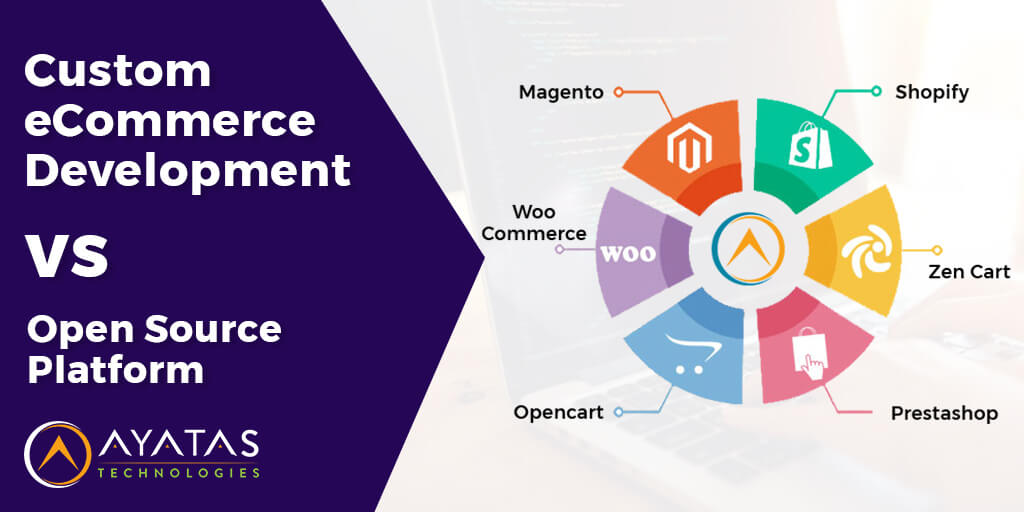
Based on real business impact rather than hype, the top three eCommerce platforms for 2026 are:
- Shopify – Best all-in-one eCommerce platform
- WooCommerce – Best open-source and SEO-focused platform
- Adobe Commerce (Magento) – Best enterprise eCommerce platform
How We Selected the Top eCommerce Website Platforms
The platforms were evaluated using key business-critical factors. These include SEO and performance readiness, where factors such as Core Web Vitals, mobile optimization, and URL structure play a major role. Scalability and growth potential were also considered, especially the ability to handle high traffic, large product catalogues, and global operations.
Customization and flexibility were equally important, particularly headless commerce capabilities, API-first architecture, and support for custom workflows. Finally, the total cost of ownership—including platform fees, development costs, and ecosystem expenses—was a decisive factor in ranking these platforms.
1. Shopify – Best All-in-One eCommerce Platform in 2026
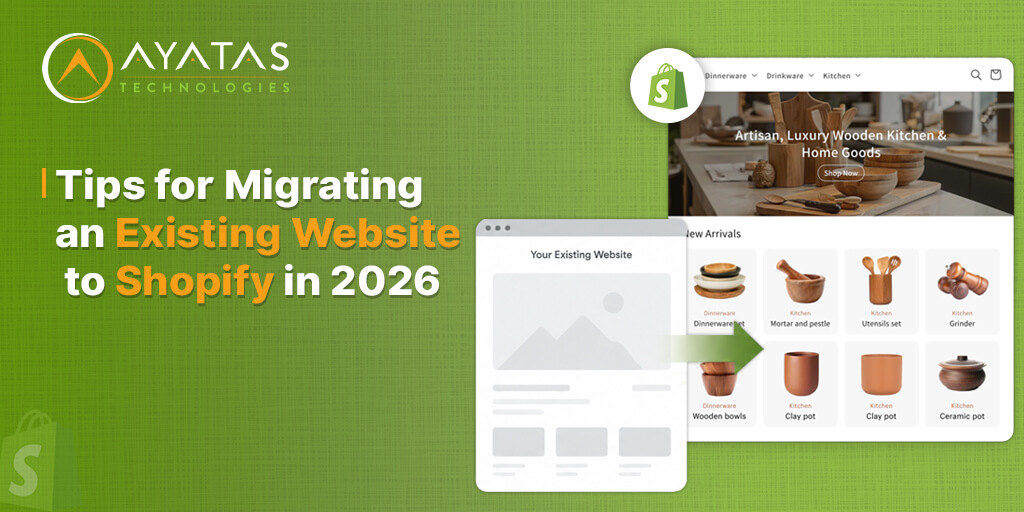
Shopify continues to dominate as the world’s leading hosted (SaaS) e-commerce platform, powering millions of stores, from startups to enterprise brands, using Shopify Plus. Its biggest strength lies in eliminating technical complexity while still offering powerful commerce capabilities.
Over the years, Shopify has evolved into a full commerce operating system that supports D2C brands, social commerce, subscription models, headless commerce, and global expansion. With ongoing investment in AI, checkout optimization, and performance, it consistently delivers among the highest conversion rates in the industry.
Shopify provides a robust set of features that streamline store management. Merchants can manage unlimited products and variants, organize them using smart collections, and handle inventory across multiple locations. Its checkout experience is particularly strong, with Shopify Payments, one-click Shop Pay, automatic abandoned cart recovery, and support for multiple payment gateways.
For global businesses, Shopify enables multi-currency pricing, multi-language storefronts, and localized tax and shipping rules. Its SEO capabilities are built into the platform, including fast CDN hosting, mobile-first themes, clean URLs, automatic sitemaps, and integrated blogging.
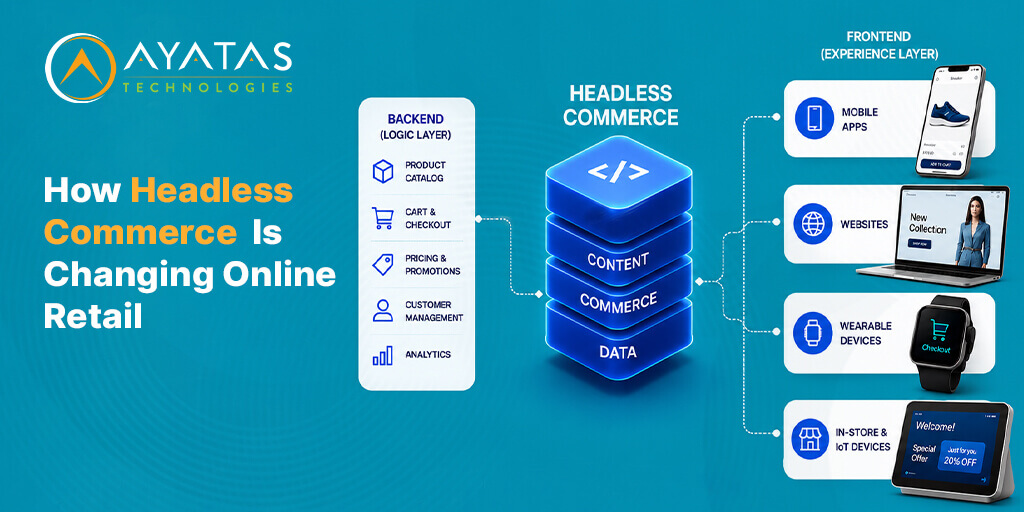
In 2026, Shopify also stands out as a strong headless commerce platform, offering tools such as the Storefront API, the Hydrogen framework, and seamless integration with modern front-end technologies like React and Next.js. This allows businesses to build highly customized and ultra-fast storefronts without compromising backend reliability.
Advantages of Shopify:
- Fastest go-to-market
- Minimal technical maintenance
- Best-in-class checkout experience
- Large app ecosystem
- Ideal for D2C and subscription brands
Limitations of Shopify:
- Monthly subscription costs
- Transaction fees (outside Shopify Payments)
- Limited backend customization compared to open-source platforms
Best Use Cases:
- Startups and small businesses
- D2C and lifestyle brands
- Subscription-based businesses
- Brands focused on speed, UX, and conversions
2. WooCommerce – Best Open-Source & SEO-Focused Platform
WooCommerce is an open-source eCommerce solution built on WordPress, the world’s most widely used CMS. In 2026, it remains the top choice for businesses that rely heavily on SEO, content marketing, and deep customization.
Its biggest strengths come from WordPress’s dominance in content and SEO, combined with complete freedom and ownership. Unlike SaaS platforms, WooCommerce gives businesses full control over their website, data, and codebase.
WooCommerce supports a wide range of product types, including physical and digital products, variable products, subscriptions, memberships, bookings, and services. It also offers flexible pricing and promotion capabilities, allowing businesses to create discount rules, coupons, bundles, and custom pricing logic tailored to their needs.
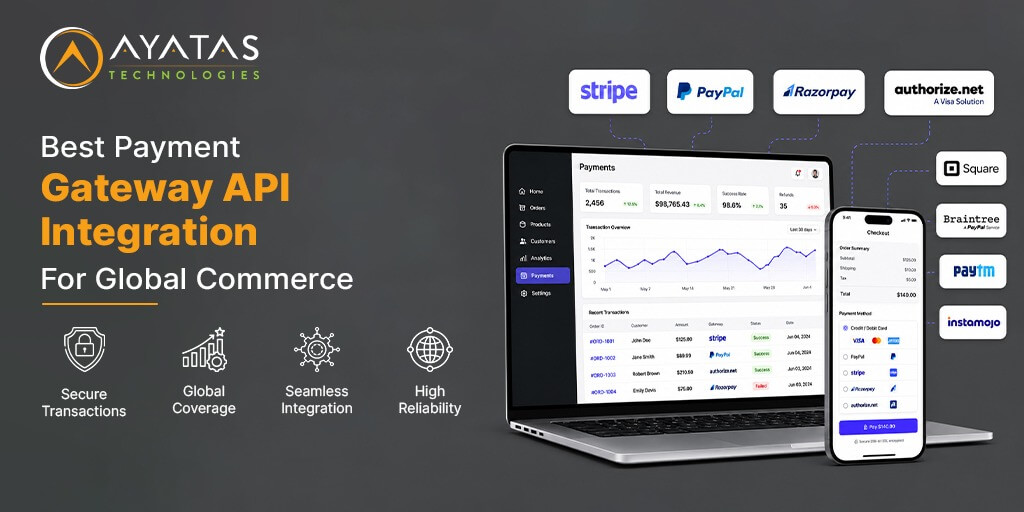
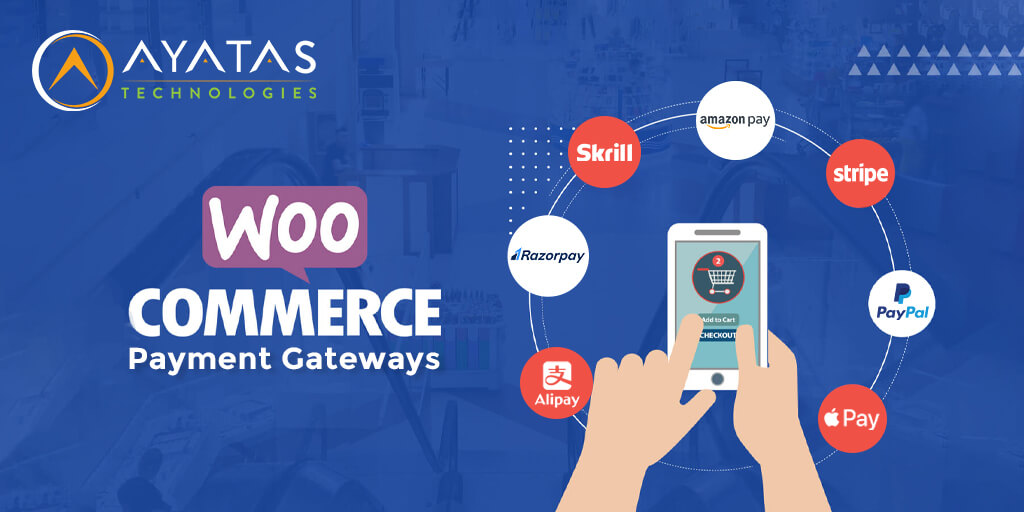
In terms of payments and shipping, WooCommerce integrates with major gateways such as Stripe, PayPal, and Razorpay, and supports advanced shipping rules and tax automation via plugins.
One of WooCommerce’s biggest advantages is its SEO superiority. It provides complete control over URLs and metadata, supports advanced schema markup, enables strong content marketing through blogging, and integrates seamlessly with top SEO plugins. This makes it ideal for businesses focused on organic growth.
Being open-source, WooCommerce allows extensive customization, including custom themes, plugins, checkout flows, and integrations with ERP, CRM, and LMS systems. It also supports headless commerce via REST and GraphQL APIs, making it suitable for complex, non-standard business models.
Advantages of WooCommerce:
- Full ownership of data and code
- Industry-leading SEO control
- Highly customizable
- Lower long-term costs
- Strong developer ecosystem
Limitations of WooCommerce:
- Requires hosting and maintenance
- Performance depends on optimization
- Needs experienced developers for scaling
Best Use Cases:
- SEO-driven e-commerce businesses
- Content-heavy brands
- Service + product businesses
- Companies needing custom workflows
3. Adobe Commerce (Magento) – Best Enterprise eCommerce Platform
Adobe Commerce, formerly known as Magento, is a powerful, enterprise-grade platform designed for large-scale, complex eCommerce operations. In 2026, it remains widely used by global enterprises, B2B companies, and multi-brand retailers.
It excels in scenarios where other platforms struggle, such as managing massive product catalogues, supporting multi-store operations, handling advanced B2B workflows, and integrating deeply with enterprise systems.
Adobe Commerce offers advanced catalogue management capabilities, allowing businesses to manage millions of SKUs, complex product relationships, and sophisticated pricing rules. Its B2B features include company accounts, custom pricing, quote management, and purchase approvals.
From a performance standpoint, it is built on cloud-native infrastructure. It supports headless and composable architectures, making it highly scalable and capable of handling large traffic volumes.
Another major advantage is its integration with the Adobe ecosystem, including Adobe Experience Manager, Adobe Analytics, and Adobe Target. This enables powerful personalization, advanced analytics, and unified digital experiences.
Advantages of Adobe Commerce:
- Extreme customization capabilities
- Enterprise-level scalability
- Best-in-class B2B features
- Open and extensible architecture
Limitations of Adobe Commerce:
- High development and maintenance costs
- Requires specialized developers
- Longer implementation timelines
Best Use Cases:
- Large enterprises
- Global multi-brand businesses
- B2B and wholesale companies
- Complex operational environments
Comparison: Top eCommerce Platforms (2026)
Which eCommerce Platform Should You Choose in 2026? Your choice ultimately depends on your business model and growth strategy.
Choose Shopify if:
- You want a fast launch and easy management
- You prioritize user experience and conversions
- You run a D2C or subscription-based brand
Choose WooCommerce if:
- SEO and content marketing drive your growth
- You want full control and ownership
- You need custom business logic
Choose Adobe Commerce if:
- You operate at enterprise scale
- You need advanced B2B workflows
- You manage multiple brands or regions
| Platform | Best For | SEO Control | Cost | Scalability |
|---|---|---|---|---|
| Shopify | D2C & SMB | Medium | $$ | High |
| WooCommerce | SEO & Customization | Very High | $ | Medium–High |
| Adobe Commerce | Enterprise & B2B | High | $$$$ | Very High |
Conclusion
Selecting the right eCommerce website platform in 2026 is a strategic decision that directly impacts your growth. Shopify enables speed and efficiency for modern brands, WooCommerce offers unmatched flexibility and SEO advantages, and Adobe Commerce delivers the power required for enterprise-scale operations.
However, the platform alone does not determine success. Many eCommerce projects fail due to poor architecture, lack of scalability planning, weak SEO foundations, or improper implementation. This is why working with an experienced technology partner is critical—not just to build your store, but to ensure it performs, scales, and grows effectively over time.